



A journey through African craftsmanship, Tanzanian gemstones, fine art and cultural traditions at one of Arusha’s established cultural destinations
Cultural Heritage Centre: Discover African Art and Culture in Arusha
By AfricaTourLink
“Planning a safari in northern Tanzania? Before heading to the Serengeti, exploring the Ngorongoro Crater or setting off towards Mount Kilimanjaro, take time to discover another side of the country in Arusha. Beyond its role as a gateway to some of Africa’s best-known wildlife destinations, the city offers opportunities to experience Tanzania’s artistic traditions, cultural heritage and creative craftsmanship”.
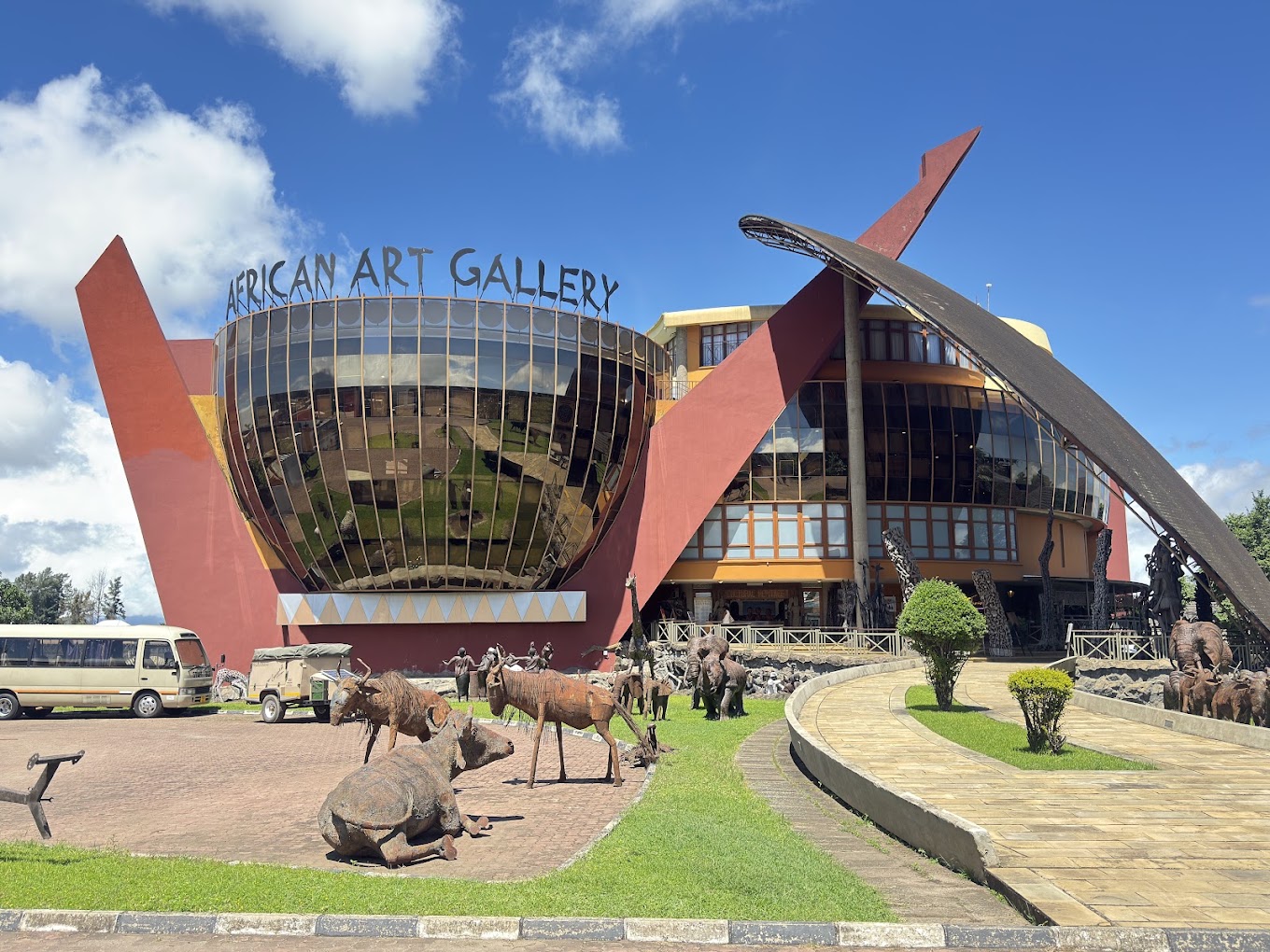
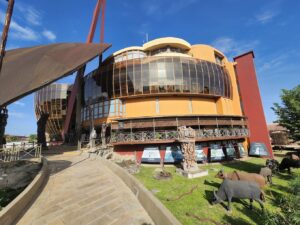
One place to begin is the Cultural Heritage Centre on Dodoma Road. Founded in 1993, this distinctive destination brings together African art, traditional crafts, gemstone jewellery, museums and cultural experiences. Visitors can browse colourful beadwork and handwoven baskets, admire paintings and sculptures, discover Tanzanite jewellery and explore cultural exhibitions.
Whether you have a few hours between safari arrangements or want to add a cultural excursion to your Tanzania itinerary, the centre offers a different perspective on the country. It is an opportunity to look beyond the wildlife and landscapes and discover the artistic traditions, materials and creative skills that contribute to Africa’s cultural identity.
An introduction to African art and craftsmanship
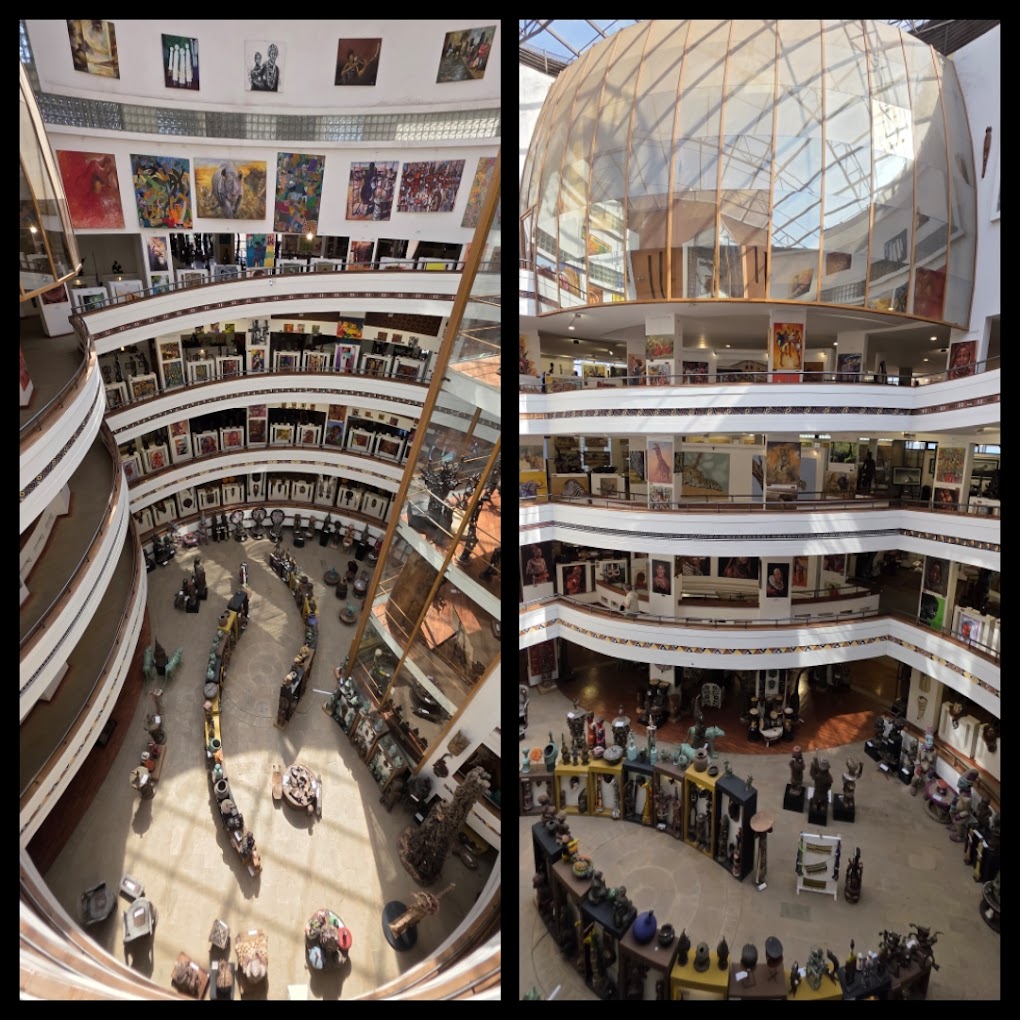
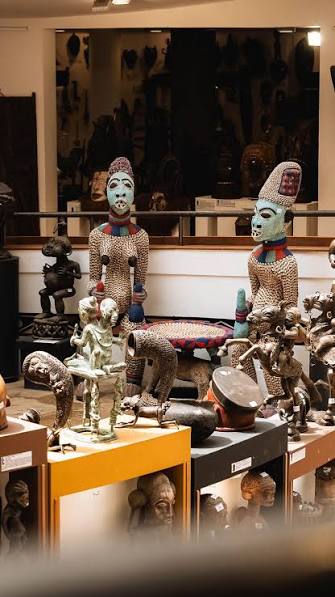
The Cultural Heritage Centre brings together different expressions of African creativity under one roof. Its collections and displays include paintings, sculptures, carvings, textiles, beadwork, baskets and other handcrafted objects.
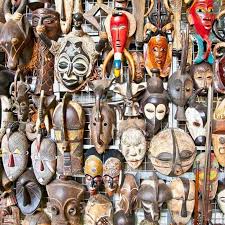
The centre’s market showcases a variety of African crafts and decorative objects. Visitors can browse handmade items reflecting different artistic styles, materials and traditions from Tanzania and elsewhere on the continent.
Wood carvings, colourful beadwork, woven baskets and textiles provide an introduction to the skills of African artisans. For travellers looking for meaningful souvenirs, the market also offers an opportunity to discover objects connected to local craftsmanship. Rather than focusing exclusively on shopping, visitors can use the displays to learn more about the techniques and creative traditions behind the items.
Discover paintings, sculptures and collectable art
The art gallery offers another perspective on African creativity. Paintings, sculptures, antiques, furniture and selected collectable objects form part of the centre’s wider artistic offering.
Art enthusiasts can explore different forms of expression, from contemporary works to objects that reflect historical and cultural influences. The collections also provide an opportunity to appreciate the diversity of artistic traditions found across Africa.
Tanzanite and Tanzania’s gemstone heritage
Tanzania is internationally associated with Tanzanite, a rare gemstone discovered in the Merelani Hills near Mount Kilimanjaro in 1967. Its distinctive blue-to-violet colours have made it a notable part of the country’s jewellery and gemstone industry.
The Cultural Heritage Centre features a dedicated jewellery section showcasing Tanzanite and other gemstones, including sapphires and rubies. Visitors can explore finished jewellery and learn about the relationship between gemstones, design and craftsmanship.
The centre describes its Tanzanite offering as ethically sourced from the Merelani mining area. Visitors considering a purchase should ask about the origin, documentation and certification of individual stones, as well as relevant information about their quality and value.
For travellers interested in jewellery, the collection provides an opportunity to discover one of Tanzania’s best-known natural treasures in a setting that combines art and design.
Cultural experiences beyond the gallery
The Cultural Heritage Centre also offers activities intended to make African culture more accessible through direct participation and guided exploration. Guided tours introduce visitors to the centre’s gallery, market, jewellery collections and wider cultural spaces. These visits can help travellers understand the different elements of the centre and the stories behind selected objects.
Workshops provide a more hands-on experience. Depending on the programme available, visitors may have opportunities to participate in Maasai beadwork, basket weaving and painting activities led by skilled makers and artists.
These experiences offer a practical introduction to traditional techniques and the knowledge involved in producing handmade objects. Visitors should confirm workshop availability and arrangements before planning their visit.
Museums dedicated to culture and conservation
The centre’s cultural offering also includes the Jane Goodall Museum and the African Ceremonies Museum.
The Jane Goodall Museum is associated with the legacy of renowned primatologist and conservationist Jane Goodall. Its presence connects the wider visitor experience with themes of nature, education and conservation.
The African Ceremonies Museum adds another dimension by focusing on cultural traditions and ceremonial practices. Together, these spaces broaden the experience beyond the display and sale of art, offering opportunities for cultural and educational discovery.
Why include the Cultural Heritage Centre in your Tanzania itinerary?
Arusha is an important starting point for journeys to destinations such as Serengeti National Park, Ngorongoro Conservation Area and Tarangire National Park. Many visitors spend time in the city while organising safari arrangements or preparing for onward travel.
The Cultural Heritage Centre offers an alternative activity for travellers who want to explore local art and culture during their stay. It can complement a wildlife-focused itinerary by introducing visitors to the artistic traditions and creative industries of Tanzania.
The centre brings several interests together in one location, making it suitable for art enthusiasts, jewellery lovers, cultural travellers and visitors looking for handcrafted souvenirs. For those with limited time in Arusha, a visit can provide a broader perspective on Tanzania, where cultural heritage and artistic expression form an important part of the travel experience.
A cultural landmark with more than three decades of history
Since opening in 1993, the Cultural Heritage Centre has expanded its offering to include art, crafts, gemstones, museums and visitor experiences. Its development reflects an ambition to preserve and share African artistic traditions while making them accessible to an international audience.
Today, the centre presents itself as a destination welcoming visitors from around the world, with more than 50,000 annual visitors reported in its published information. Its combination of galleries, a craft market, jewellery collections and cultural programmes makes it a distinctive stop for travellers exploring Arusha and northern Tanzania.
Whether you are preparing for a safari, returning from the national parks or spending a few days in Arusha, the Cultural Heritage Centre offers an opportunity to discover a different side of Tanzania. Here, African art, craftsmanship, gemstones and cultural traditions come together to create a rewarding addition to a journey through East Africa.