


Africa Tour Link brings the market together – without selli
For many people, safari in Africa is the very dream of great nature experiences, wild animals, and landscapes never to be forgotten, and here you can read about the 10 most popular countries.
For many travelers, safari is the ultimate African dream. It is the promise of sunrise over open plains, elephants walking through dust, lions resting in golden grass, and landscapes that stay in memory for life. Africa offers extraordinary diversity, and each safari destination has its own character, wildlife, scenery, and style of travel.
Some countries attract more visitors than others because they combine famous national parks, reliable infrastructure, rich wildlife populations, and memorable overall travel experiences. Here are ten of the most popular safari countries in Africa – and why they continue to draw travelers from around the world.
Tanzania remains one of Africa’s great safari icons
Tanzania is often considered one of the finest safari destinations anywhere in the world. The country is home to some of the most famous wildlife areas on the planet, led by the Serengeti, where the Great Migration unfolds across vast plains. Millions of wildebeest and zebra move in search of fresh grazing, followed by predators such as lions, hyenas, and crocodiles.
Another major attraction is the Ngorongoro Crater, a unique volcanic caldera with dense wildlife populations. Many travelers appreciate the chance to see elephants, buffalo, lions, hippos, and rhino in one dramatic natural setting.
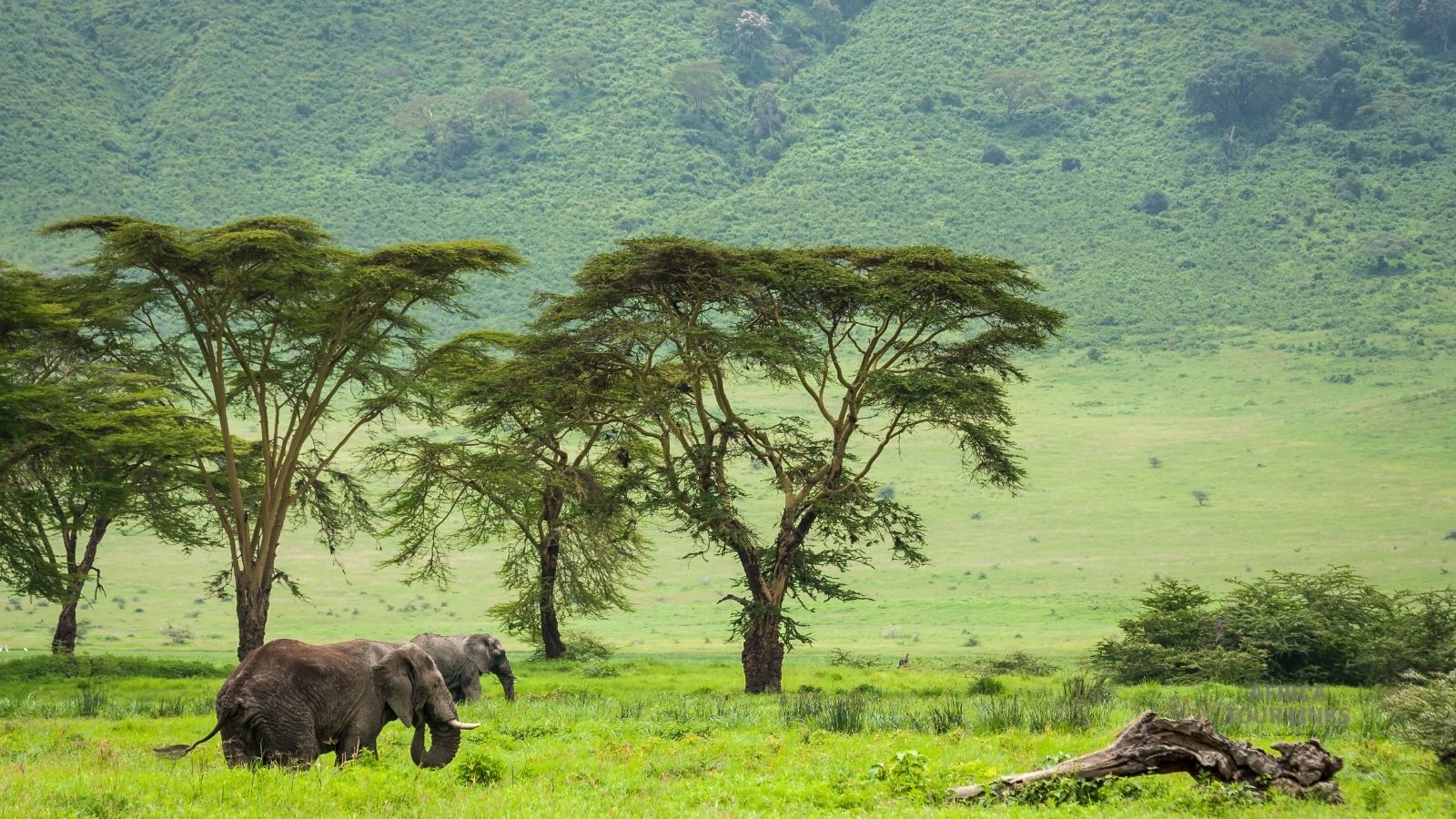
Tanzania is also popular because it offers variety. Northern circuit safaris are world-famous, while southern parks such as Ruaha and Nyerere provide wilder and less crowded experiences. The ability to end a safari on Zanzibar’s beaches makes Tanzania especially attractive for honeymooners and families.
Kenya is the classic safari name
Kenya has played a central role in the history of African safari and remains one of the most recognized destinations in the world. For generations, images of wide savannahs, acacia trees, and Maasai culture have helped define the safari dream.
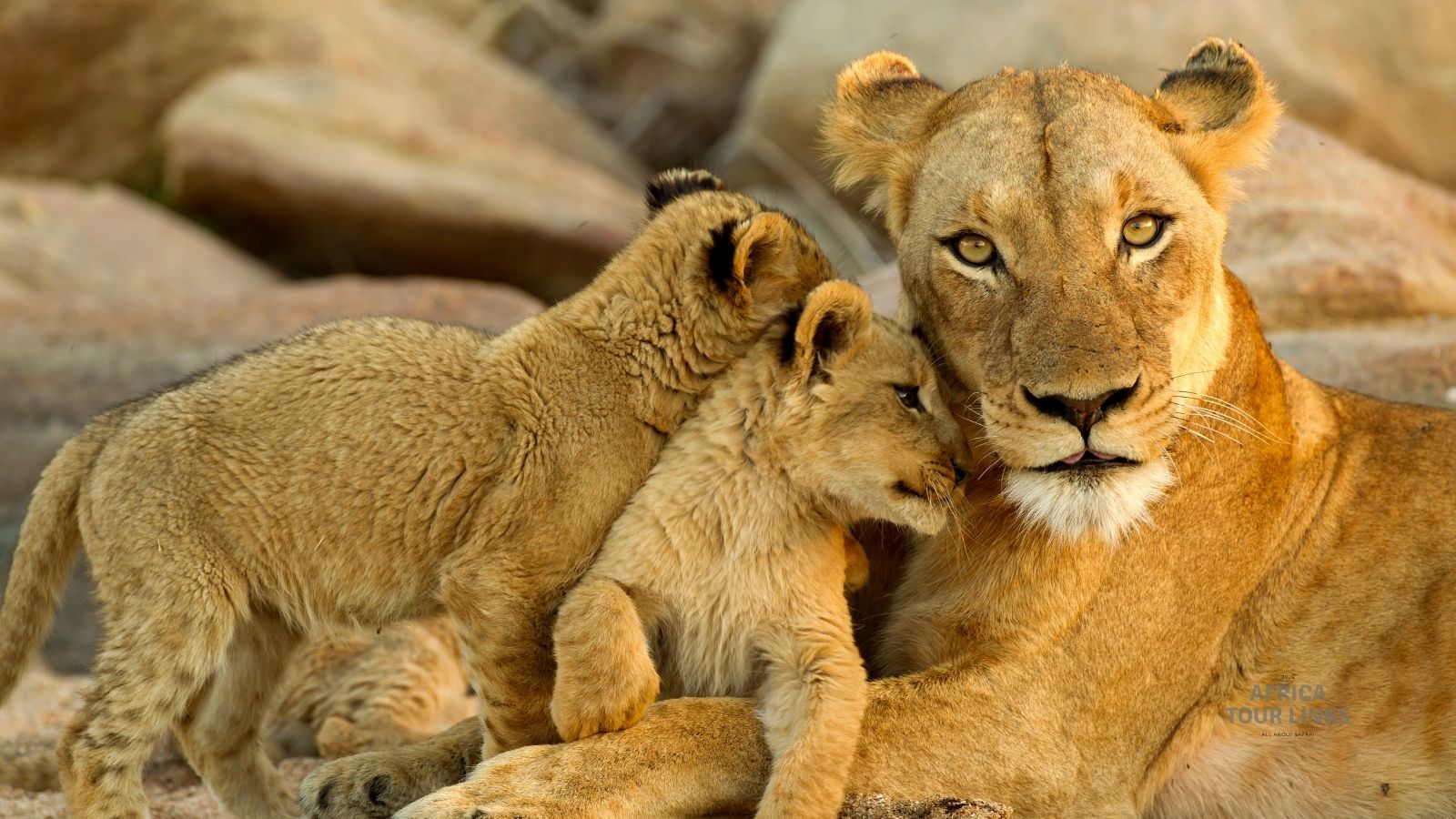
The Maasai Mara is Kenya’s best-known reserve and one of Africa’s top wildlife areas. It is famous for strong lion populations, cheetahs, leopards, elephants, and the annual migration shared with Tanzania’s Serengeti ecosystem. Game viewing can be spectacular throughout the year.
 Kenya is also popular because of accessibility. Nairobi serves as a major gateway, internal flights are efficient, and the country offers everything from budget camps to ultra-luxury lodges. Travelers can also combine safari with the Indian Ocean coast, making Kenya a complete holiday destination.
South Africa is ideal for first-time safari travelers
South Africa is among the easiest and most versatile safari destinations in Africa. It is especially popular with travelers who want comfort, excellent roads, strong service standards, and the option to combine safari with city life and coastal travel.
Kruger National Park is the country’s safari flagship. It offers outstanding wildlife viewing, including the Big Five, and a wide range of accommodation options. Adjacent private reserves add luxury lodges, guided drives, and premium experiences.
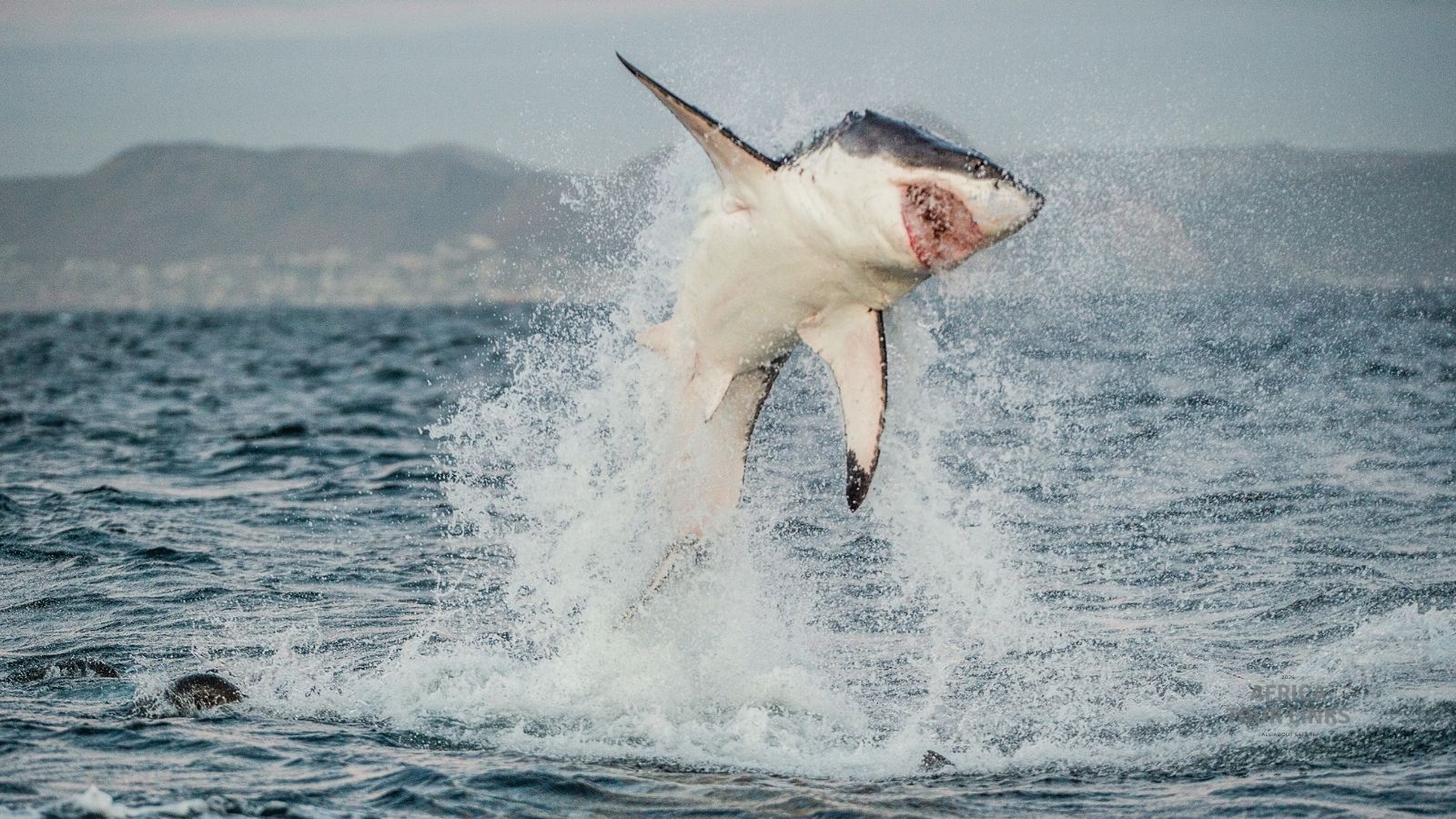
One of South Africa’s biggest advantages is variety beyond safari. Cape Town, the Winelands, the Garden Route, beaches, whale watching, and fine dining make the country highly attractive for couples and multi-interest travelers. It is possible to enjoy wildlife, nature, gastronomy, and urban experiences in one journey.
Botswana is famous for exclusivity and wilderness
Botswana has built an international reputation as one of Africa’s most exclusive safari destinations. Rather than focusing on mass tourism, the country has emphasized conservation, lower visitor numbers, and high-value travel experiences.
The Okavango Delta is Botswana’s crown jewel. This inland delta creates a seasonal paradise of channels, islands, floodplains, and rich wildlife. Mokoro canoe trips, silent water safaris, and close encounters with elephants create a unique atmosphere unlike anywhere else in Africa.
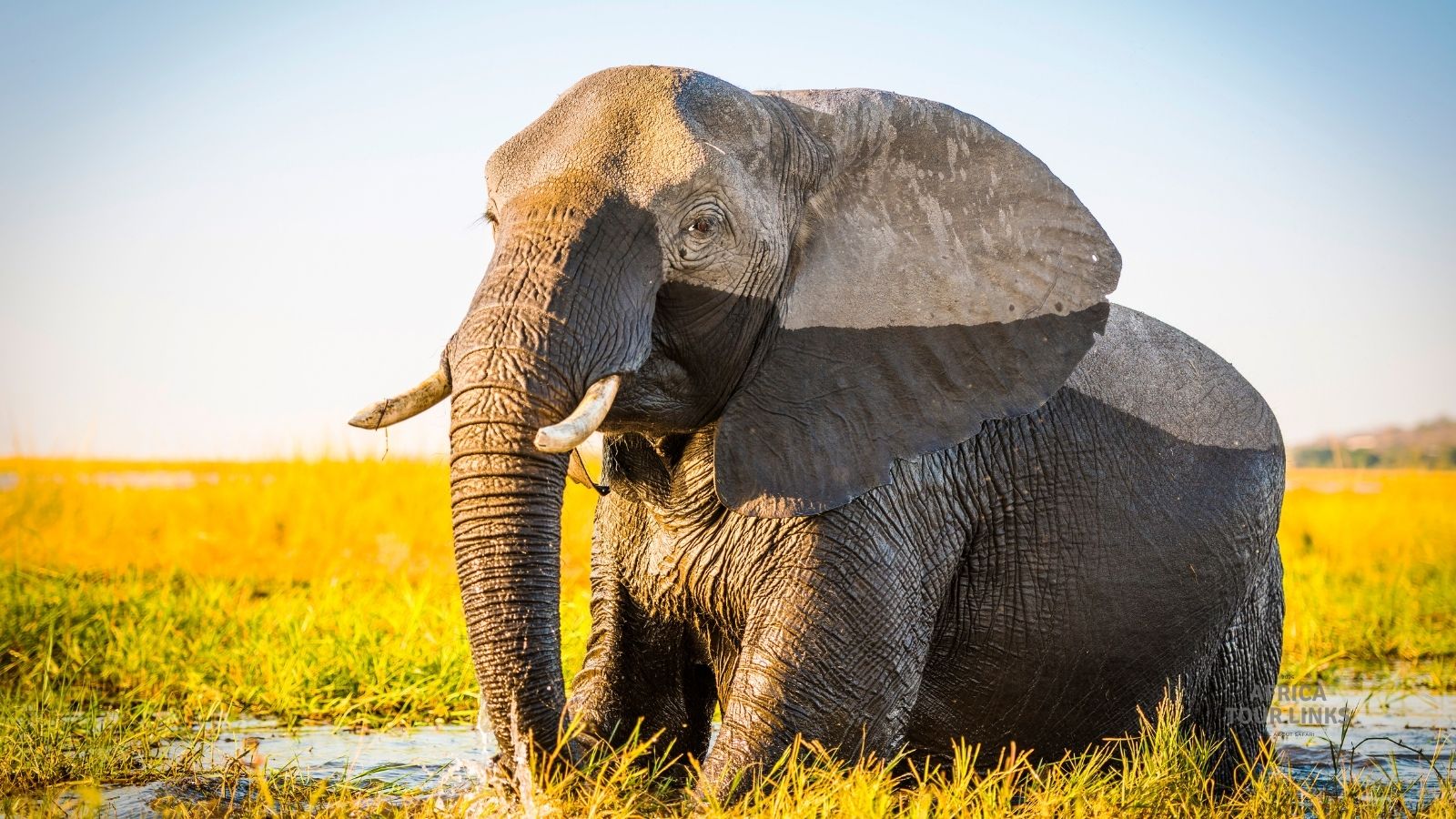 Chobe National Park is another major draw, particularly for its enormous elephant populations. Botswana is especially popular with experienced safari travelers who seek privacy, guiding quality, and a sense of untouched wilderness. It is often seen as a premium safari choice.
Namibia giver plads og frihed
Namibia skiller sig ud med enorme landskaber, ørken, røde klitter og åbne vidder. Etosha National Park er kendt for vandhuller, hvor dyrene samles. Landet er især populært blandt selvkørere, der ønsker frihed og store naturoplevelser.
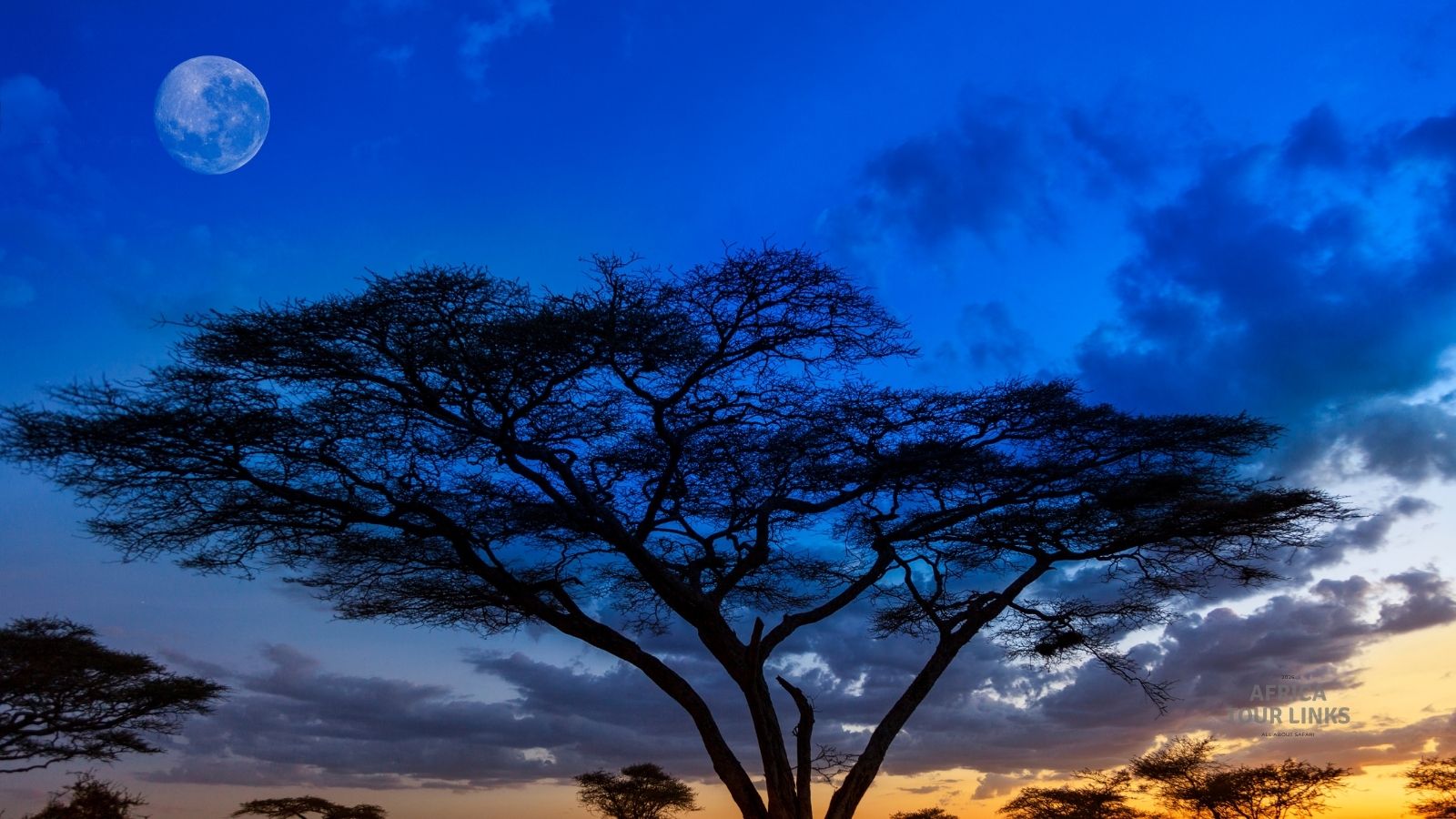
Namibia offers landscapes as much as wildlife
Namibia is different from many safari countries because landscapes are as important as animals. Travelers are drawn by open space, desert beauty, dramatic skies, and a feeling of freedom rarely found elsewhere.
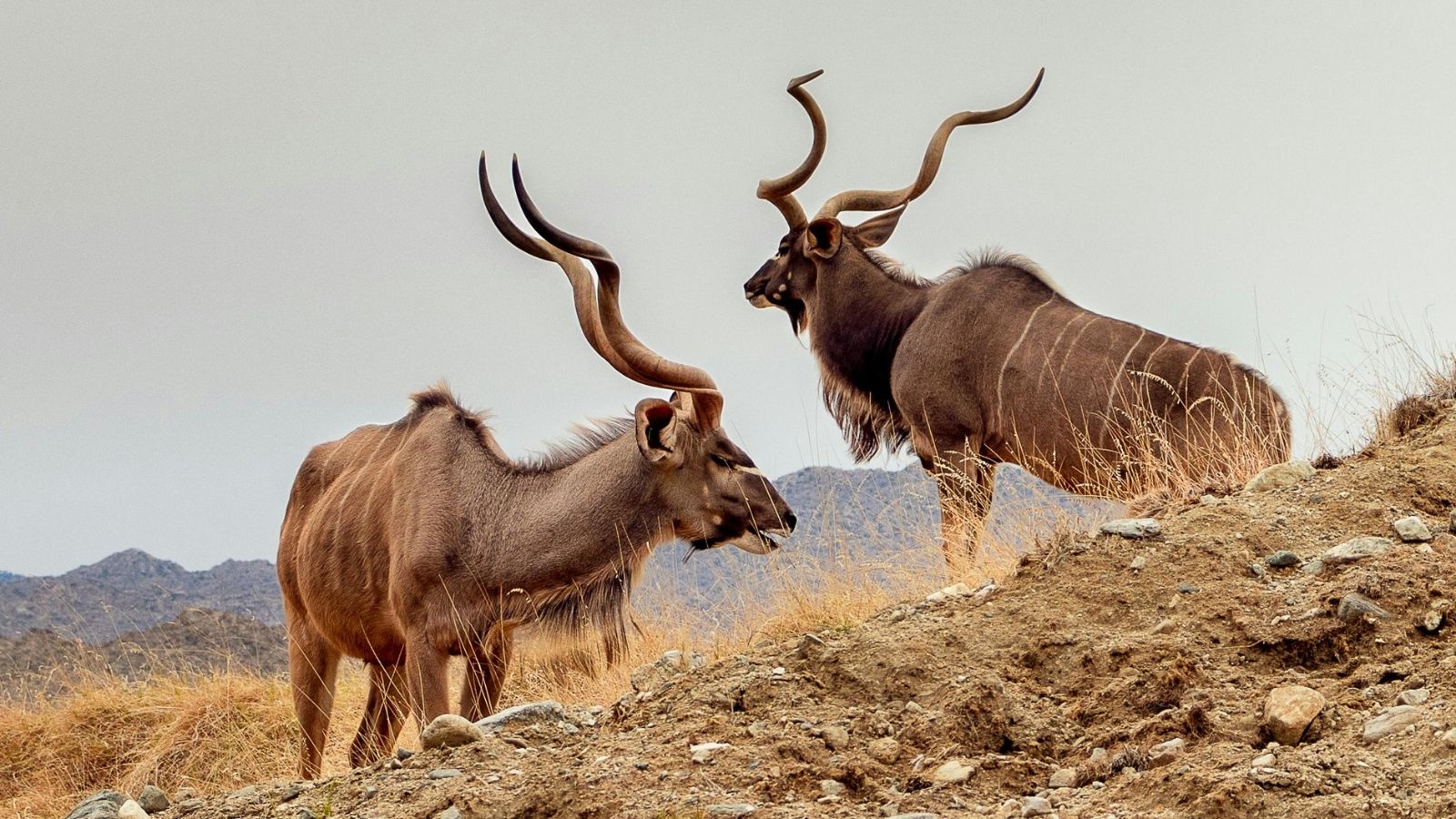
Etosha National Park is Namibia’s leading safari destination. Its waterholes attract wildlife from across dry landscapes, giving excellent viewing opportunities for elephants, lions, giraffes, zebra, antelope, and rhino. During dry seasons, game watching can be exceptional.
Namibia is also highly popular for self-drive travel. Roads are generally good, distances are manageable with planning, and the country feels organized and safe for independent visitors. Many combine Etosha with Sossusvlei’s dunes, Skeleton Coast scenery, and desert-adapted wildlife.
Zambia is for authentic safari enthusiasts
Zambia is often chosen by travelers who want a deeper and more adventurous safari experience. It is less commercial than some larger destinations and strongly associated with guiding quality and wilderness atmosphere.
South Luangwa National Park is one of Africa’s great safari regions and widely regarded as a birthplace of walking safari. Exploring bush landscapes on foot with professional guides creates a different connection to nature, focusing on tracks, sounds, and smaller details often missed from vehicles.
Zambia also rewards repeat safari travelers who want something beyond mainstream routes. Lower visitor numbers, excellent guides, remote camps, and rich wildlife make it highly respected in safari circles. It appeals to those seeking substance rather than spectacle.
Zimbabwe is gaining renewed attention
Zimbabwe has long safari traditions and some outstanding wildlife areas. In recent years, the country has attracted growing interest from travelers looking for quality safari with fewer crowds.
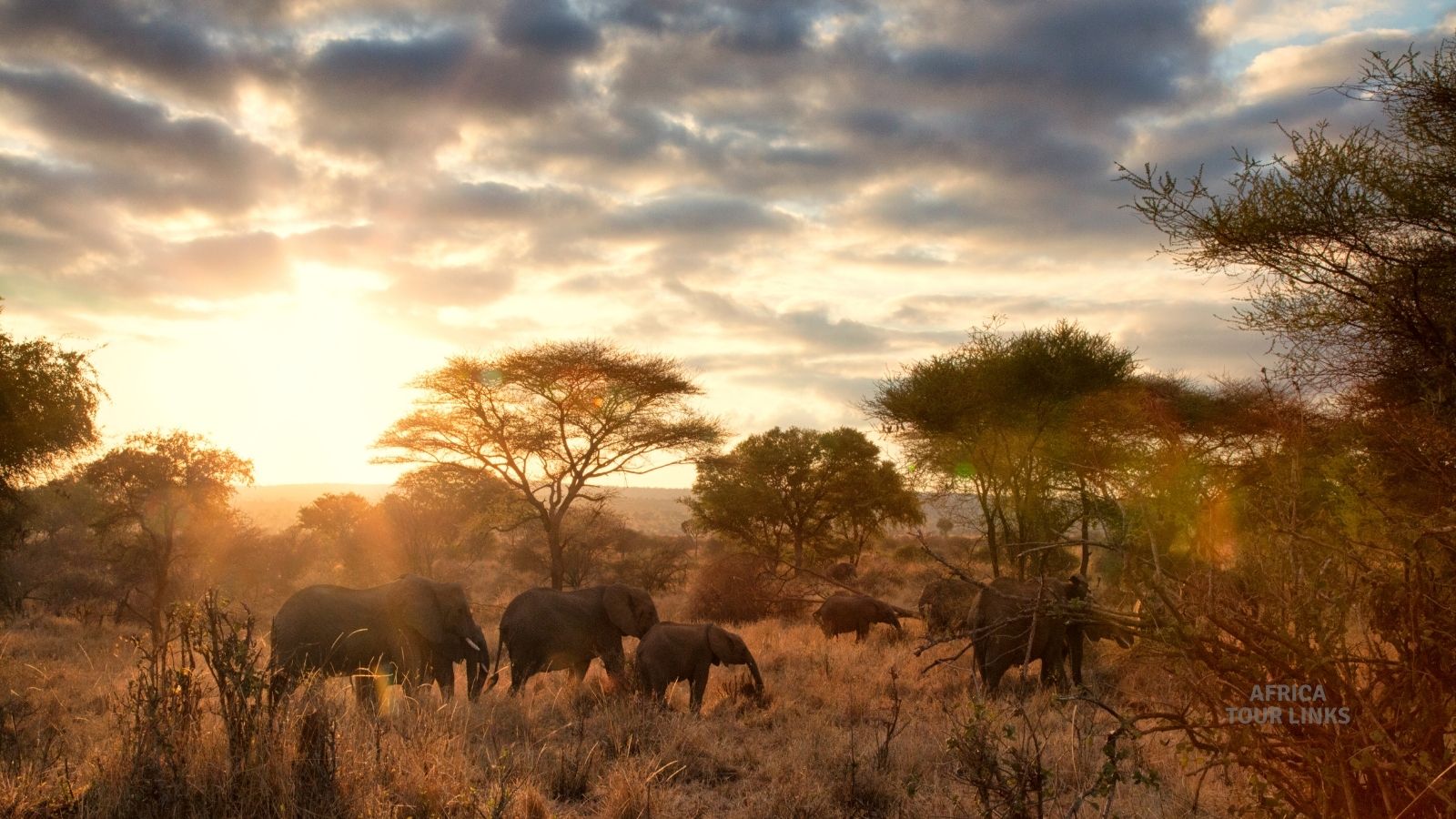
Hwange National Park is Zimbabwe’s best-known reserve and one of Africa’s finest elephant destinations. It also supports lions, wild dogs, buffalo, giraffe, and many antelope species. Guiding standards are often praised, especially in private concession areas.
Another major advantage is the ability to combine safari with Victoria Falls, one of the world’s most famous natural attractions. This combination of wildlife and iconic scenery gives Zimbabwe strong appeal for adventurous and well-informed travelers.
Uganda combines primates and classic safari
Uganda is internationally famous for gorilla trekking, but the country offers much more than mountain gorillas alone. Its landscapes include lakes, forests, savannahs, and fertile hills, making it one of East Africa’s most varied destinations.
Bwindi Impenetrable Forest is the leading gorilla destination, where travelers hike through dense vegetation to spend time near habituated gorilla families. For many, it is one of the most emotional wildlife experiences in Africa.
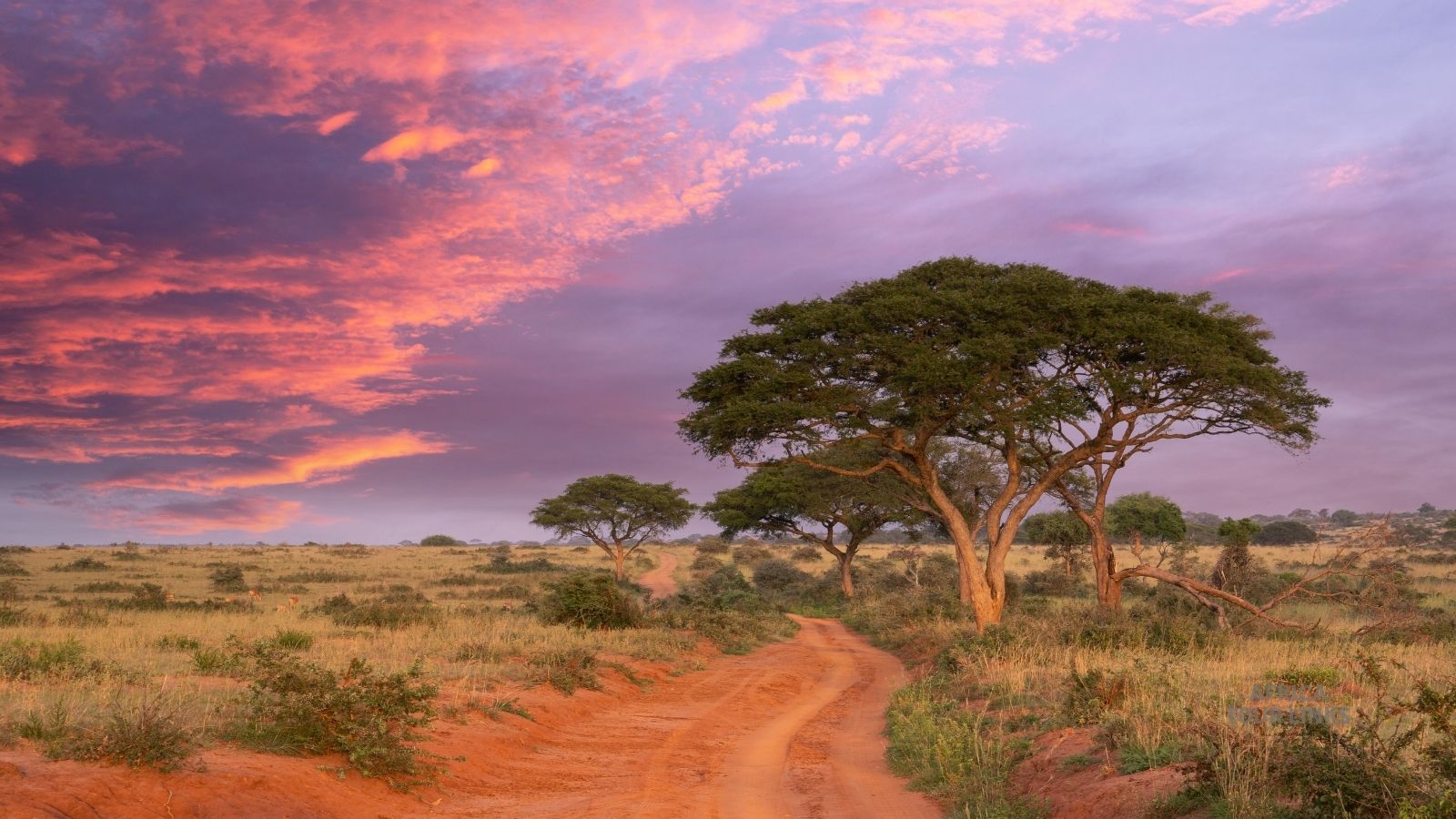
Uganda also offers classic safari in parks such as Queen Elizabeth National Park and Murchison Falls. Tree-climbing lions, elephants, hippos, boat safaris, chimpanzees, and birdlife make the country highly attractive to travelers wanting diversity in one journey.

Rwanda has become a premium wildlife destination
Rwanda has transformed itself into one of Africa’s most respected tourism success stories. The country is clean, organized, scenic, and increasingly known for high-end nature travel.
Volcanoes National Park is Rwanda’s flagship safari attraction. Gorilla trekking here is world-famous, and many travelers appreciate the country’s efficient logistics, quality lodges, and easy access from Kigali.
Rwanda is especially popular with travelers who have limited time but want a polished experience. It can be easier to plan a shorter luxury wildlife trip here than in some larger safari nations. Increasing interest in conservation tourism has further strengthened Rwanda’s image.
Mozambique is rising through safari and beach combinations
Mozambique is best known for coastline, islands, and Indian Ocean beauty, but it is increasingly important in the safari market through combination travel.
Many travelers visit safari destinations in South Africa, Zimbabwe, Zambia, or Botswana and then continue to Mozambique for beach relaxation. This creates a powerful bush-and-beach holiday model.
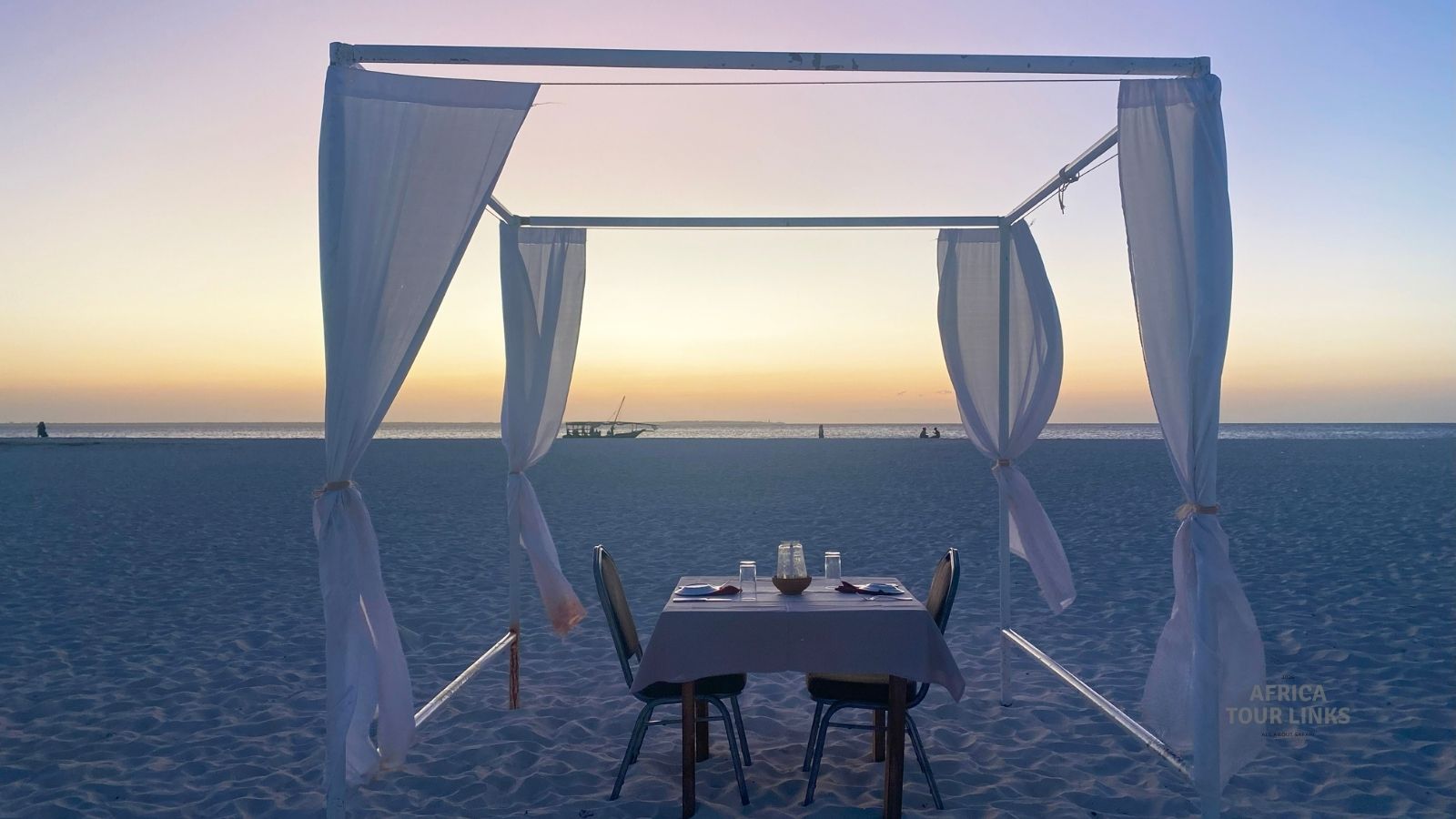
The country’s islands, marine life, diving, sailing, and quieter atmosphere appeal strongly to honeymooners and luxury travelers. As regional tourism links improve, Mozambique continues to grow as a natural extension of the safari experience.
Why these countries remain the most popular
The most successful safari destinations usually share several strengths. They offer reliable wildlife sightings, respected parks, professional guiding, safe logistics, strong accommodation choices, and memorable scenery.
They also allow travelers to combine safari with beaches, cities, culture, gastronomy, or adventure activities. Modern safari guests increasingly want more than game drives alone, and these countries meet that demand.
Africa top 10
For classic Big Five safari, many travelers choose Tanzania, Kenya, or South Africa. For exclusivity and wilderness, Botswana is often a favorite. For gorilla experiences, Uganda and Rwanda lead the market. For landscapes and self-drive freedom, Namibia stands out.