
Best Time to Visit Tanzania for Safari: A Complete Travel Guide
Best Time to Visit Tanzania for Safari
“Tanzania is one of Africa’s most rewarding safari destinations, offering spectacular wildlife, diverse landscapes and unforgettable natural experiences. However, choosing the right time to visit can make a significant difference to your safari”.
Weather conditions, wildlife movements and seasonal changes influence what visitors can experience in Tanzania’s national parks. Whether you want to witness the Great Migration, enjoy excellent wildlife viewing or experience the beautiful green season, understanding Tanzania’s safari seasons will help you plan your journey.
When Should You Plan Your Tanzania Safari?
June to October – The Best Dry Season for Safari
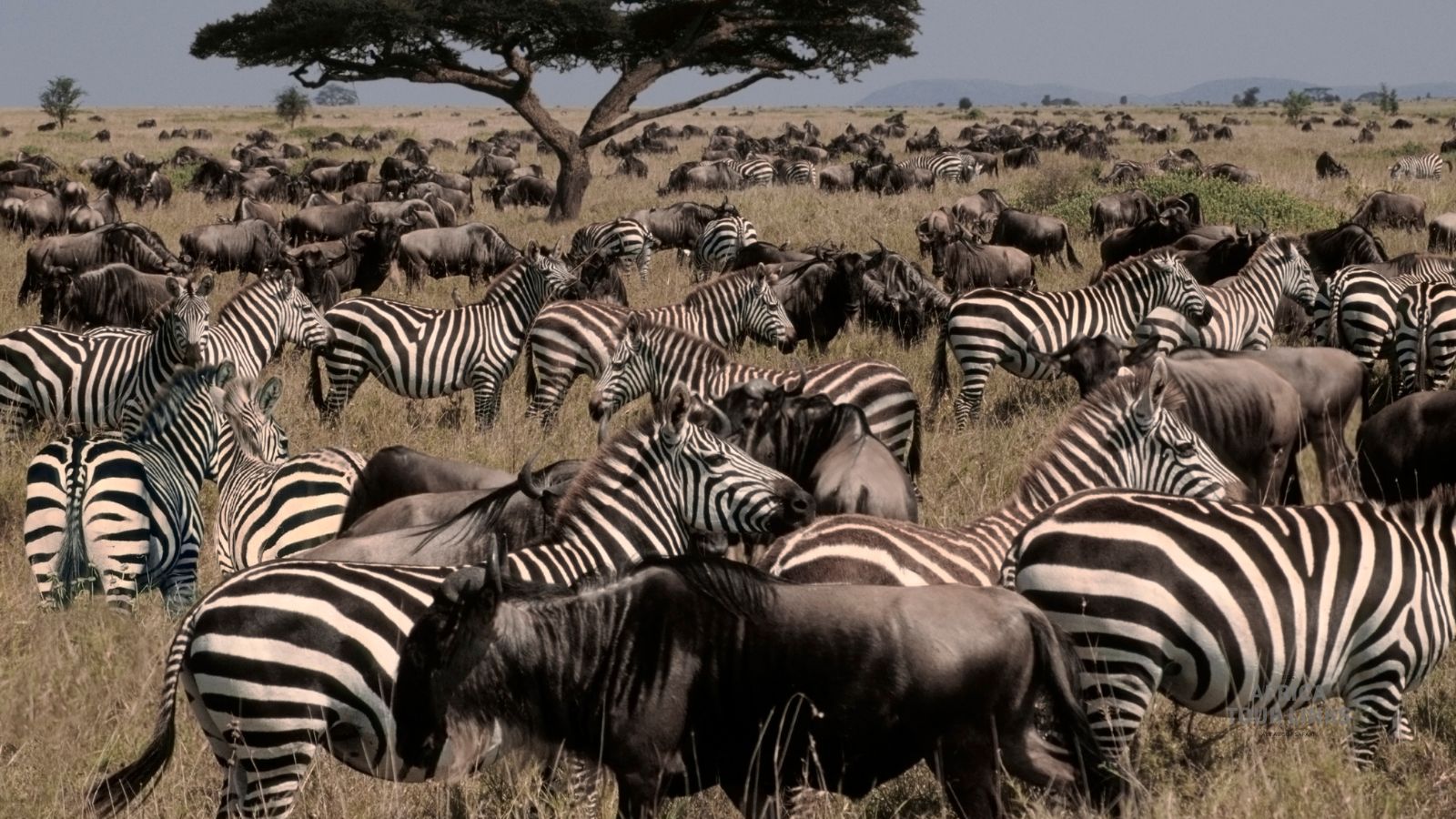
During these months, rainfall is limited, vegetation becomes thinner and animals often gather around rivers and water sources.
This makes wildlife easier to spot in many national parks.
Popular destinations during this period include:
Serengeti National Park.
Tarangire National Park.
Lake Manyara National Park.
July to October is also an important period for travellers hoping to witness parts of the Great Migration in the northern Serengeti, although migration movements depend on rainfall and grazing conditions.
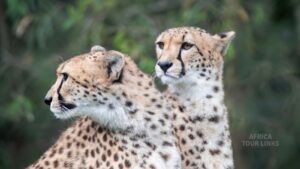
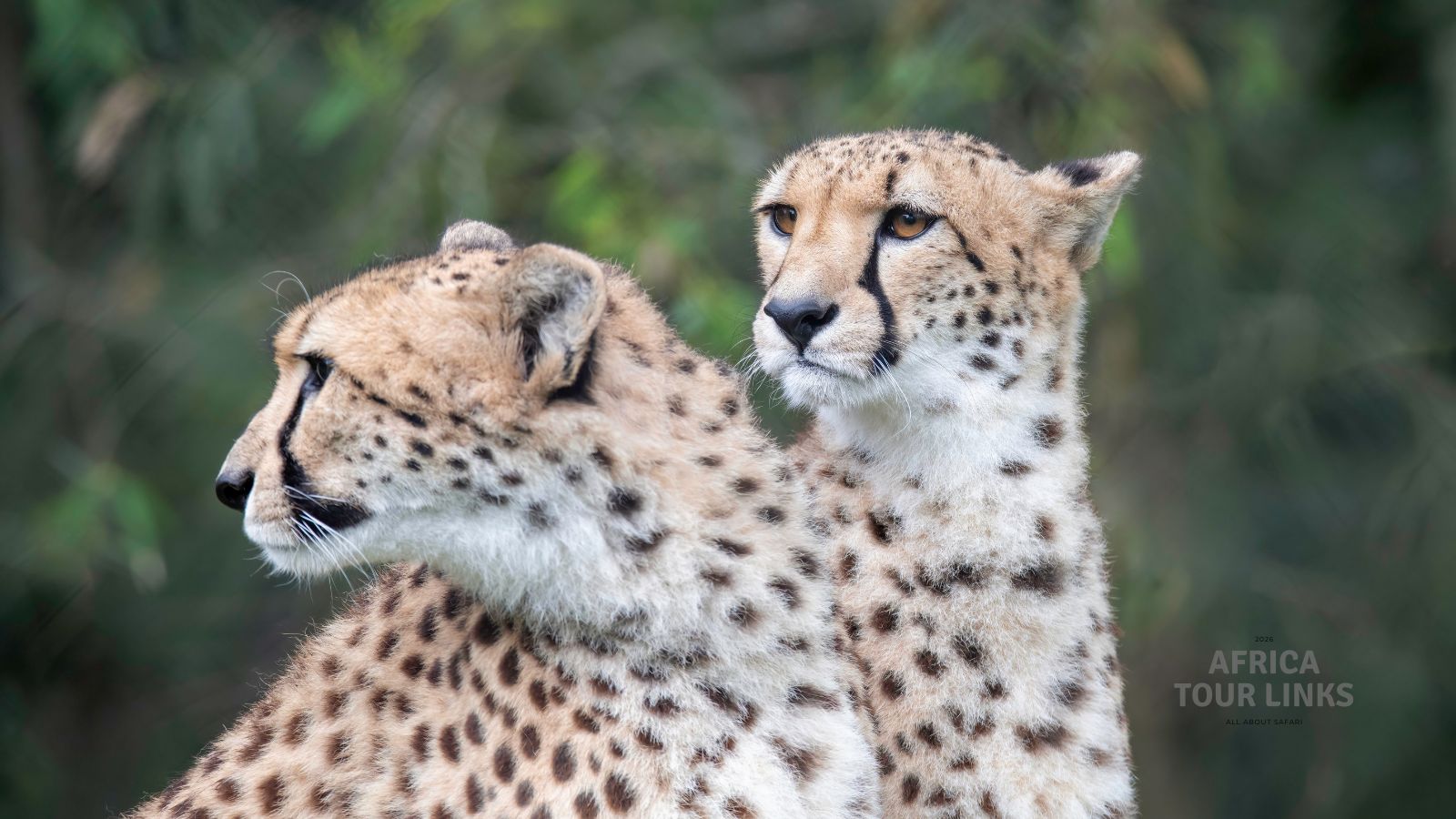
January to March offers a remarkable safari experience, particularly in the southern Serengeti and Ndutu region. This is generally the calving season, when large numbers of wildebeest give birth to their young. The abundance of newborn animals also attracts predators such as lions, cheetahs and hyenas. For wildlife photographers and travellers interested in predator activity, this can be an exceptional time to visit.
November to December – The Short Rains and Green Season
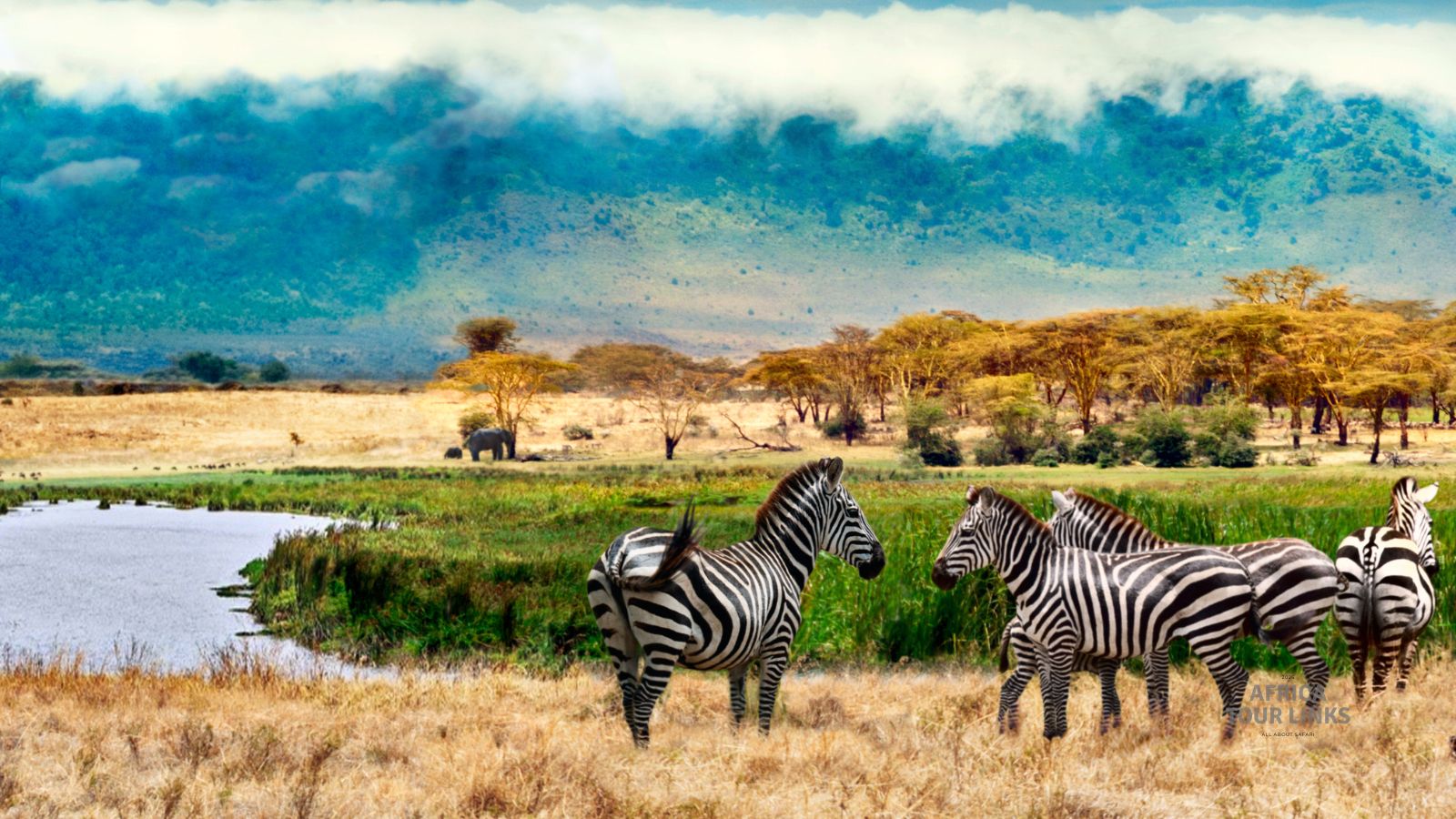
November and December are generally associated with the short rainy season. The landscape becomes greener, the air feels fresher and many destinations offer beautiful photographic opportunities. Although occasional rain can affect travel conditions, safaris remain possible.
Benefits include:
Beautiful green landscapes.
Excellent birdwatching opportunities.
Fewer visitors in some parks.
Attractive photography conditions.
This season is worth considering for travellers looking for a different safari atmosphere.
 |  |
April to May – The Long Rainy Season
April and May are typically the wettest months in Tanzania. Heavy rainfall can make some roads difficult to access, particularly in remote safari areas. However, this period also offers lush landscapes, fewer tourists and potentially attractive accommodation rates.
Some safari camps and lodges may close temporarily during parts of the season, so it is important to confirm availability before booking.
Best Time to Visit Tanzania’s Most Popular National Parks
| Destination | Recommended period |
|---|---|
| Serengeti | June–October and January–March |
| Ngorongoro Crater | Year-round |
| Tarangire | June–October |
| Lake Manyara | June–October |
| Nyerere National Park | June–October |
| Ruaha National Park | June–October |
These are general seasonal recommendations. Wildlife sightings and conditions vary throughout the year.
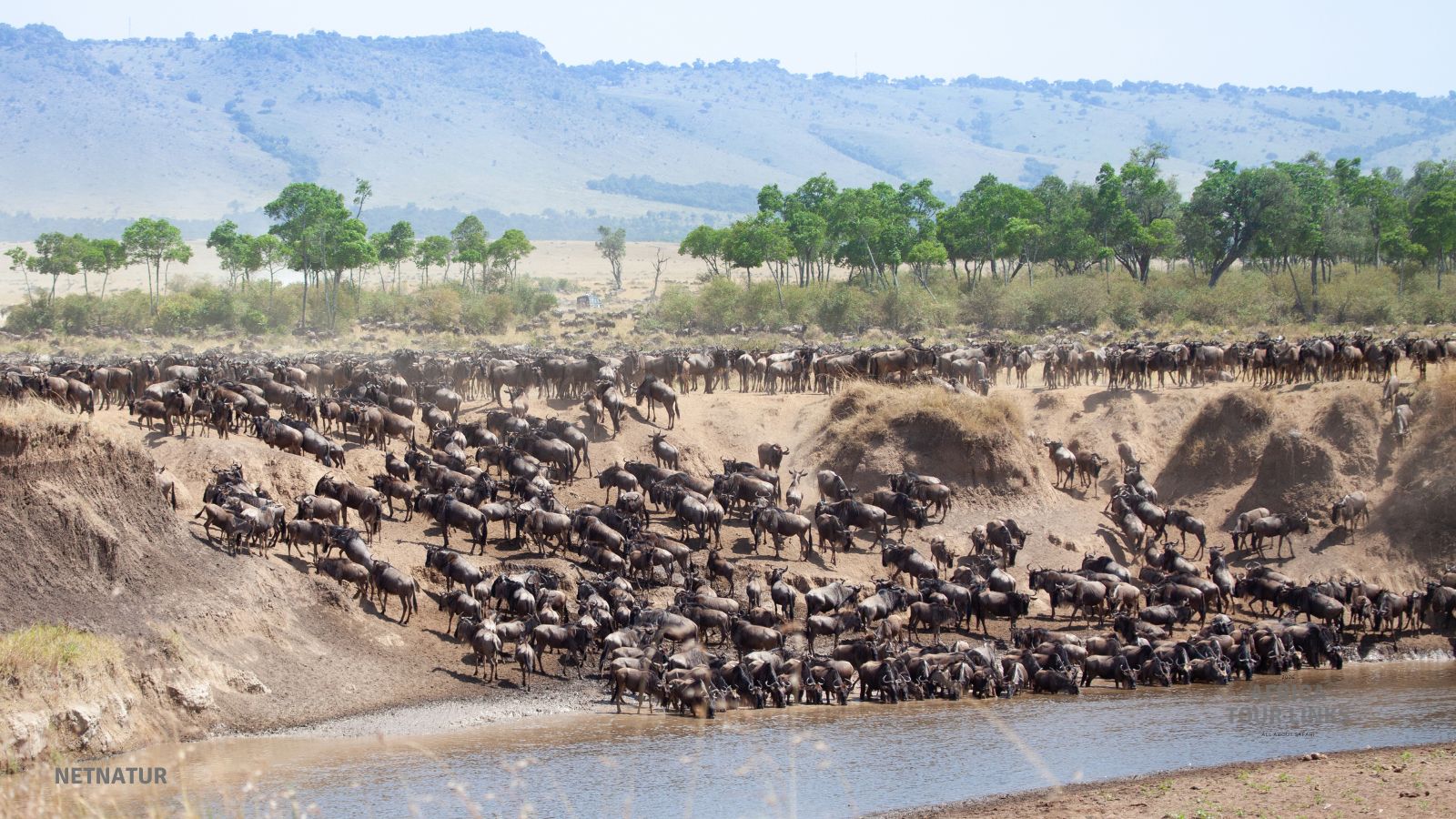
When Is the Best Time to See the Great Migration?
The Great Migration is one of the most famous wildlife spectacles in Africa.
Its movement changes throughout the year depending on rainfall and grazing conditions.
January–March: Calving season in the southern Serengeti and Ndutu.
April–June: Herds generally move through the central and western Serengeti.
July–October: Northern Serengeti and possible Mara River crossings.
November–December: Movement towards the southern Serengeti.
River crossings are natural events and cannot be guaranteed on a specific date.
 |  |
Start Planning Your Tanzania Safari
There is no single perfect month for every traveller. The best time depends on your priorities, whether that is witnessing the Great Migration, photographing wildlife or enjoying a quieter safari. Africa Tour Links helps travellers explore Tanzania safari experiences and compare available tour operators before making a booking decision.