




What Can You Bring Home from Africa? Souvenirs Can Become Expensive at Customs
What Can You Bring Home from Africa?
By Africa Tour Link
For many travelers, Africa means spectacular wildlife, colorful markets, and unique craftsmanship. Every year, thousands of tourists return home with bags full of memories from safari adventures, beach holidays, or overland journeys. But not everything sold in African markets can legally be brought back to Denmark, the EU, or other countries. Products made from animals, plants, or natural materials can create serious problems at customs.
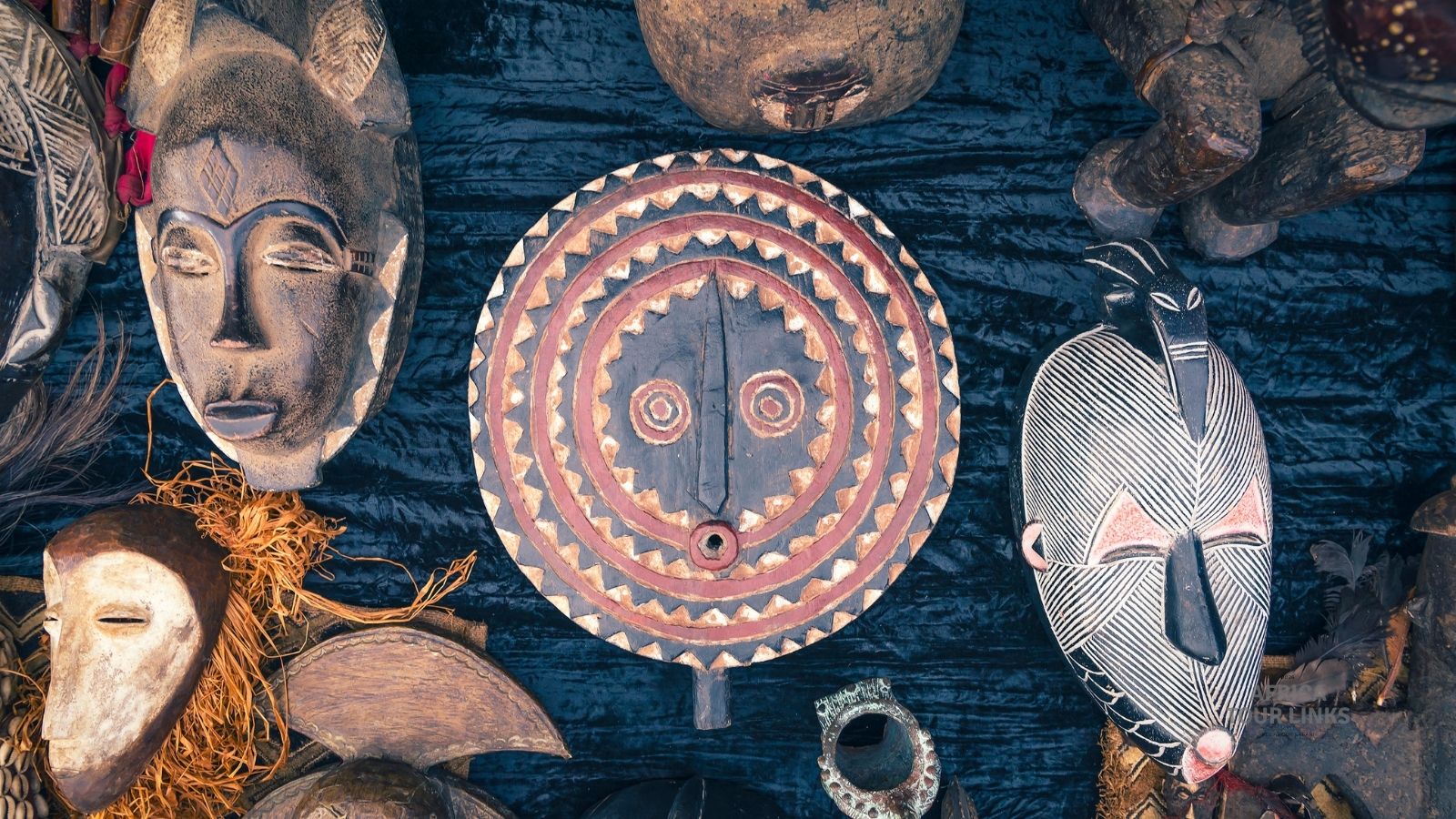
For most visitors, souvenirs are a way to take something special home. It may be a handmade figure, jewelry, a drum, a bag, or a decorative item that reflects the trip. In local markets, these products often appear completely ordinary and are sold alongside textiles, paintings, and wooden carvings.
That is exactly why many travelers are surprised when authorities later decide that the item cannot be imported. A product may be legal to sell in the country where it was purchased, but still illegal to bring into the EU or many other destinations. The rules depend not only on where it was bought, but also on the materials used and the species those materials came from.
Protected animals and plants are central to the rules
A large part of the regulations is designed to protect endangered species from international trade. This is handled through the global CITES agreement, which regulates trade in wild animals and plants. More than 180 countries participate, including African nations, Denmark, and all EU member states.
In practice, CITES means that some species are completely banned from commercial trade, while others may only be traded with special permits. The rules do not apply only to live animals or whole skins and trophies. They also cover smaller parts such as teeth, horns, bones, shells, feathers, or products containing these materials.
Ivory is the best-known example
When this subject comes up, most people immediately think of ivory. It is also one of the most controlled and restricted products. Trade in ivory is widely banned or heavily limited because elephants have suffered from decades of poaching.
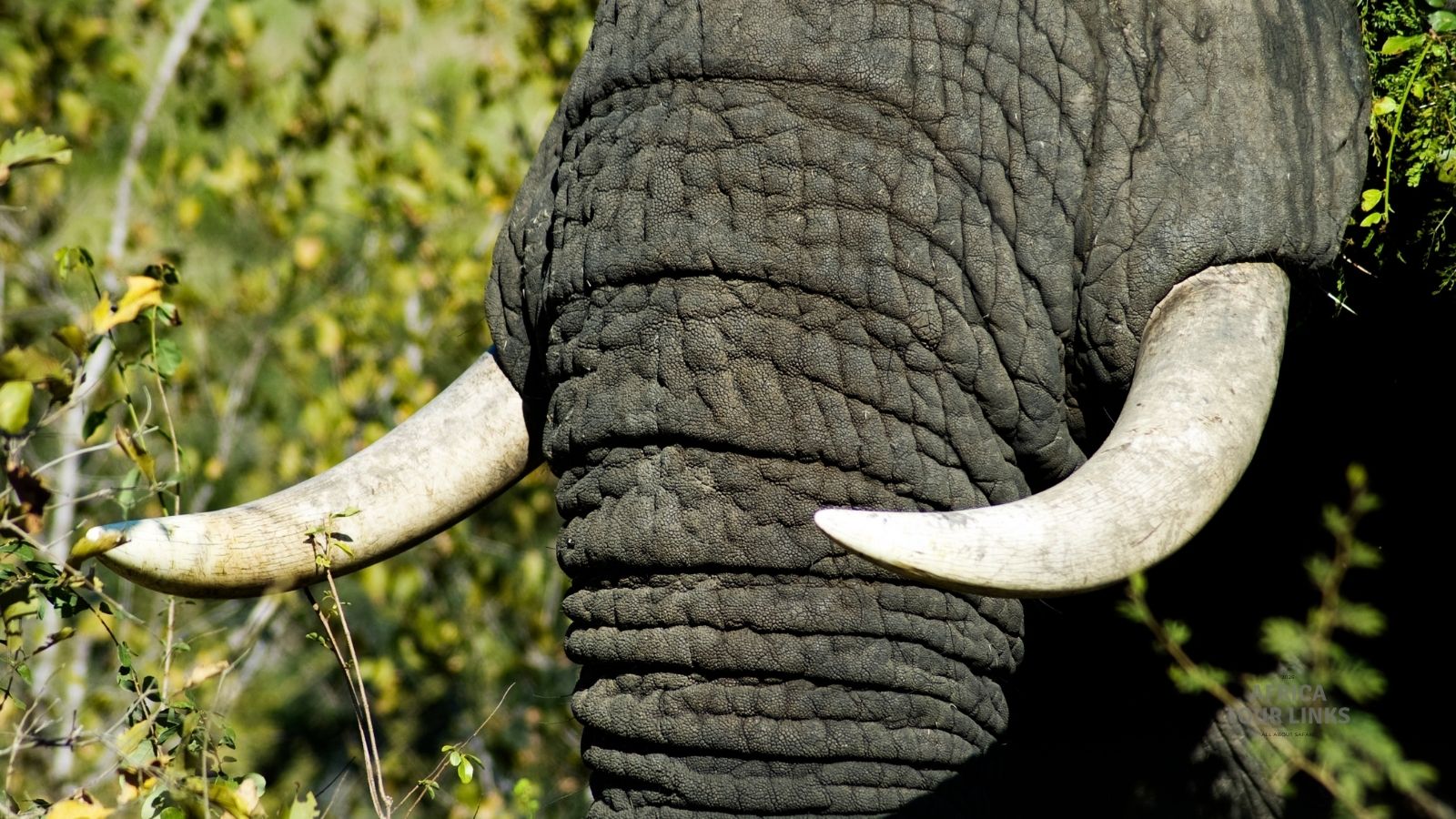
Many tourists believe that small carvings, jewelry, or old decorative items are acceptable, but the rules are complex and documentation requirements are strict. For that reason, ivory is one of the riskiest souvenirs a traveler can buy.
But the list is much longer
It is not only elephants that are protected. Products made from crocodile, snake, leopard, sea turtle, coral, giant clams, and various bird species may also require permits or may be prohibited.

Tourist markets often sell reptile-skin bags, jewelry with teeth, drums covered in animal hide, decorative horns, and small figures made from bone. To a visitor, these may look like ordinary handicrafts, but to customs officials, the origin of the material is what matters most.
Even if a seller claims that the item is “old,” “antique,” or “legal,” this is not necessarily accepted as proof by customs authorities.
Small souvenirs can also cause trouble
Many people assume the rules only apply to large trophies or expensive skins. That is not true. A keyring with a tooth, a bracelet made from horn, or a necklace with shells may be enough to trigger customs attention.
The reason is simple: the law protects the species, not the size of the product. If the material comes from a protected species, even a small souvenir may be illegal without proper paperwork.
Denmark and the EU enforce strict controls
When arriving in Denmark, travelers are subject to EU regulations as well as Danish enforcement through customs and environmental authorities. If officials find items without the required documentation, they may be confiscated.
In some cases, fines are issued, and in more serious situations criminal charges may follow. Claiming that the item was bought in good faith or that the traveler did not know the rules is usually not enough to avoid responsibility.
Authorities regularly emphasize that it is the traveler’s responsibility to check the rules before buying and packing such items.
What about food and natural products?
Many visitors also bring home coffee, spices, tea, honey, or local specialties. These products fall under different types of regulations, including food safety and veterinary controls.
Meat products, dried bushmeat, hunting products, and certain animal-based foods may be prohibited. The same can apply to some plant products, seeds, or untreated natural materials that could spread disease or pests.
For that reason, travelers should also think carefully about products that do not immediately look like wildlife items.
What is the safest choice?
The good news is that Africa offers countless souvenirs that are usually much easier and safer to travel with. Handwoven textiles, baskets, ceramics, woodwork without protected materials, paintings, photographs, spices, and locally designed crafts are often excellent choices.
At the same time, these purchases often support local artists and craftspeople directly, rather than encouraging trade in wildlife products.
How to avoid mistakes while traveling
The most important advice is simple: do not rely only on the seller. A seller’s promise is not a legal guarantee. Instead, check official regulations before making a purchase.
If you are unsure, it is often best to leave the item behind. A souvenir quickly loses its charm if it is confiscated at the airport or leads to a fine.
Always keep receipts, and if permits are required, make sure the documents are original and correctly completed. Missing paperwork is one of the most common reasons travelers face problems.
Travelers are becoming more aware
Interest in responsible tourism is growing, and many visitors today prefer to support conservation rather than trade in vulnerable species. That means more people are choosing souvenirs that represent culture and craftsmanship instead of exploiting wildlife.
This is a positive development, because Africa is home to some of the world’s most remarkable animals — and they are worth protecting in nature rather than ending up as decoration in a suitcase.
The best souvenir is often the experience
For many travelers, the strongest memories from Africa are not the objects they bring home, but the moments they experienced: lions at sunrise, lively markets, meeting local people, vibrant colors, sounds, and unforgettable landscapes.
Souvenirs can be wonderful reminders, but they should be chosen wisely. When you travel responsibly, you protect nature, yourself, and the experiences that make Africa truly special.