


Africa is home to some of the continent’s most distinctive antelopes, including several species recognised for their spiral-shaped horns, impressive size and specialised habitats
Africa’s most remarkable spiral-horned antelopes
Af AfricaTourLinks Editorial Team
Among Africa’s antelopes, the spiral-horned species are particularly distinctive. Kudu, nyala, bongo, bushbuck and eland belong to a group of antelopes with very different appearances and habitats, from dense forests and mountain landscapes to open woodland.
For wildlife travellers, these species offer another perspective on Africa beyond the best-known safari animals. Some are relatively widespread, while others have much smaller ranges and are associated with particular habitats”.
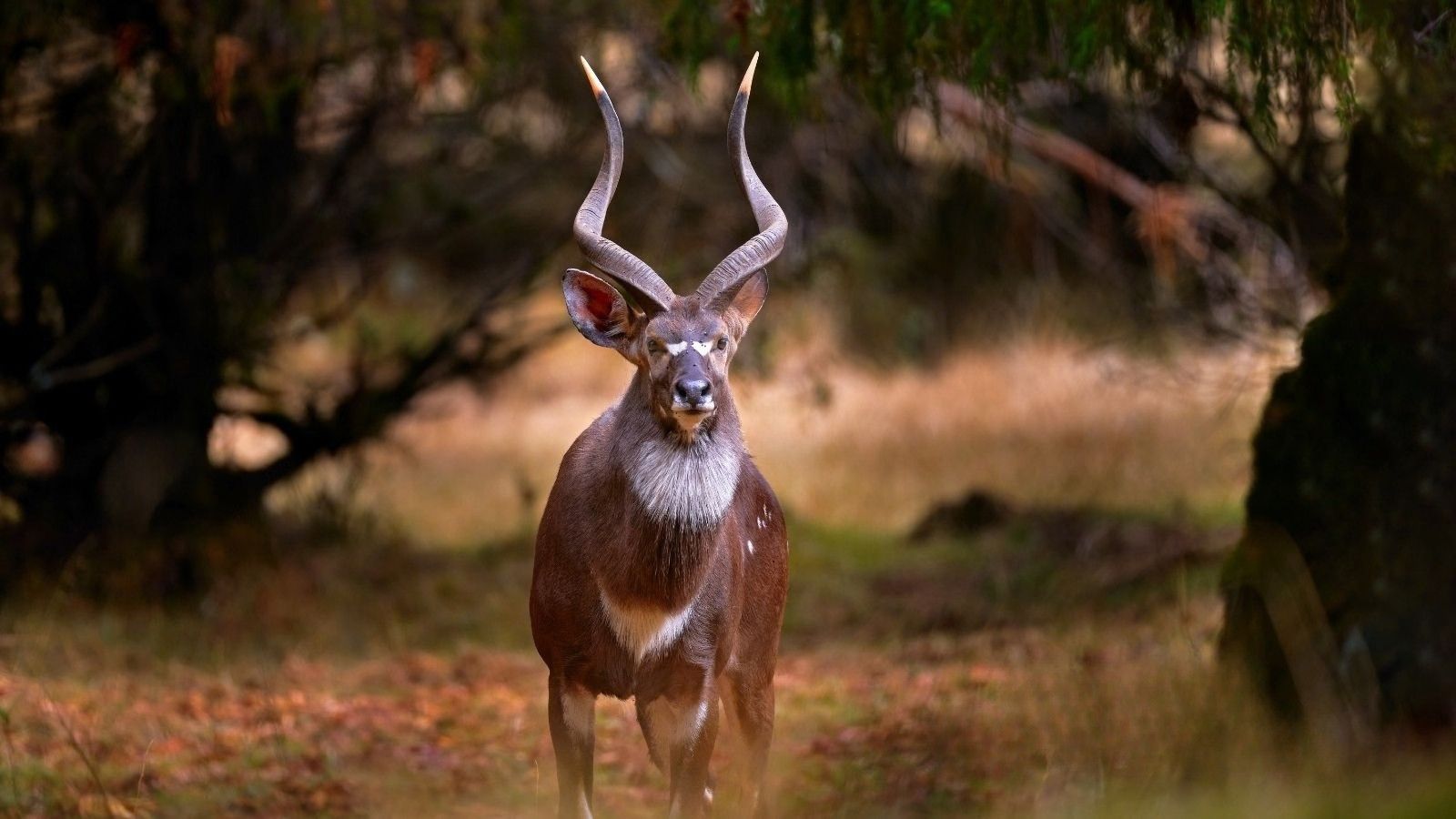
Mountain nyala – Ethiopia’s highland antelope
The mountain nyala is found in the highlands of Ethiopia and is one of Africa’s most distinctive antelopes.
It is associated with high-altitude habitats and rugged terrain. The species is considerably larger than many other spiral-horned antelopes, and adult males have substantial horns with a spiral structure.
Its restricted distribution makes the mountain nyala closely connected to Ethiopia’s highland ecosystems.
For travellers interested in African wildlife, the species represents a very different experience from viewing antelope on the open plains of East Africa.
Bongo – the striped forest antelope
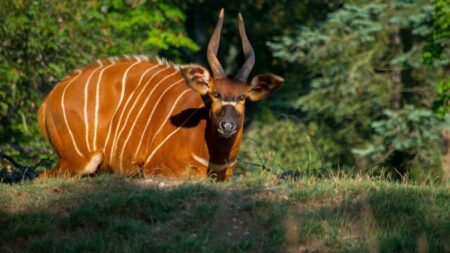
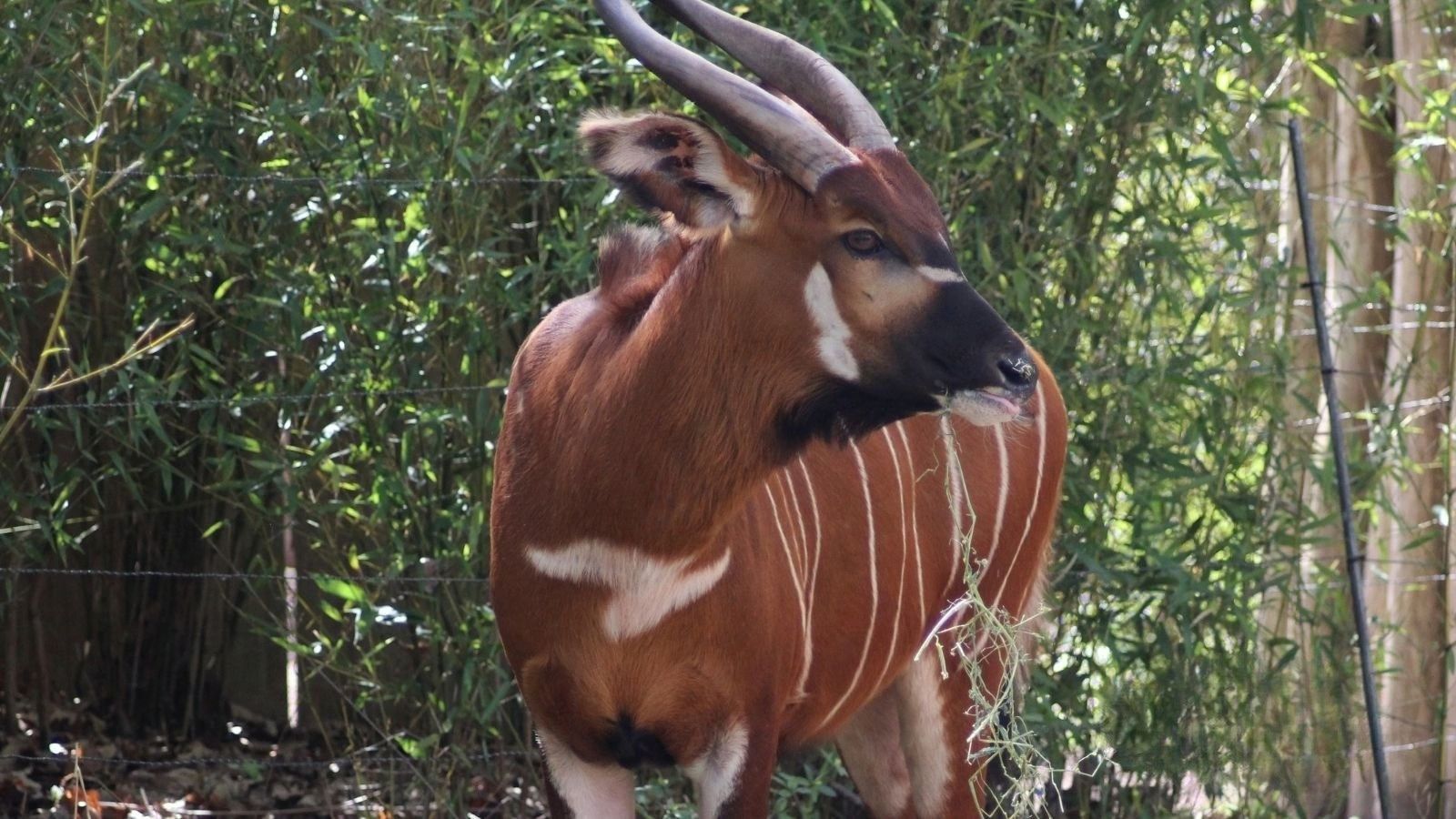
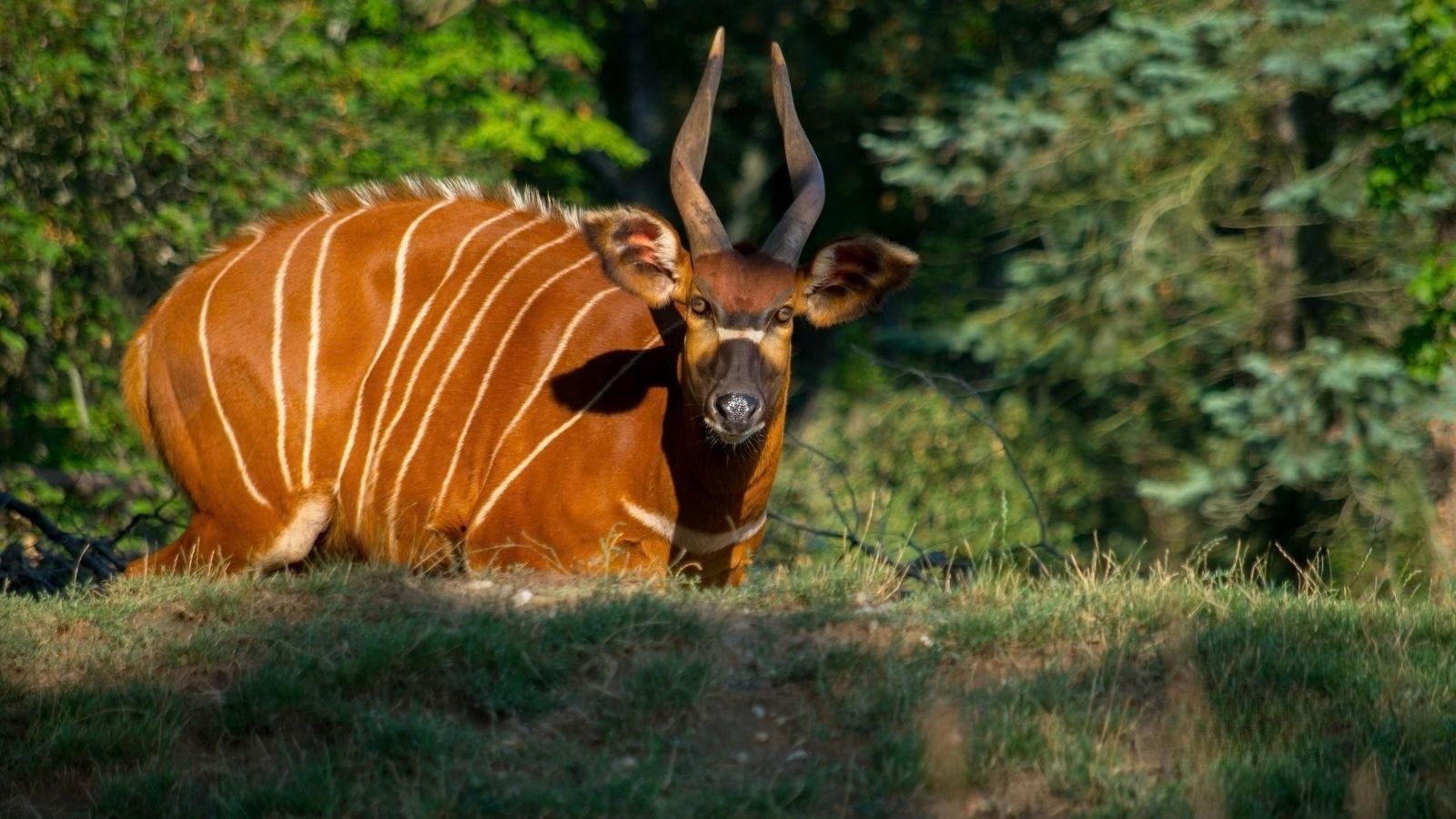
The bongo is a large forest antelope recognised by its reddish-brown coat, white vertical stripes and spiral-shaped horns.
It is associated with forest habitats in several parts of sub-Saharan Africa. The species includes different subspecies, with the mountain bongo of Kenya being particularly threatened.
Unlike antelopes that are commonly observed in open savannah, bongos are associated with dense vegetation and can be difficult to observe.
This makes the species an important part of Africa’s forest wildlife and conservation story.
Lord Derby eland – one of Africa’s largest antelopes
Lord Derby eland is a large eland found in parts of West and Central Africa.
Elands are among Africa’s largest antelopes, and Lord Derby eland is particularly notable for its size. The species has a distinctive appearance, with large spiral horns and a substantial body.
Its geographical range is much more restricted than that of some of the better-known eland populations of southern Africa.
For wildlife enthusiasts, Lord Derby eland is therefore an example of the regional diversity found among Africa’s large antelopes.
Kudu – the iconic spiral horns
The kudu is one of Africa’s best-known spiral-horned antelopes.
The greater kudu occurs across parts of eastern and southern Africa. Adult males are especially recognisable because of their long, spiralling horns.
Kudu are associated with woodland and bush habitats, where their colouring provides a strong contrast to the more open landscapes of the classic savannah safari.
The species is also an important example of how wildlife varies between different African regions. Greater kudu populations in southern Africa are encountered in a different ecological setting from kudu found further east.
Nyala – a southern African forest and woodland species
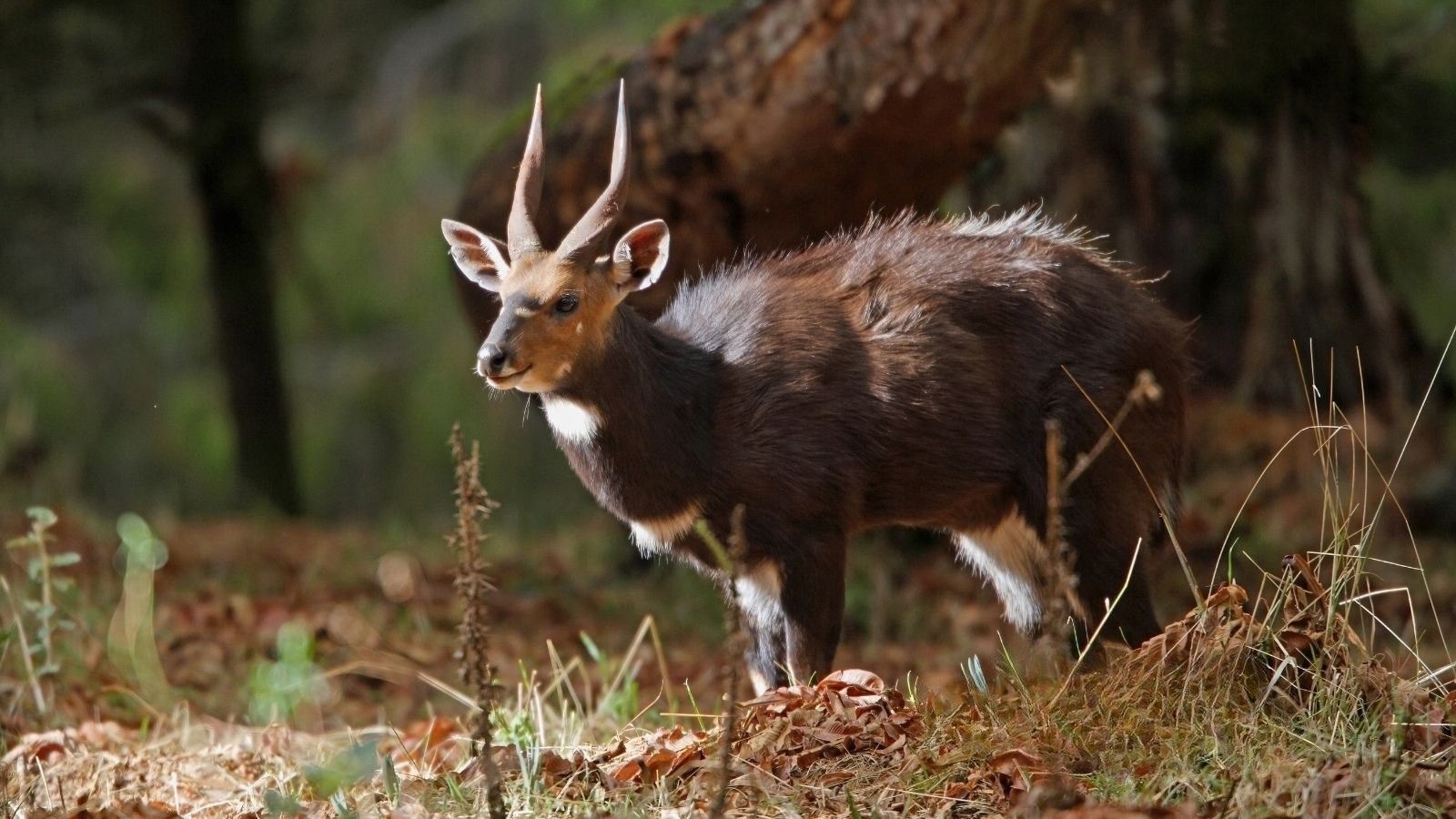
The nyala is another distinctive spiral-horned antelope of southern Africa.
Adult males and females are markedly different in appearance. Males are larger and darker, while females have a lighter brown coat with prominent vertical markings.
Nyala are associated with woodland, thickets and areas of dense vegetation.
They can be encountered in several southern African countries, making the species an interesting addition to wildlife-focused travel itineraries in the region.
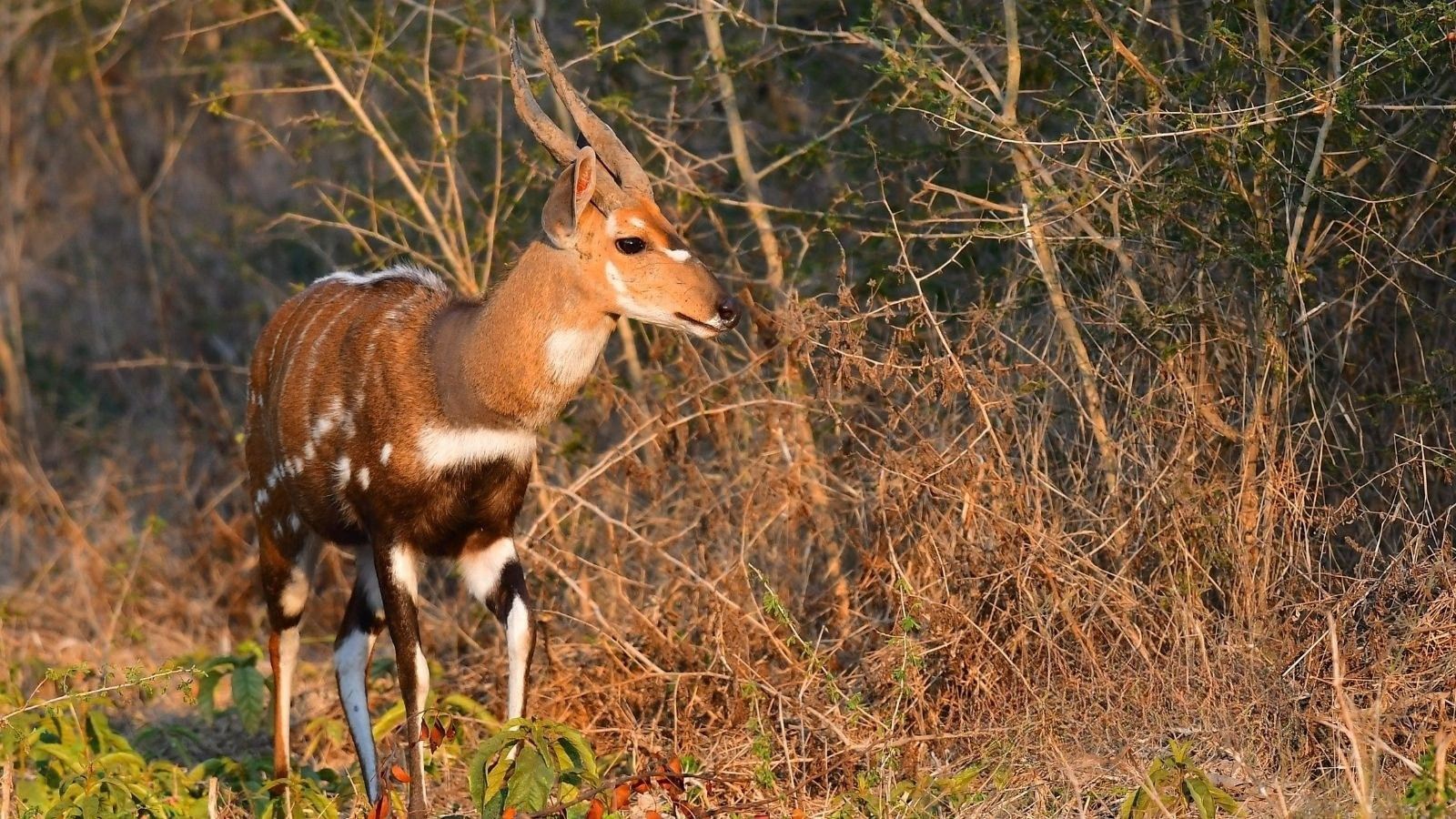
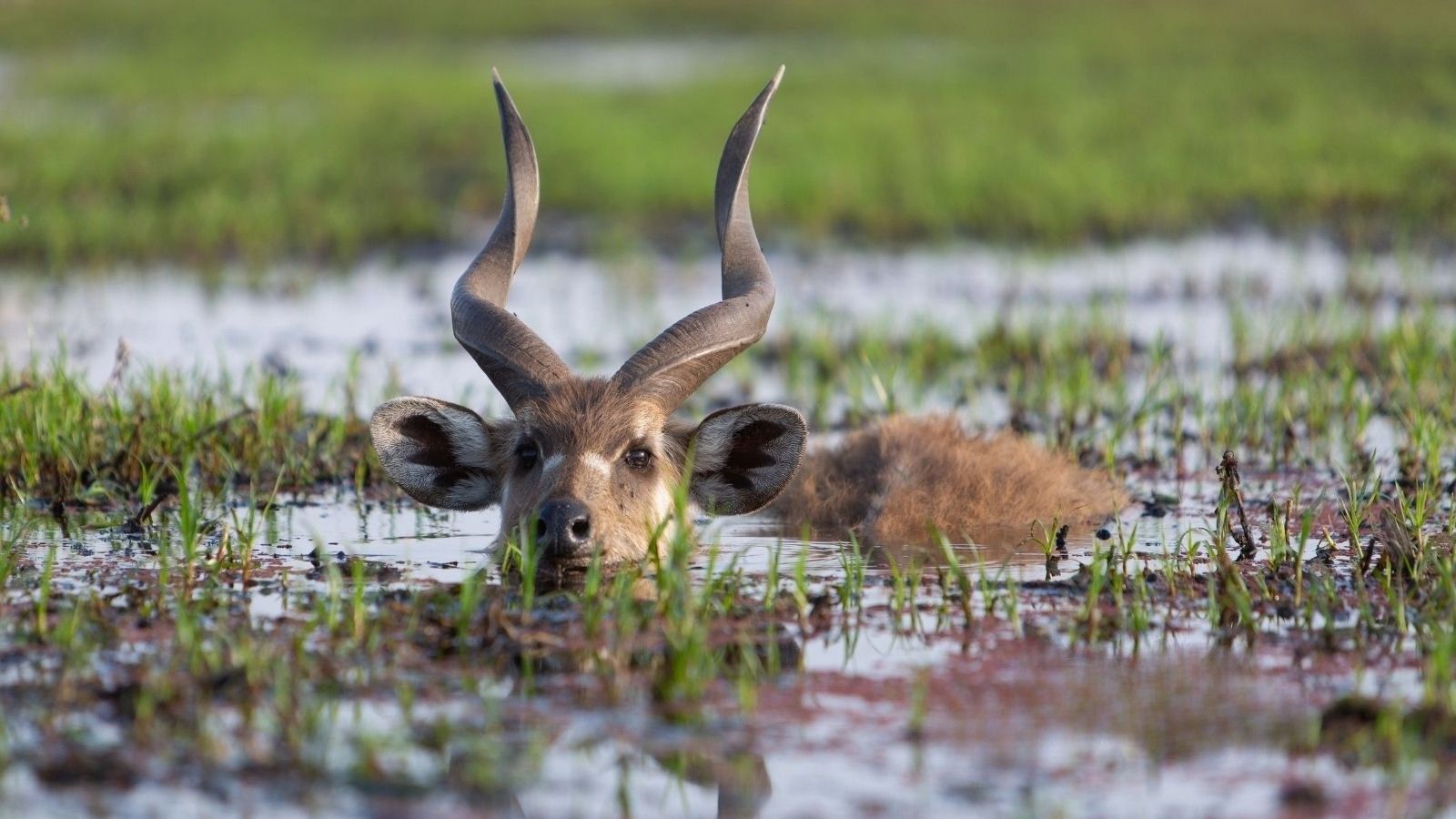
Bushbuck – several regional forms
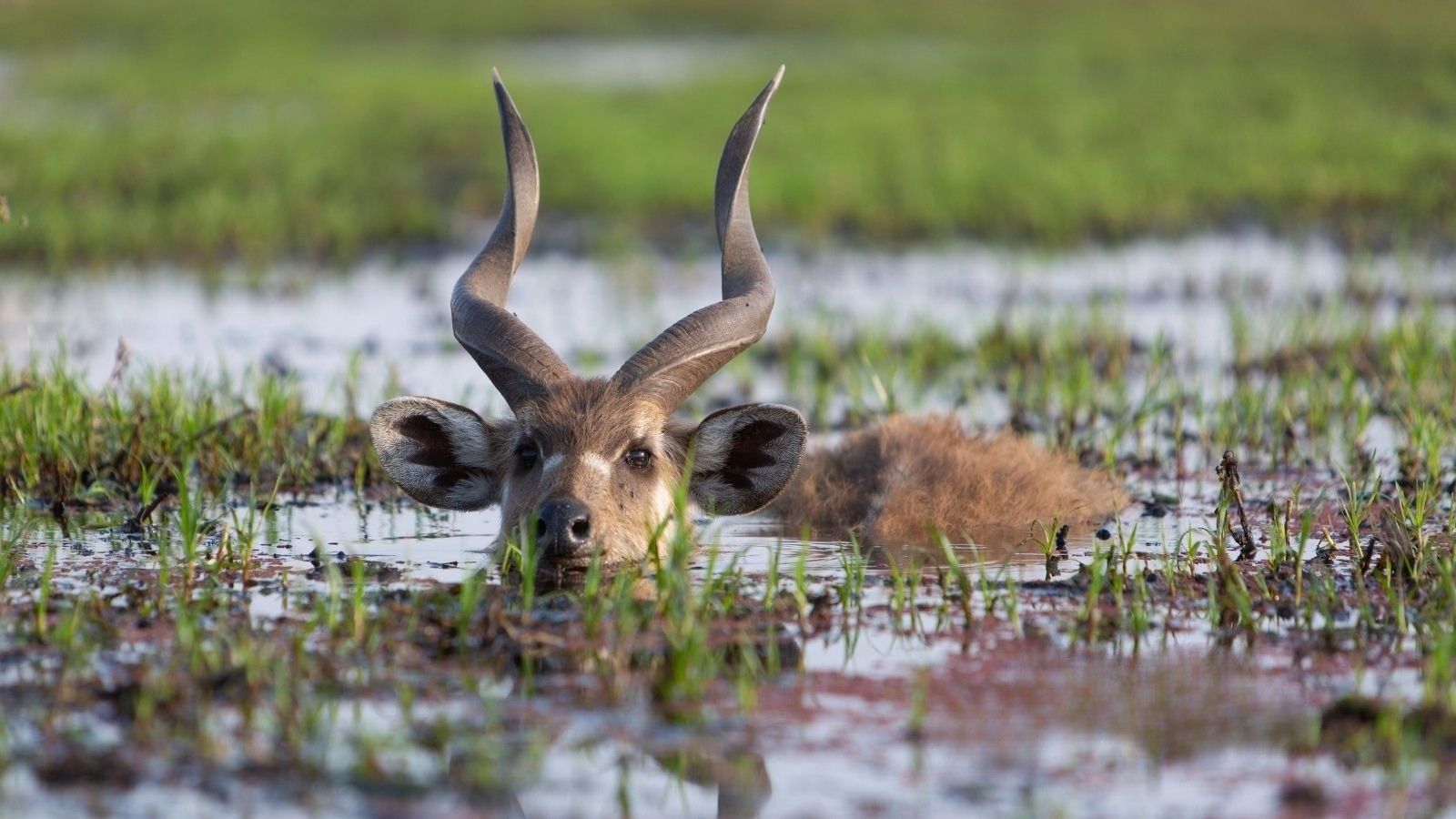
Bushbuck is a name used for a group of closely related antelope forms occurring across much of sub-Saharan Africa.
Their appearance varies between regions, and different populations can show noticeable differences in size, colour and markings.
Bushbuck are generally associated with dense vegetation, woodland and areas close to water.
Their distribution across much of sub-Saharan Africa illustrates how a single broad wildlife group can include considerable regional variation.
Why spiral-horned antelopes matter to African wildlife
The diversity of spiral-horned antelopes reflects the wide range of habitats found across Africa.
Some species are associated with mountain environments, others with forests and thickets, while eland and kudu can occupy woodland and more open habitats.
For travellers, this means that searching for these antelopes can take them far beyond the traditional safari landscapes.
It also highlights the importance of looking at Africa’s wildlife region by region. A species found in Kenya may have very different habitat requirements and conservation circumstances from a related species in Ethiopia, West Africa or southern Africa.
A wildlife group worth exploring
Africa’s spiral-horned antelopes include some of the continent’s most recognisable and specialised herbivores.
The mountain nyala of Ethiopia, the bongo of Africa’s forests, Lord Derby eland of West and Central Africa, kudu of eastern and southern Africa, nyala of southern Africa and the various forms of bushbuck all demonstrate the diversity within this group.
For wildlife travellers, they also provide a reason to explore destinations beyond the most familiar safari routes.
 |
 |
Quick facts
Mountain nyala: Ethiopia’s highland regions
Bongo: Forest habitats across parts of sub-Saharan Africa
Lord Derby eland: West and Central Africa
Greater kudu: Eastern and southern Africa
Nyala: Southern Africa
Bushbuck: Widespread across sub-Saharan Africa
Main characteristics: Spiral-shaped horns, diverse habitats and significant regional variation.