




Ancient forests, breathtaking viewpoints, unique wildlife, and unforgettable hiking experiences in northeastern Tanzania
Usambara Mountains: Tanzania’s Hidden Paradise
By Africa Tour Links
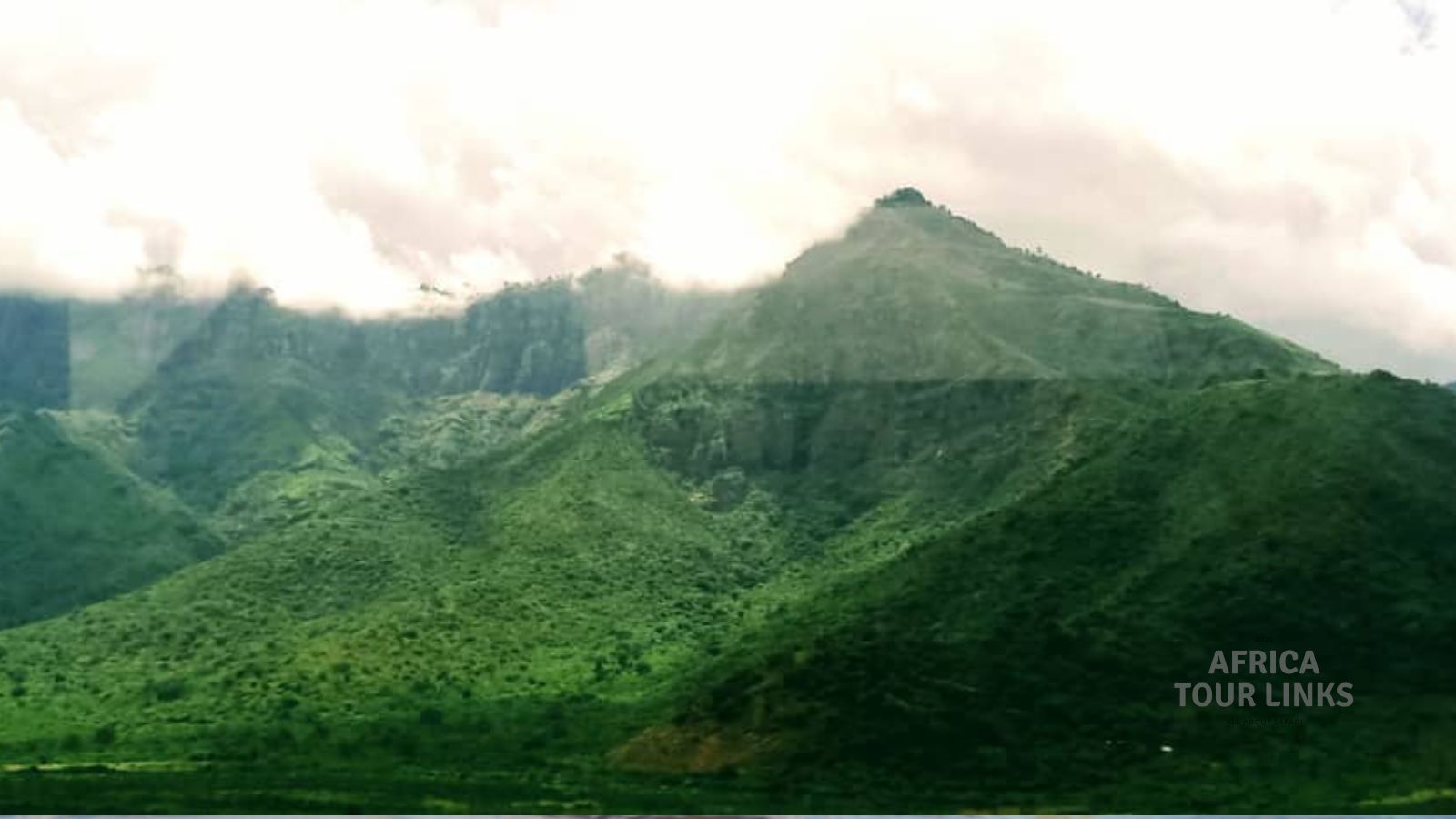
Nestled in northeastern Tanzania, the Usambara Mountains are among East Africa’s most beautiful and biologically important landscapes. Rising above the surrounding plains, these ancient mountains are part of the Eastern Arc Mountain chain, a region renowned for its exceptional biodiversity and high number of endemic species found nowhere else on Earth.
Unlike Tanzania’s famous safari destinations, the Usambara Mountains offer visitors a peaceful escape into lush forests, charming villages, fertile farmland, and panoramic viewpoints. The region attracts hikers, birdwatchers, nature lovers, and travellers seeking authentic cultural experiences away from the crowds.
Where Are the Usambara Mountains?
The Usambara Mountains are located in the Tanga Region of northeastern Tanzania, approximately 350 kilometres from Dar es Salaam and close to the border with Kenya.
The mountain range is divided into two main sections:

- West Usambara Mountains
- East Usambara Mountains
The two regions are separated by the Lwengera Valley but together form one of Africa’s most significant biodiversity hotspots.
The mountains rise to elevations of more than 2,400 meters above sea level, creating a cooler climate that supports dense forests and fertile agricultural land.
A Landscape Shaped by Millions of Years
The Usambara Mountains are part of the ancient Eastern Arc Mountains, which are believed to be more than 100 million years old.
Because these mountains have remained relatively stable for millions of years, they have become isolated ecological islands. This isolation has allowed many plants and animals to evolve independently, resulting in extraordinary levels of endemism.
Scientists often compare the biological importance of the Eastern Arc Mountains to famous biodiversity hotspots such as the Galápagos Islands because of their unique species and ecological significance.

Ancient Rainforests and Unique Ecosystems
One of the most remarkable features of the Usambara Mountains is their ancient rainforest ecosystem.
The forests receive moisture from the Indian Ocean, creating ideal conditions for lush vegetation throughout the year. Massive trees, moss-covered trunks, ferns, orchids, and rare flowering plants dominate many parts of the landscape.
These forests provide critical habitat for numerous species that exist nowhere else on Earth and play an important role in regulating water supplies for surrounding communities.
The forests also help reduce soil erosion and store significant amounts of carbon, making them valuable in the fight against climate change.
Incredible Biodiversity
The Usambara Mountains are internationally recognized for their exceptional biodiversity.
Researchers have recorded:
- More than 600 plant species
- Hundreds of bird species
- Numerous amphibians and reptiles
- Rare butterflies and insects
- Several endemic mammals
Many species found in the Usambara Mountains occur nowhere else in the world.
The region remains an important destination for scientists studying evolution, ecology, and conservation biology.
Birdwatching in the Usambara Mountains
Birdwatchers consider the Usambara Mountains one of Tanzania’s premier birding destinations.
The forests and mountain slopes support a wide variety of species, including several Eastern Arc endemics.
Bird enthusiasts may encounter colorful sunbirds, greenbuls, hornbills, turacos, eagles, and many forest specialists that are difficult to find elsewhere.
The combination of accessible trails, beautiful scenery, and diverse birdlife makes the mountains a paradise for both beginner and experienced birdwatchers.
Spectacular Viewpoints
The Usambara Mountains offer some of Tanzania’s most impressive viewpoints.
Irente Viewpoint
Perhaps the most famous viewpoint in the region, Irente Viewpoint provides breathtaking views across vast plains stretching toward Kenya. On clear days, visitors can see hundreds of kilometers into the distance.
The dramatic cliffs and sweeping panoramas make it one of the most photographed locations in the mountains.
Mtae Viewpoint
Located near the northern edge of the mountain range, Mtae Viewpoint offers another spectacular perspective over valleys, villages, and distant landscapes.
Sunrise and sunset are particularly memorable times to experience the view.
Hiking and Nature Walks
The Usambara Mountains are among Tanzania’s best destinations for hiking.
Unlike the strenuous climb of Mount Kilimanjaro, hiking here is accessible to a wide range of visitors.
Popular activities include:
- Forest walks
- Village-to-village trekking
- Multi-day hiking adventures
- Birdwatching excursions
- Nature photography
Trails pass through forests, farms, waterfalls, and traditional villages, allowing visitors to experience both nature and local culture.
Traditional Villages and Local Culture
The mountains are home to several ethnic communities that have lived in the region for generations.
Visitors can explore traditional villages, learn about local farming practices, and experience Tanzanian hospitality.
Agriculture plays a major role in the local economy, with farmers producing:
- Vegetables
- Fruits
- Coffee
- Tea
- Spices
Terraced farms cover many mountain slopes, creating beautiful landscapes that blend human activity with the natural environment.
Conservation Importance
The Usambara Mountains face several conservation challenges, including deforestation, agricultural expansion, and population growth.
However, numerous conservation initiatives are helping protect the region’s unique biodiversity.
Local communities, government agencies, and international conservation organizations work together to preserve forests, restore degraded habitats, and promote sustainable tourism.
These efforts are essential for safeguarding one of Africa’s most important ecological regions for future generations.
Why Visit the Usambara Mountains?
While Tanzania is famous for safaris and beaches, the Usambara Mountains offer a completely different experience.
Visitors can enjoy:
- Cool mountain climate
- Ancient rainforests
- Spectacular viewpoints
- Rich birdlife
- Scenic hiking trails
- Traditional villages
- Unique biodiversity
- Authentic cultural encounters
The combination of natural beauty, ecological importance, and peaceful surroundings makes the Usambara Mountains one of Tanzania’s most rewarding destinations.
The Usambara Mountains represent one of East Africa’s hidden gems. Their ancient forests, remarkable biodiversity, stunning viewpoints, and vibrant local communities create a destination unlike any other in Tanzania.
For travelers seeking nature, adventure, and authentic experiences beyond the traditional safari circuit, the Usambara Mountains provide an unforgettable journey into one of Africa’s most extraordinary mountain landscapes.
Location: Tanga Region, Northeastern Tanzania | Mountain Range: Eastern Arc Mountains | Highest Elevation: Over 2,400 meters | Climate: Cool and humid mountain climate | Famous Attractions: Irente Viewpoint, Mtae Viewpoint, Amani Nature Reserve | Main Activities: Hiking, birdwatching, nature walks, cultural tourism, photography | Biodiversity: Hundreds of endemic plant and animal species | Best Time to Visit: June to October and December to February | Conservation Status: One of Africa’s most important biodiversity hotspots | Nearest Major City: Tanga