

Tanzania Safari Guide: Discover Serengeti, Ngorongoro & Tarangire
Tanzania Safari: Best National Parks, Wildlife & Travel Guide
By Africa tour links
“Tanzania is one of Africa’s most remarkable safari destinations. From the endless plains of the Serengeti to the dramatic Ngorongoro Crater and the elephant-rich landscapes of Tarangire, the country offers an extraordinary combination of wildlife, landscapes, culture and adventure.
For travellers looking for an authentic African safari, Tanzania provides the opportunity to experience nature on a spectacular scale – while also meeting the people and communities who live alongside these protected areas”.
Choose Tanzania for a Safari
A safari in Tanzania is about much more than ticking animals off a list. It is about experiencing a living ecosystem where wildlife, landscapes and local communities are connected.
The country’s northern safari circuit brings together several internationally recognised destinations within one journey. Serengeti, Ngorongoro and Tarangire each offer something different, making it possible to experience a wide variety of landscapes and wildlife during the same trip.
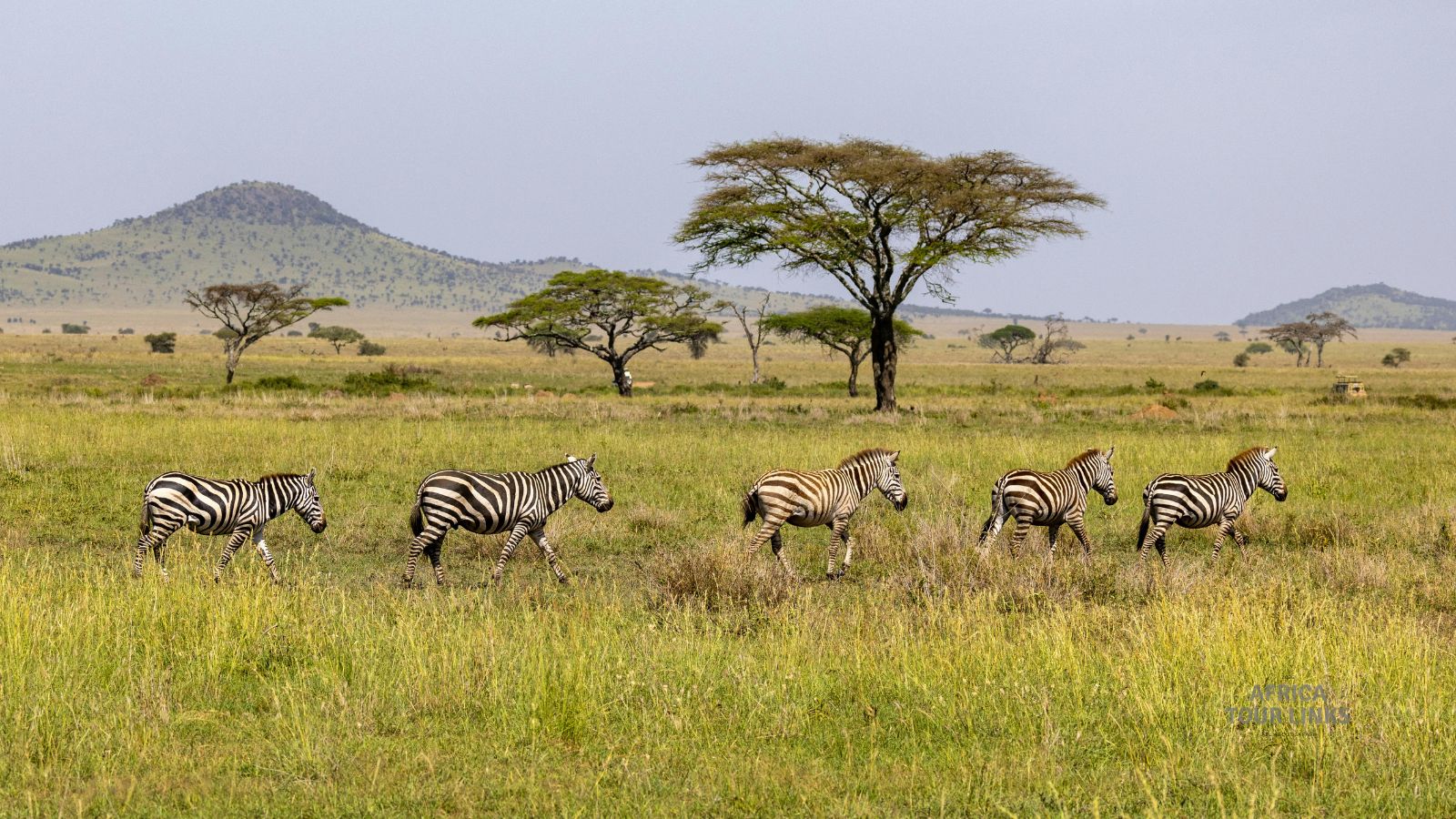
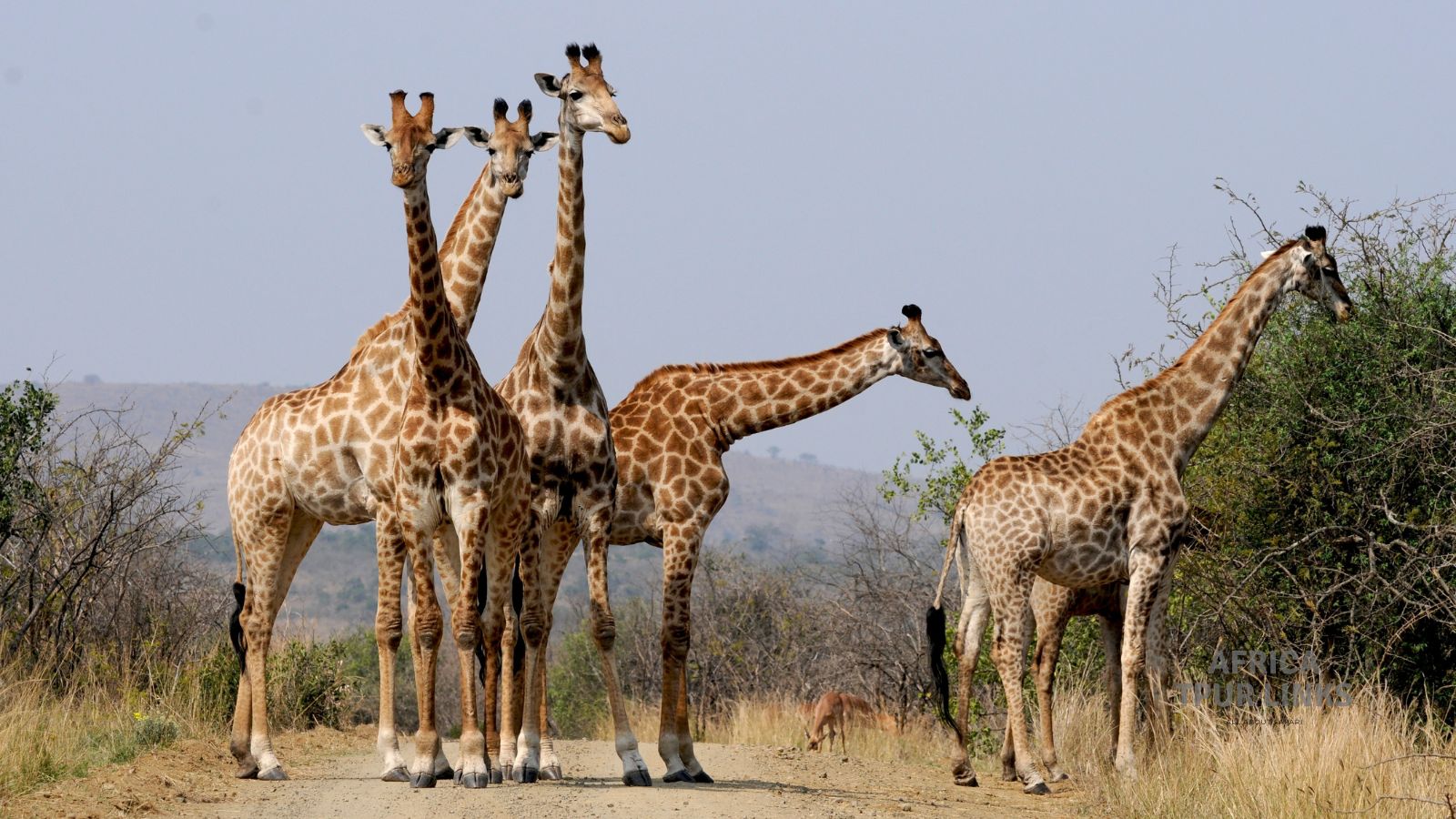
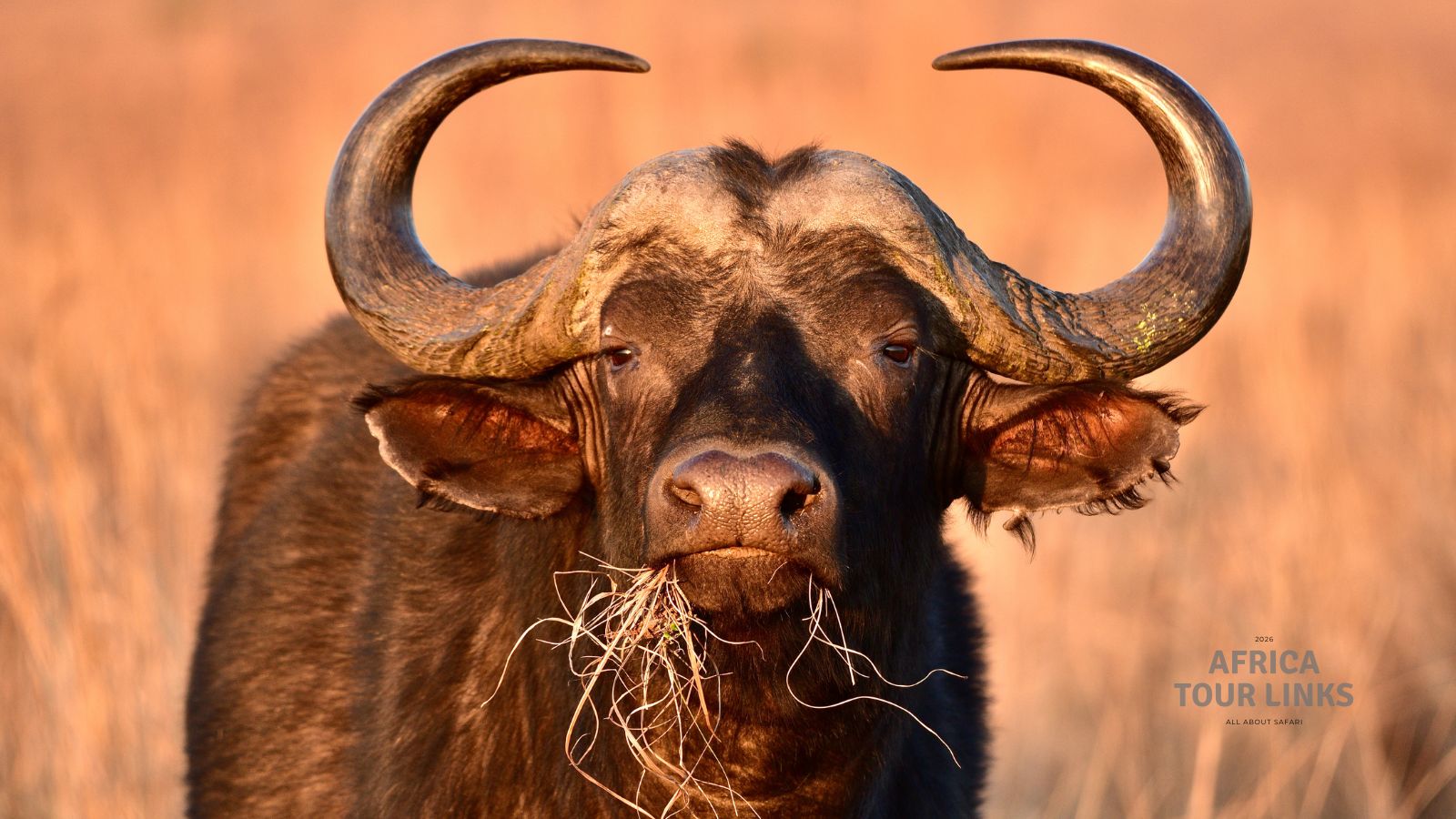
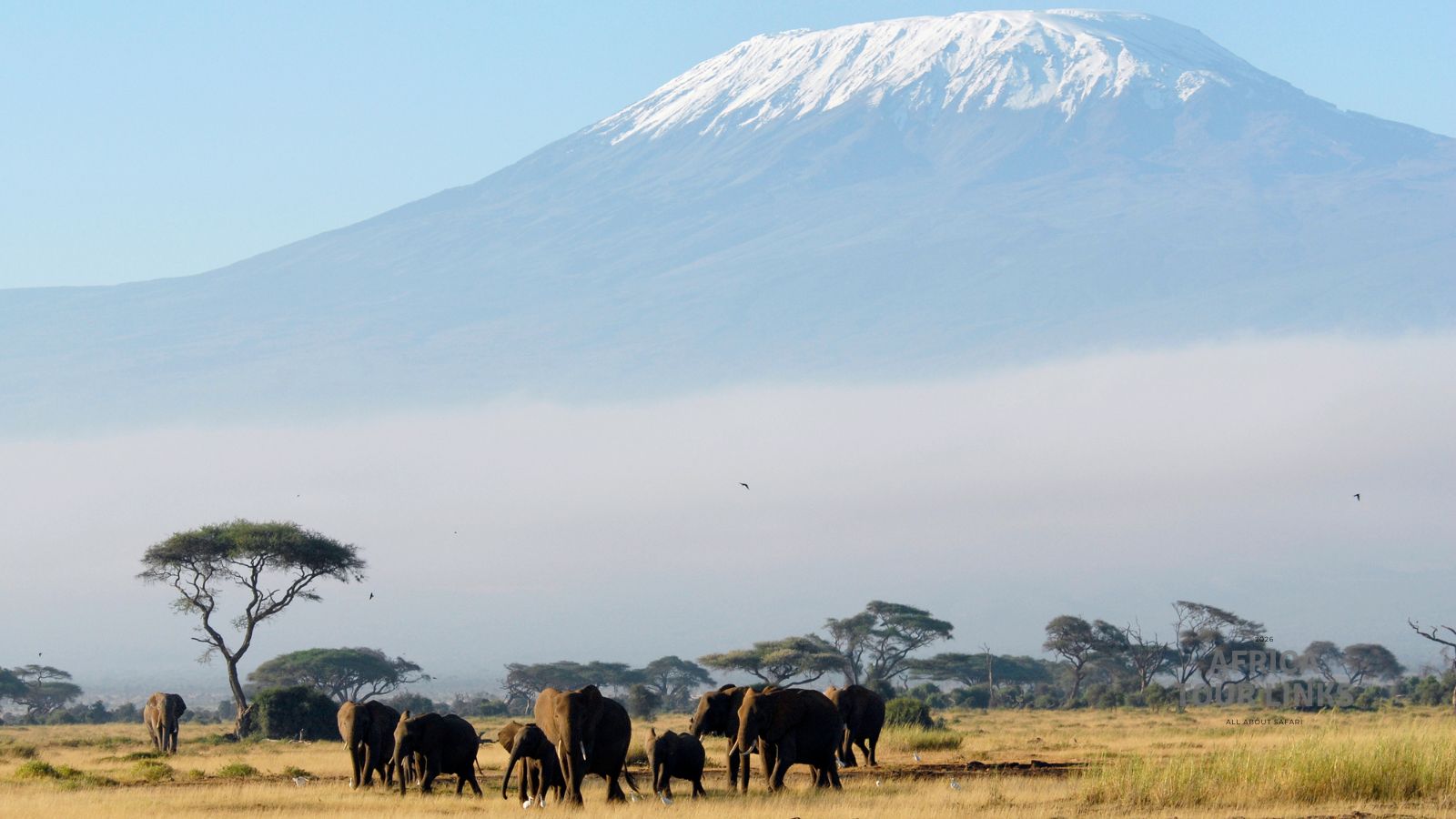
Tanzania is also home to some of Africa’s most famous wildlife species, including elephants, lions, leopards, buffaloes, giraffes, zebras, hippos and rhinos.
For photographers, nature lovers and first-time safari travellers alike, Tanzania offers countless opportunities to observe wildlife in its natural surroundings.
 |
 |
 |
Serengeti – The heart of the Tanzanian safari
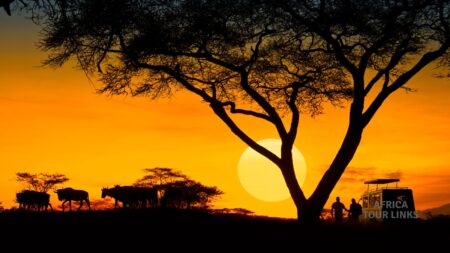
The Serengeti is perhaps the name most closely associated with safari in Africa.
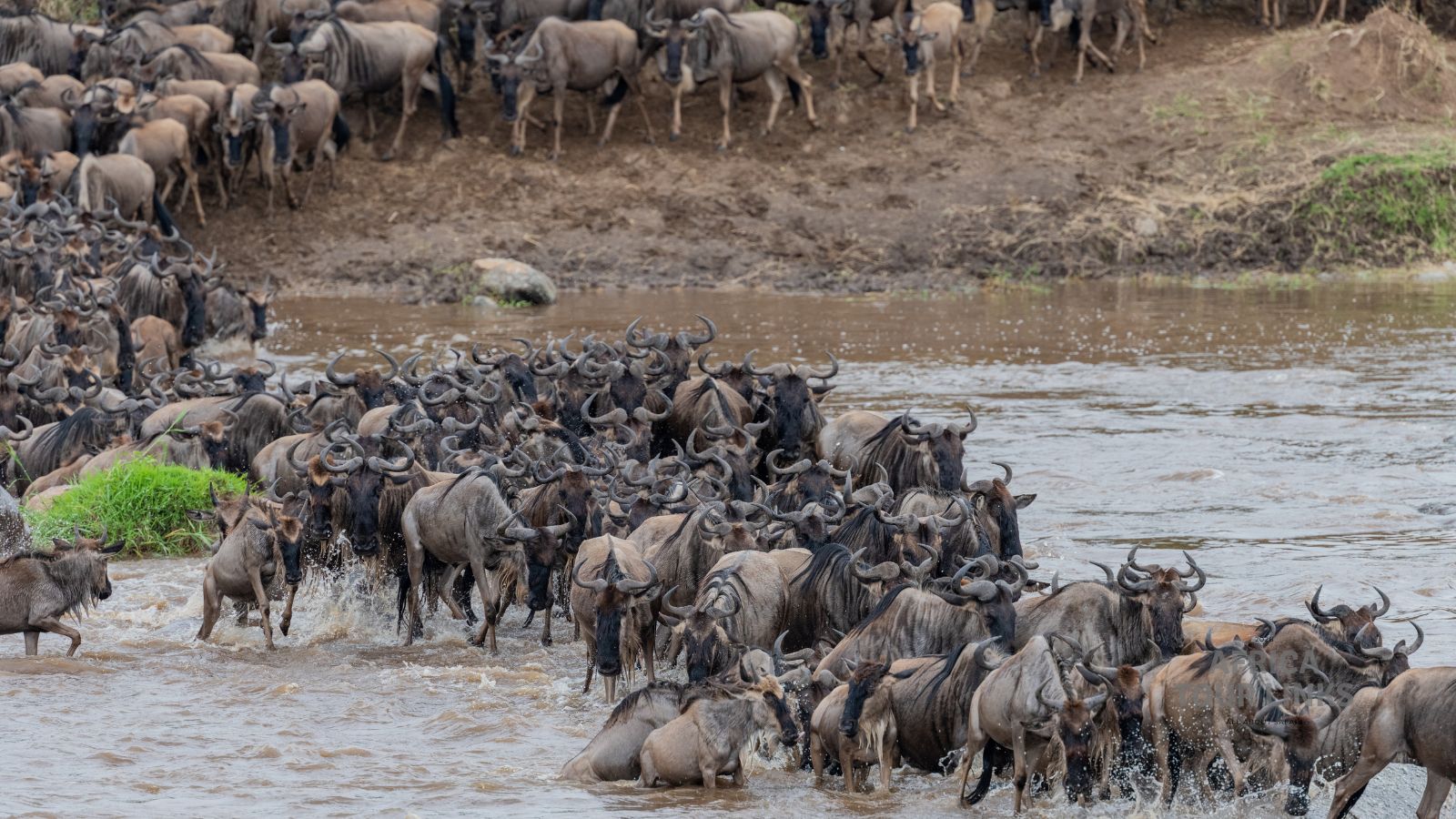
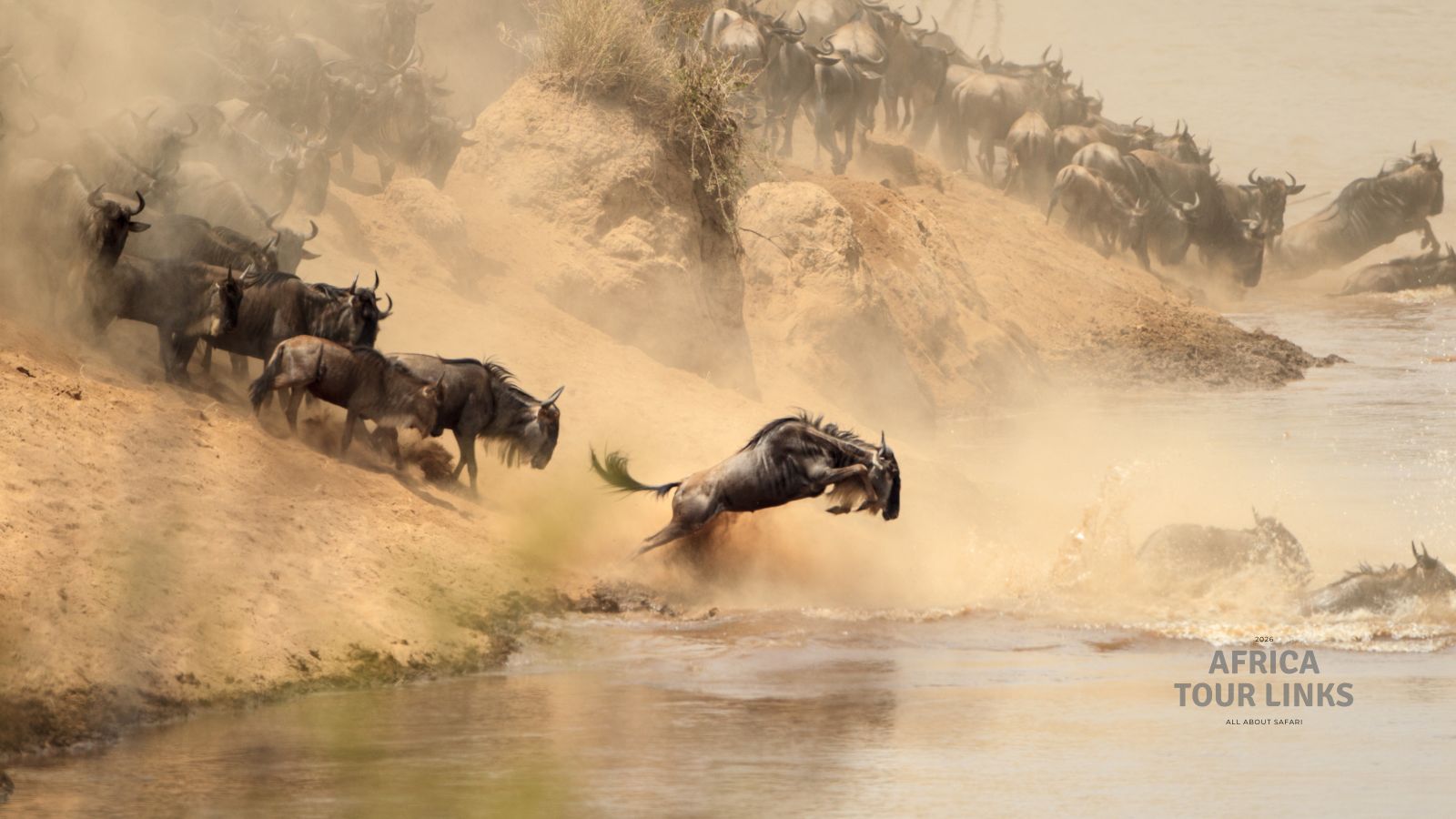
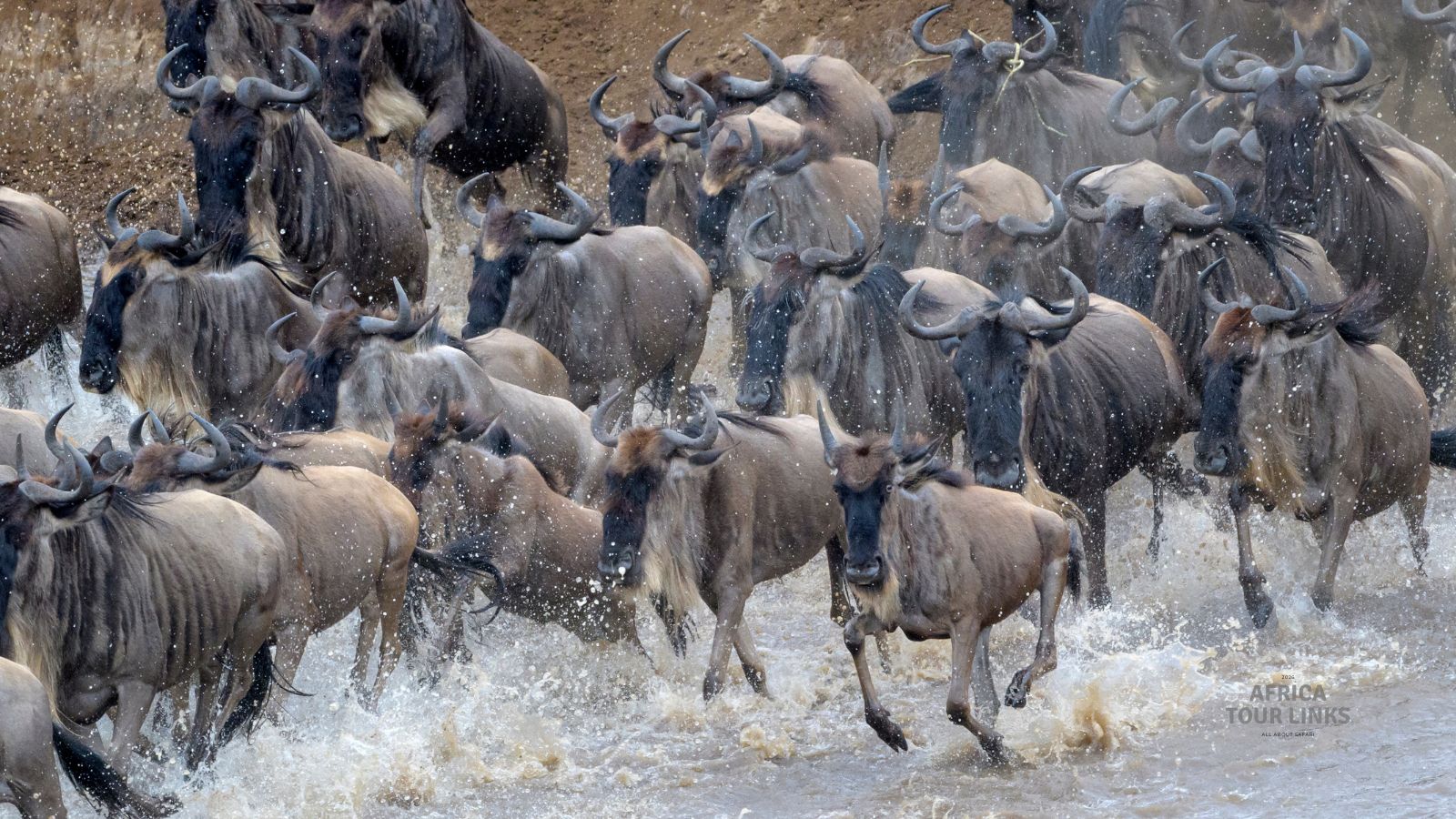
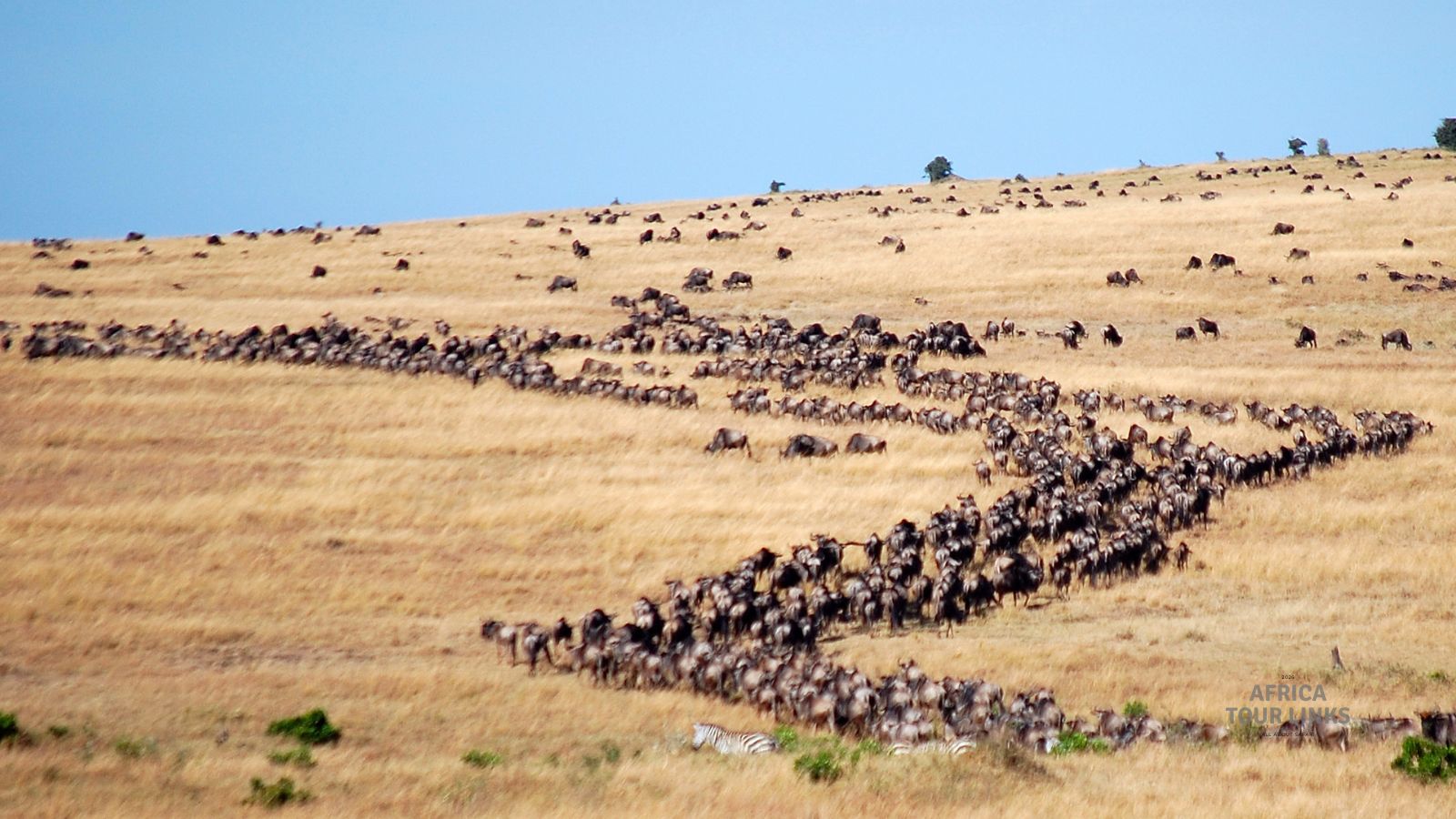
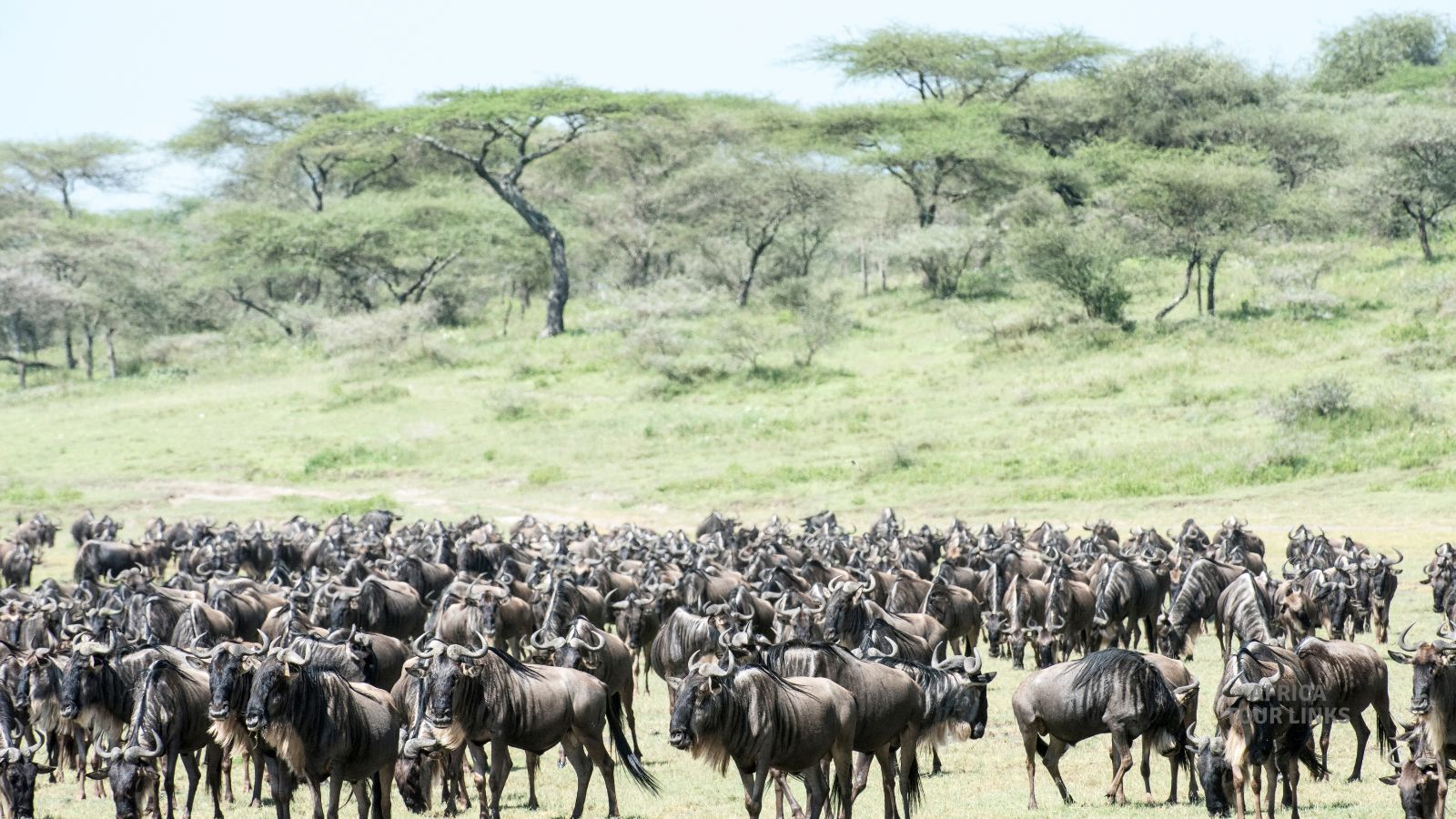
Its vast plains create the setting for one of the world’s greatest natural spectacles: the Great Migration. More than a million wildebeest, together with large numbers of zebra and gazelles, move through the ecosystem in search of fresh grass and water.
But the Serengeti is not only about migration.
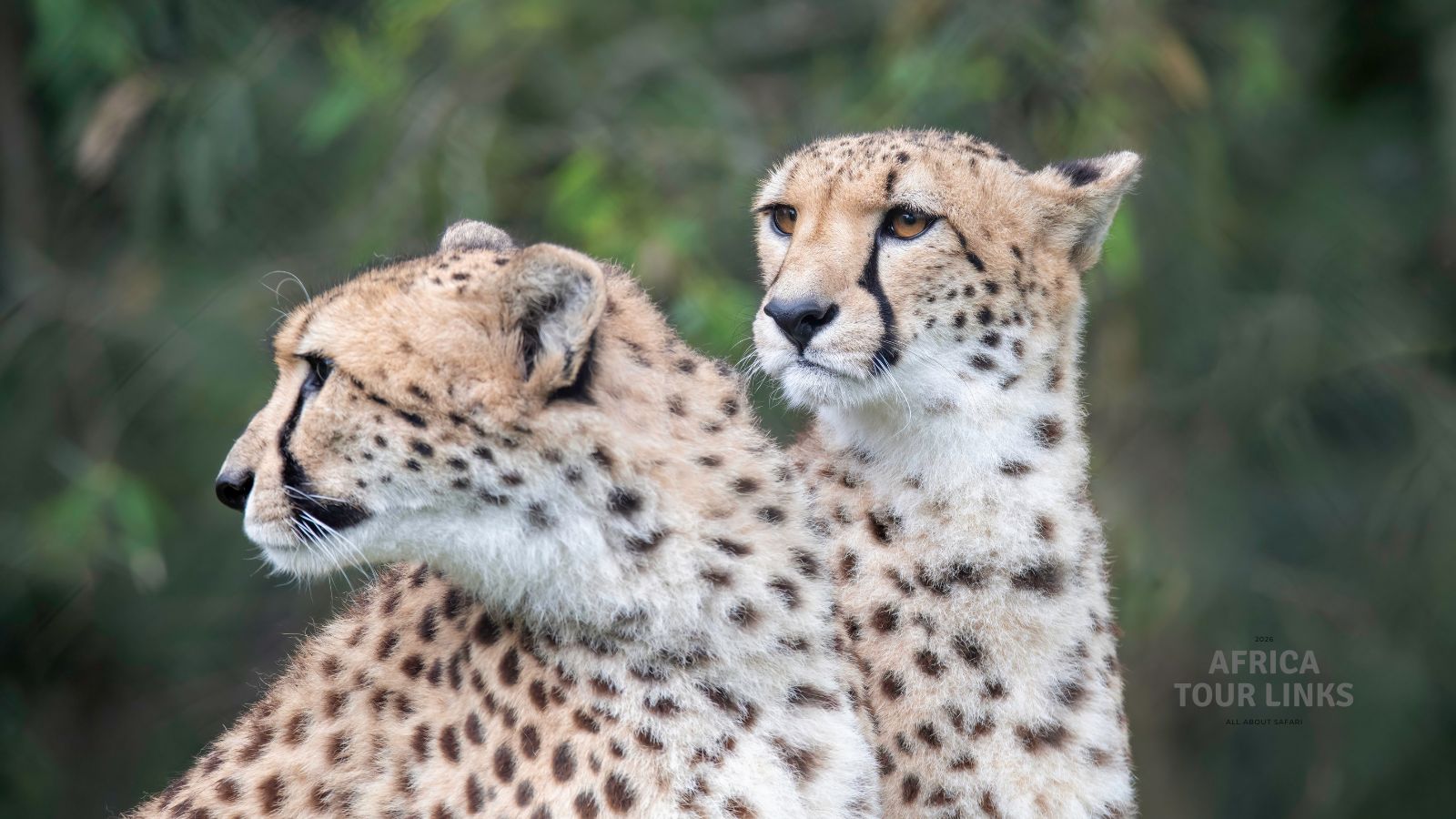
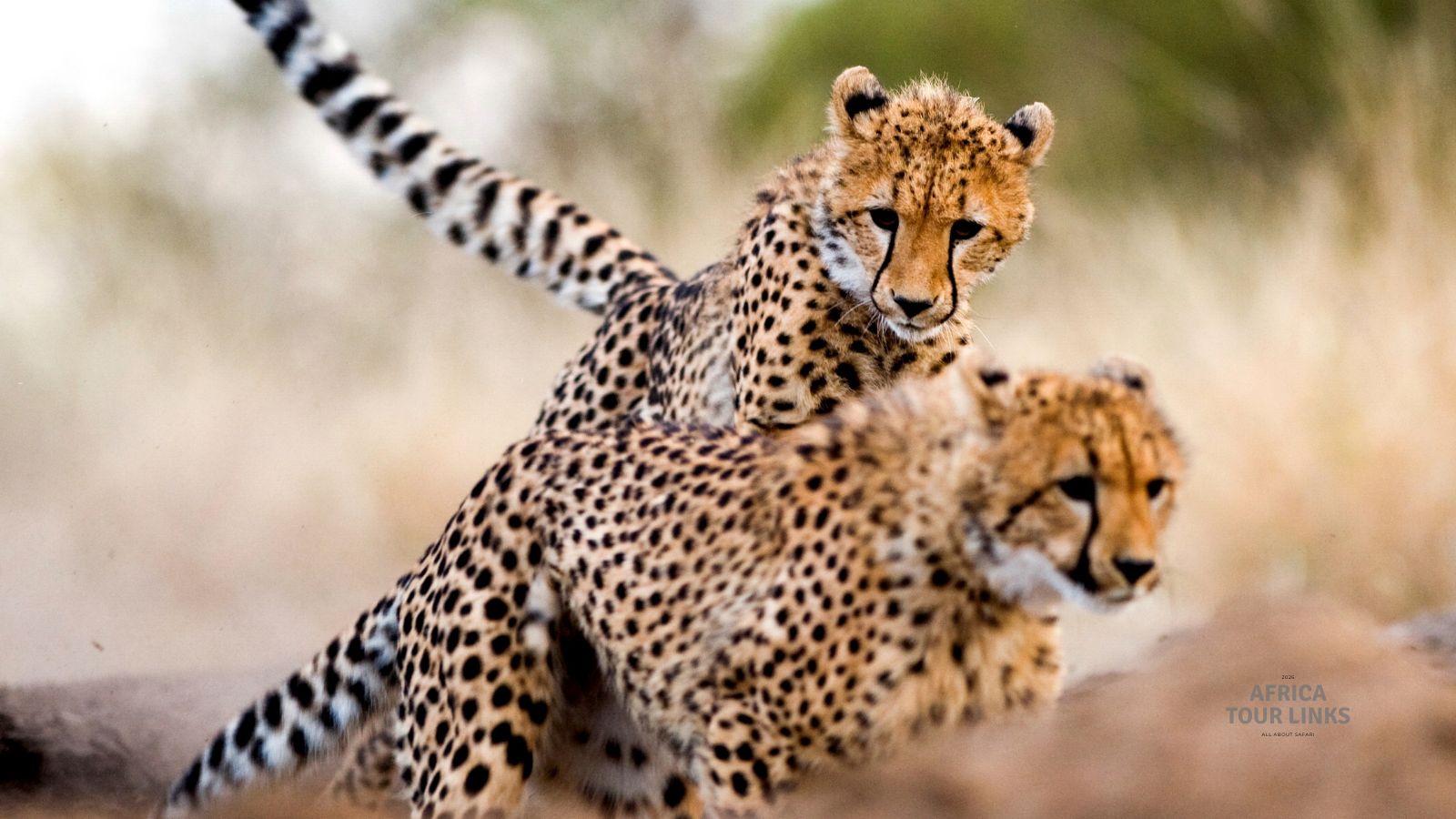
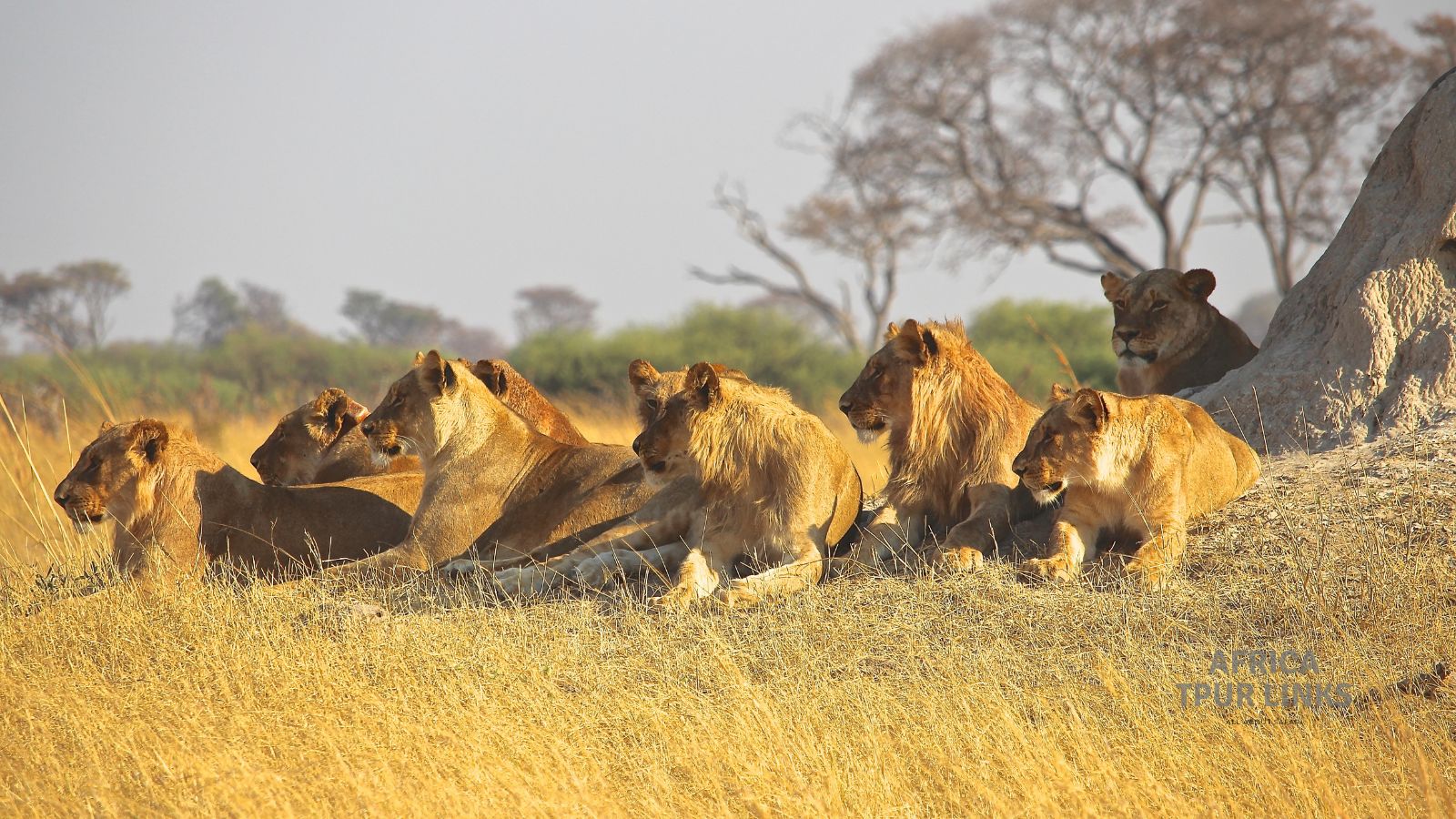
Throughout the year, travellers can encounter lions resting beneath trees, cheetahs hunting across the plains, hyenas moving through the grasslands and elephants crossing the open landscape.
And then there is the leopard.
 |
 |
 |
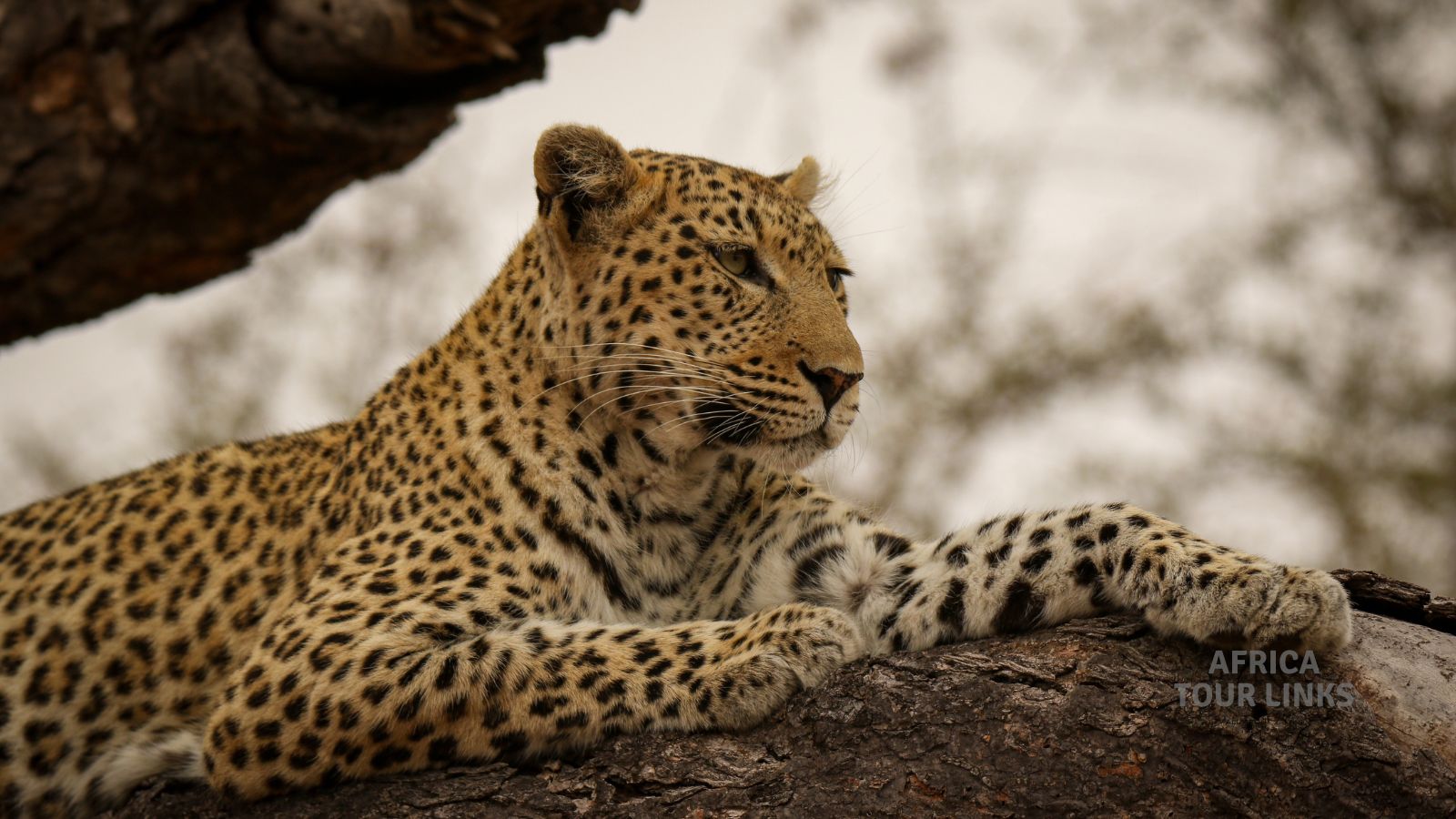
Searching for the Elusive Leopard
Few safari encounters are as exciting as seeing a leopard.
Leopards are masters of camouflage and can disappear almost completely into vegetation, rocks and trees. Unlike some of the larger animals, they are not always easy to spot.
This makes finding one a genuine safari achievement.
Experienced guides know that patience is often just as important as luck. A seemingly ordinary group of rocks, a tree with dense branches or an unusual gathering of birds may provide a clue that a predator is nearby.
When a leopard finally appears, even for a few seconds, the moment can become one of the most memorable experiences of an entire safari.
 |
 |
 |
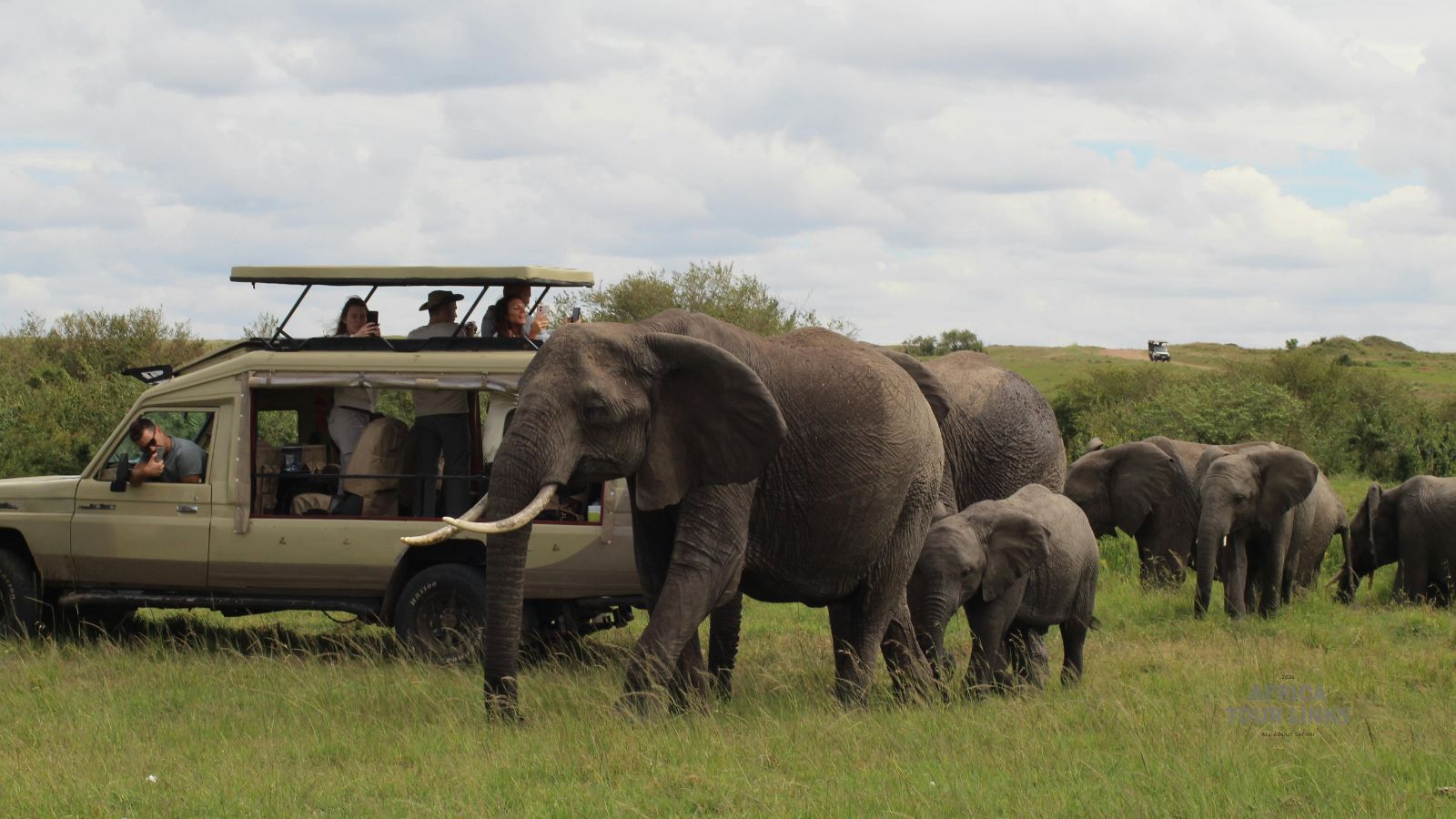
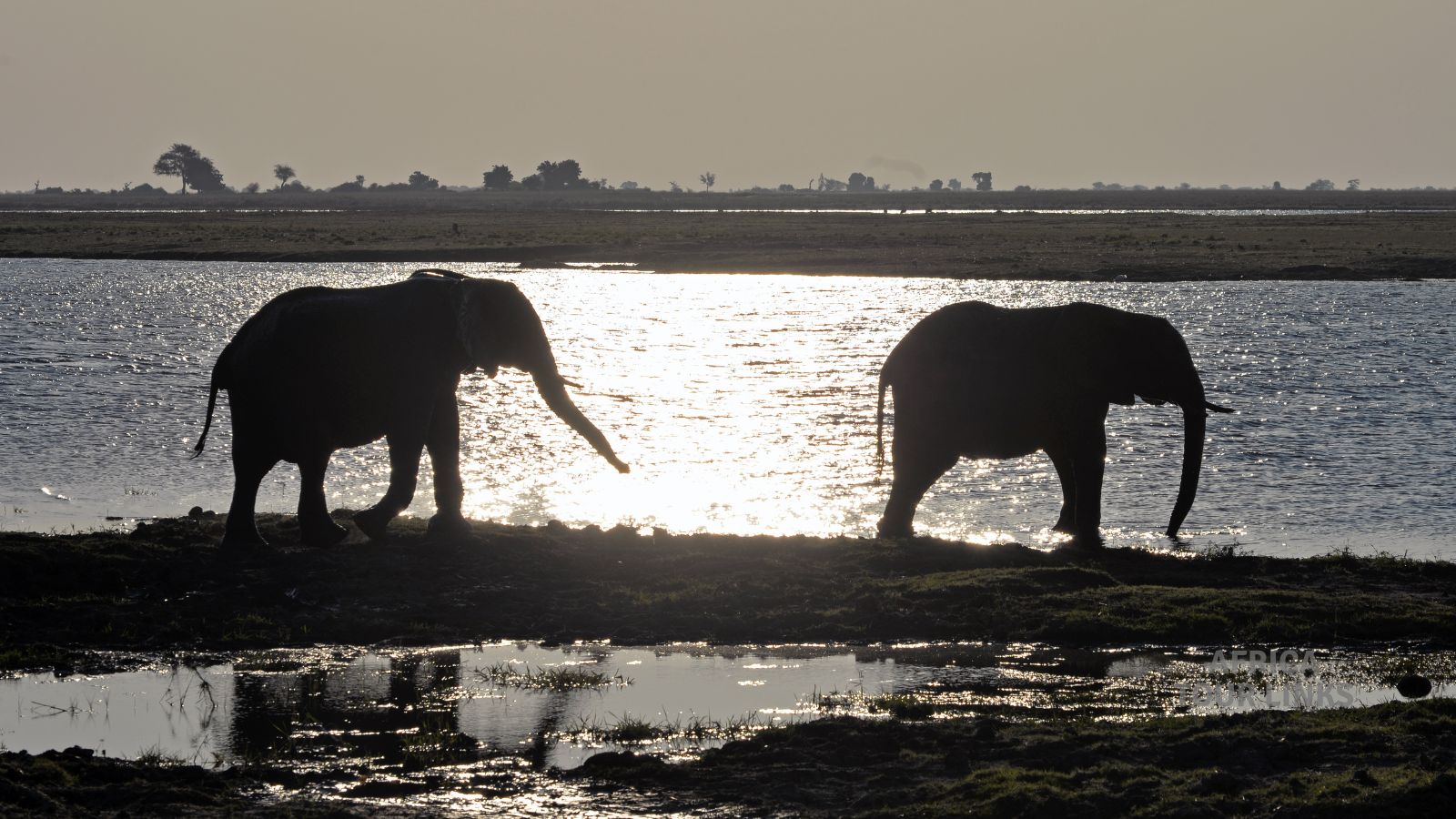
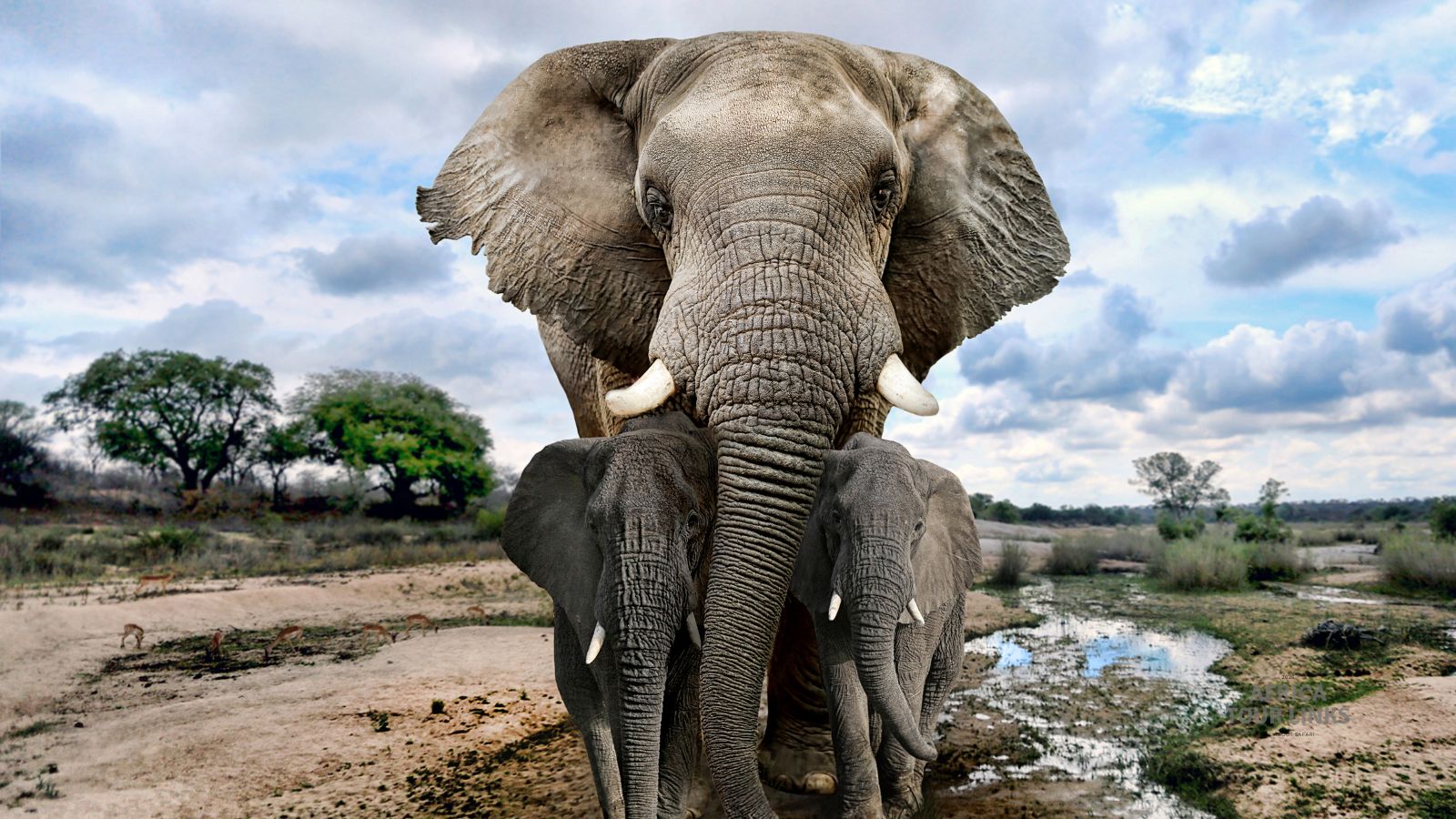
Tarangire – A Paradise for Elephants
Tarangire National Park offers a very different safari experience.
The park is famous for its large elephant populations and its impressive baobab trees. During the dry season, the Tarangire River becomes an important source of water, attracting wildlife from the surrounding areas.
Visitors may encounter elephants, lions, buffaloes, giraffes, zebras and many species of birds.
Compared with the Serengeti, Tarangire can also provide a quieter safari atmosphere. For travellers who want to spend time observing animals rather than simply moving from one sighting to another, the park can be an excellent addition to a northern Tanzania itinerary.
 |
 |
 |
Ngorongoro Crater – A Natural Wildlife Amphitheatre
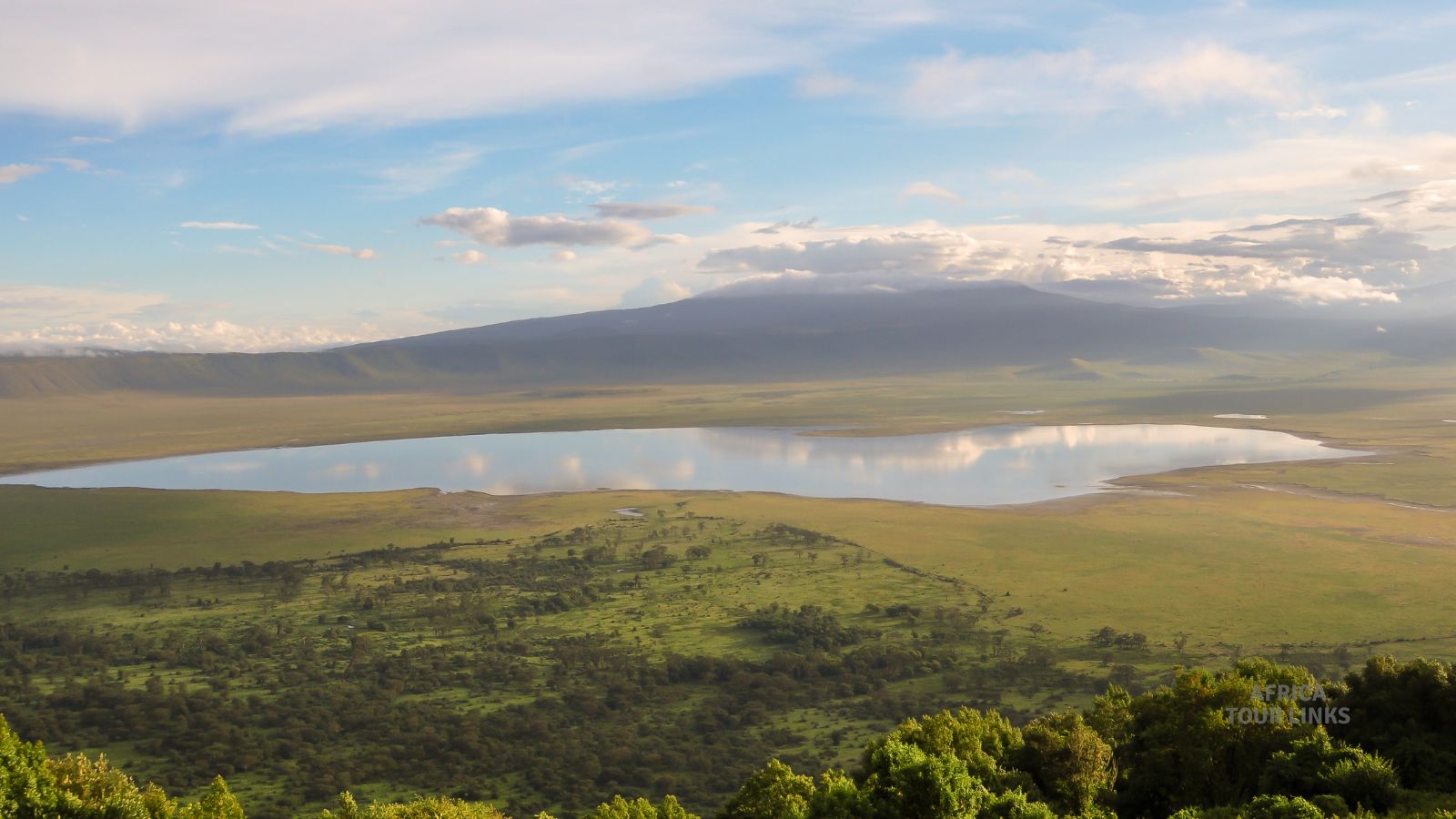
The Ngorongoro Crater is one of Tanzania’s most extraordinary landscapes.
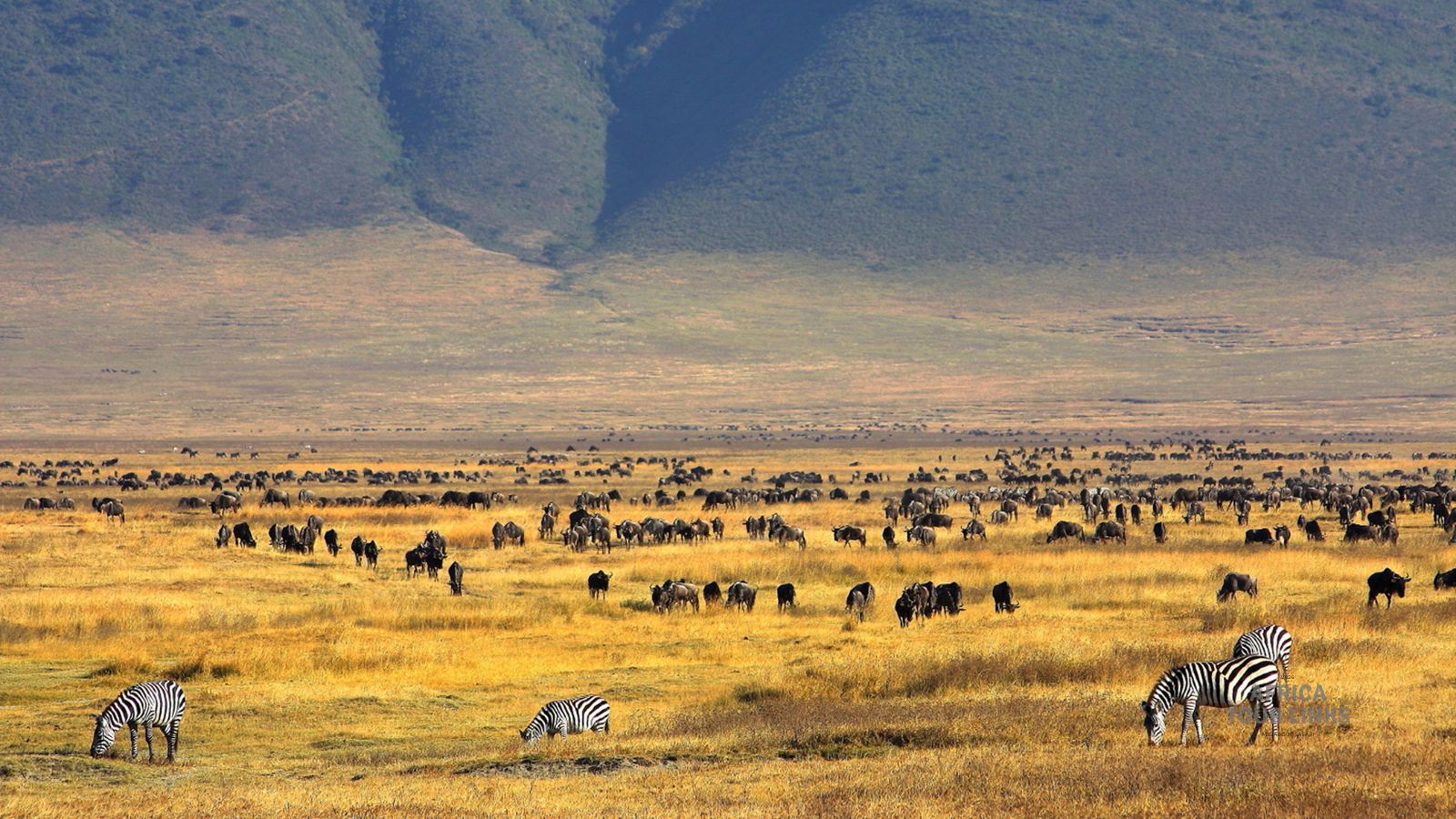
This enormous volcanic caldera contains a remarkably concentrated population of wildlife. From the crater rim, visitors can look down across grasslands, wetlands and other habitats where large numbers of animals live.
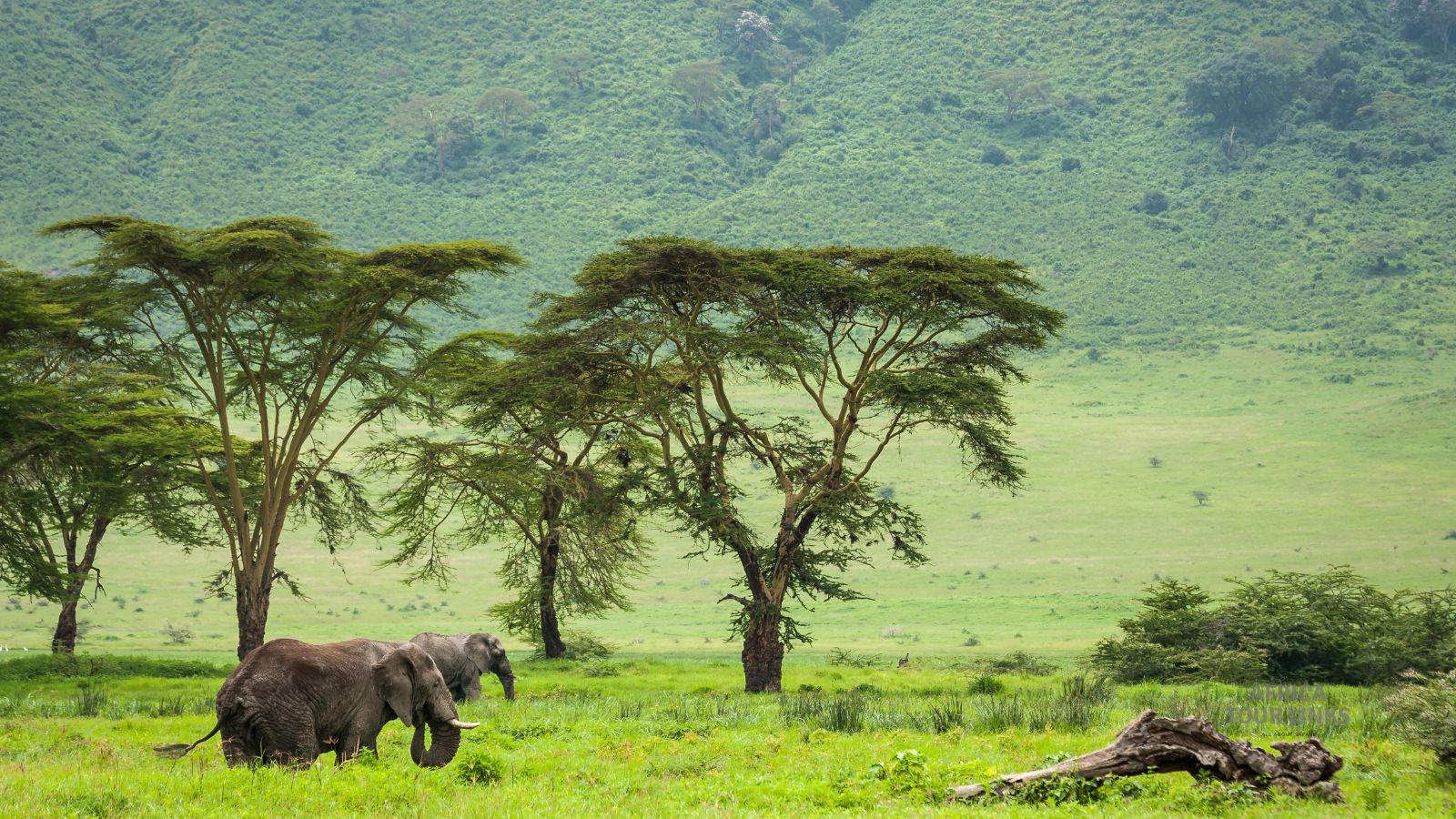
Elephants, buffaloes, lions, hippos and numerous antelope species can be encountered in the crater, while the area is also known for its black rhinos.
The combination of dramatic scenery and abundant wildlife makes Ngorongoro a natural highlight of a northern Tanzania safari.
 |
 |
 |
The Maasai and the Landscape of Ngorongoro
Ngorongoro is also important because it is not simply a wildlife destination.
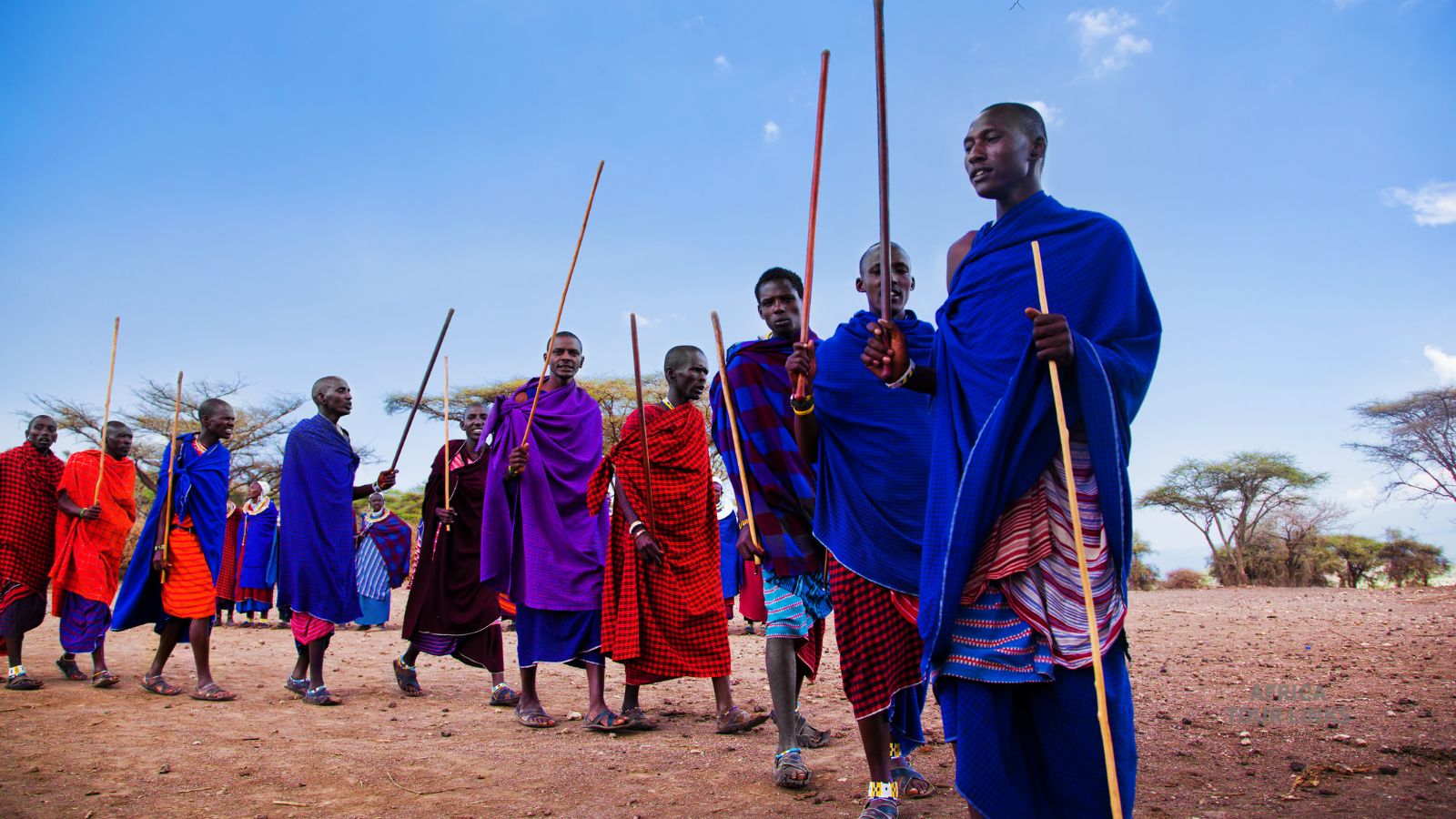
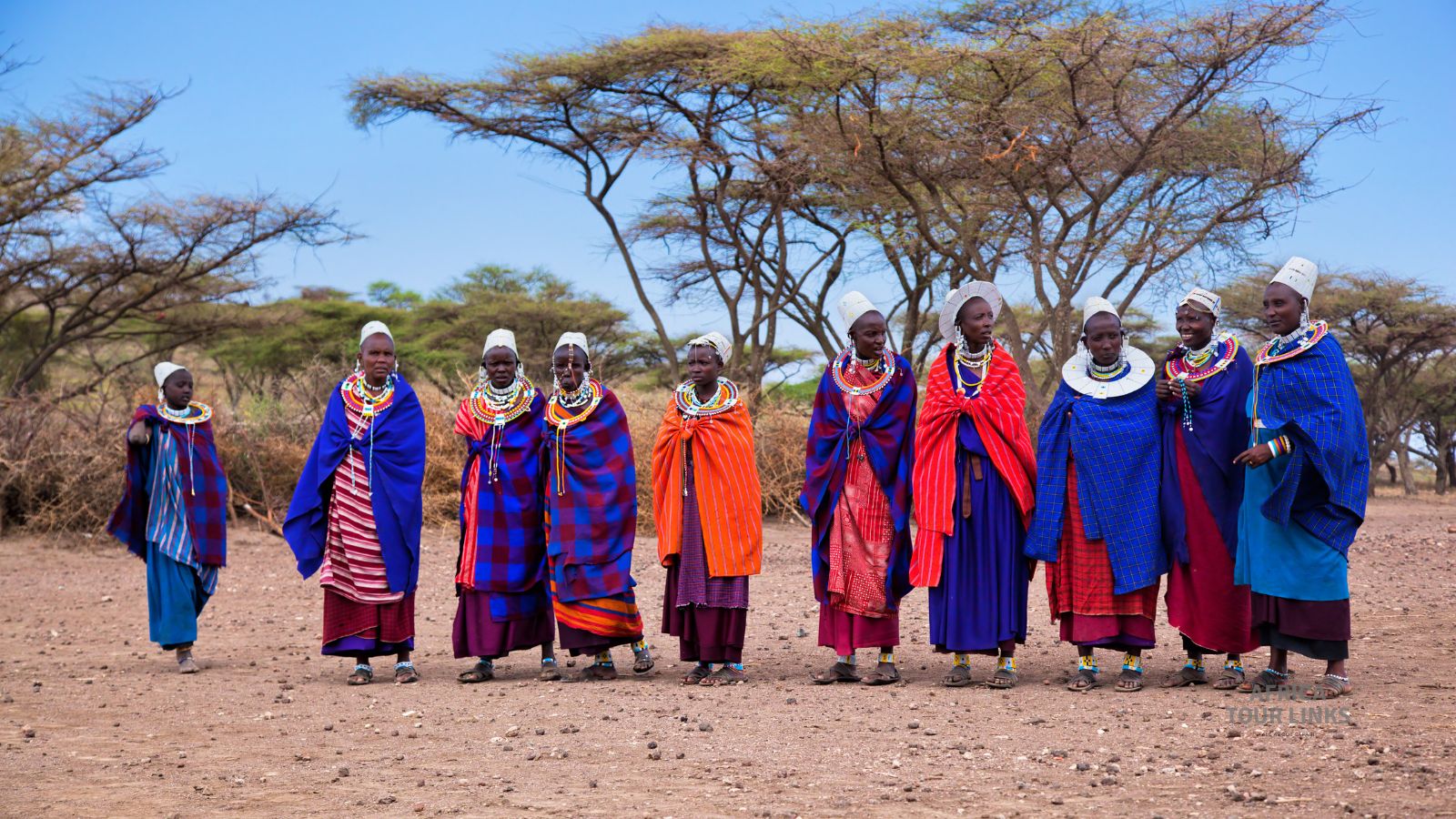
The wider Ngorongoro Conservation Area has long been associated with Maasai communities and traditional pastoralist lifestyles.
Maasai communities have strong cultural and historical connections to the landscape. Cattle play an important role in their traditional way of life, and their presence is part of the complex relationship between people, livestock, wildlife and conservation in northern Tanzania.
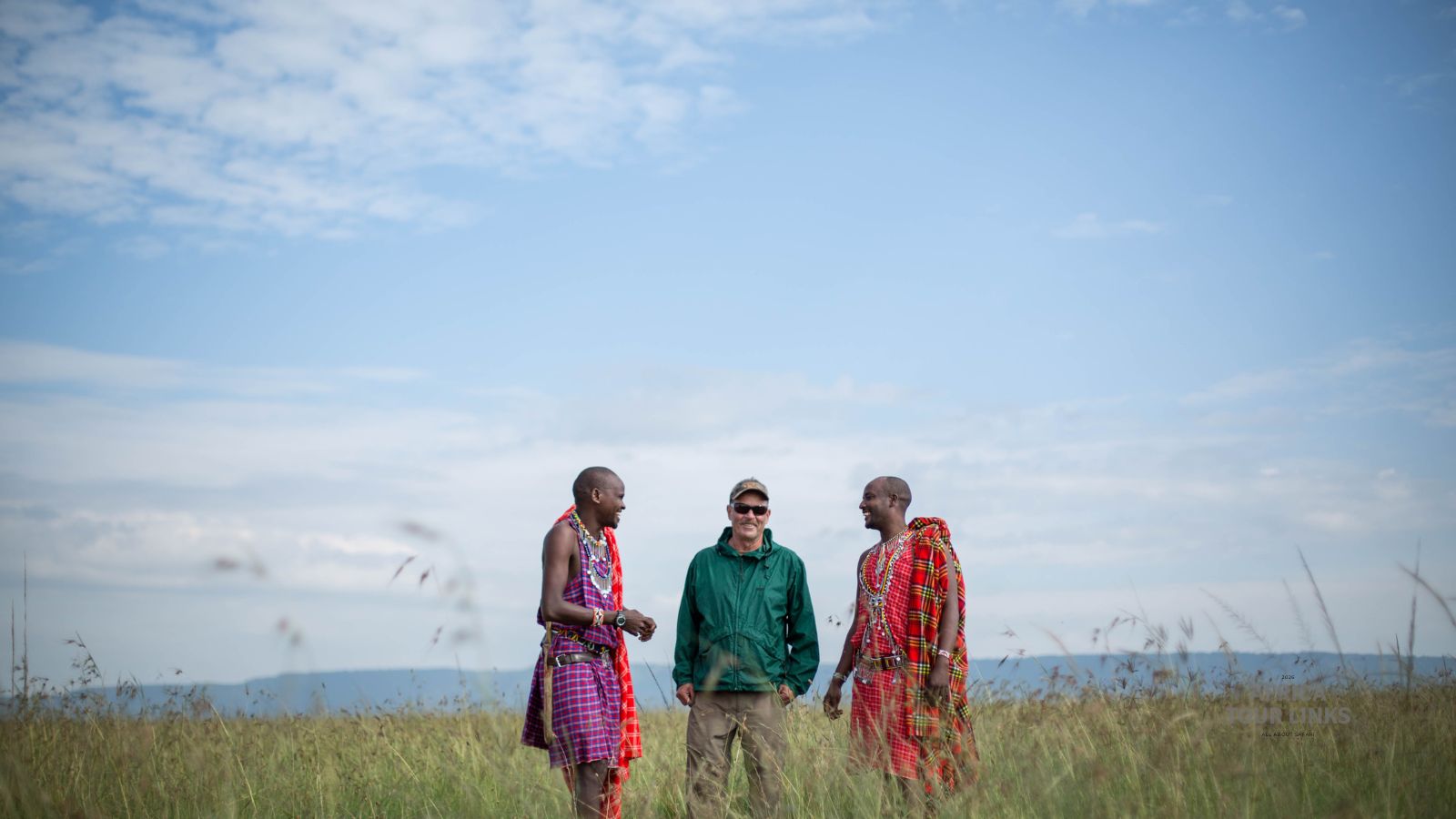
For visitors, cultural experiences can add another dimension to a safari. Instead of seeing Tanzania only through the windows of a safari vehicle, travellers can learn more about the people and traditions connected to the land.
 |
 |
 |
Lions in Trees – An Unexpected Safari Sight
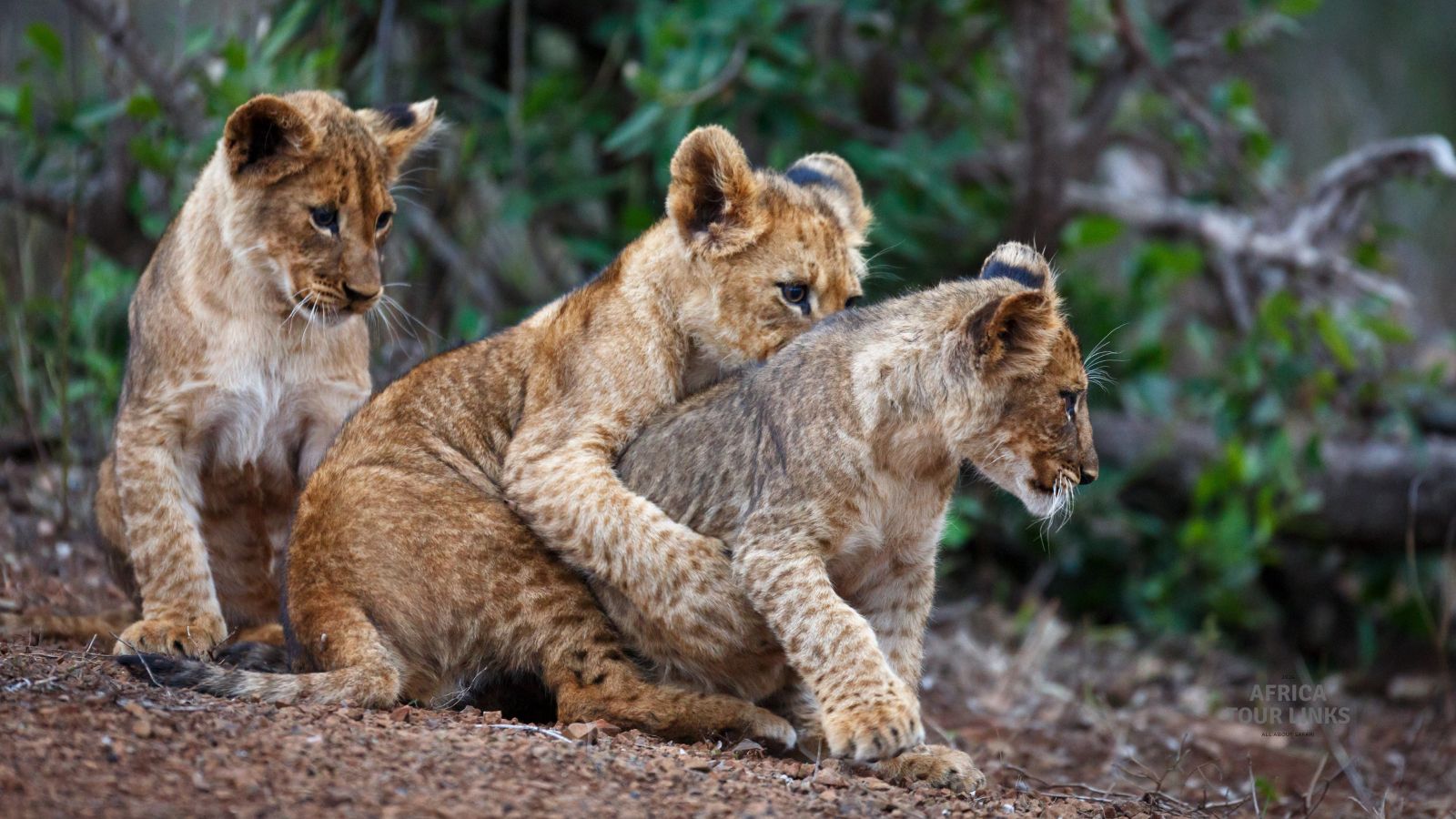
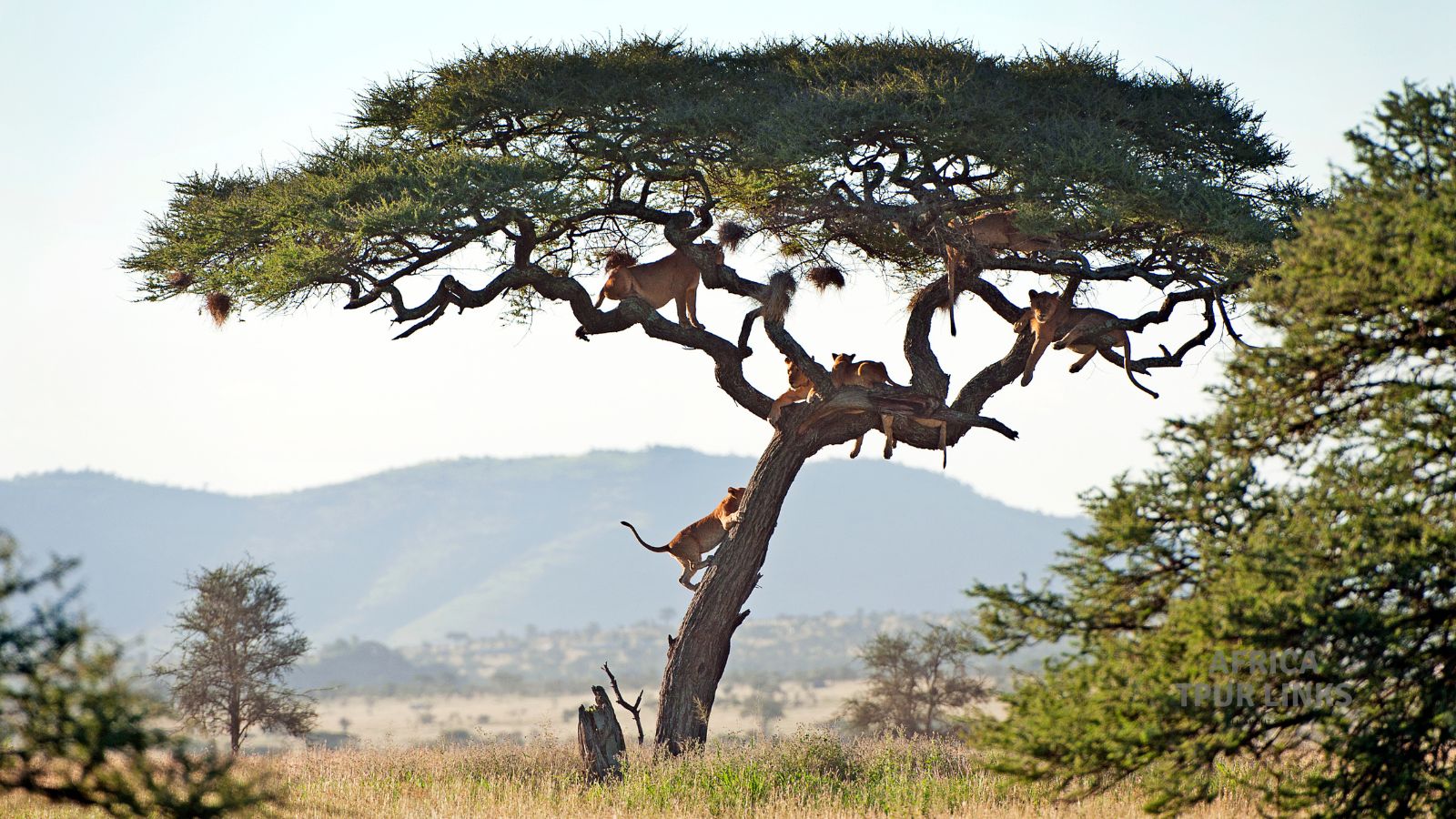
Lions are normally associated with open grasslands, but in parts of Tanzania they can sometimes be seen climbing trees.
Seeing a pride of lions resting several metres above the ground is an unusual and memorable sight.
Tree-climbing lions have been observed in areas including the Serengeti and Lake Manyara region. Researchers have suggested several possible reasons for this behaviour, including seeking shade, gaining a better view of the surrounding landscape and avoiding insects on the ground.
As with all wildlife encounters, however, there are no guarantees.
That uncertainty is part of what makes safari so exciting.
 |
 |
 |
A Safari After Dark
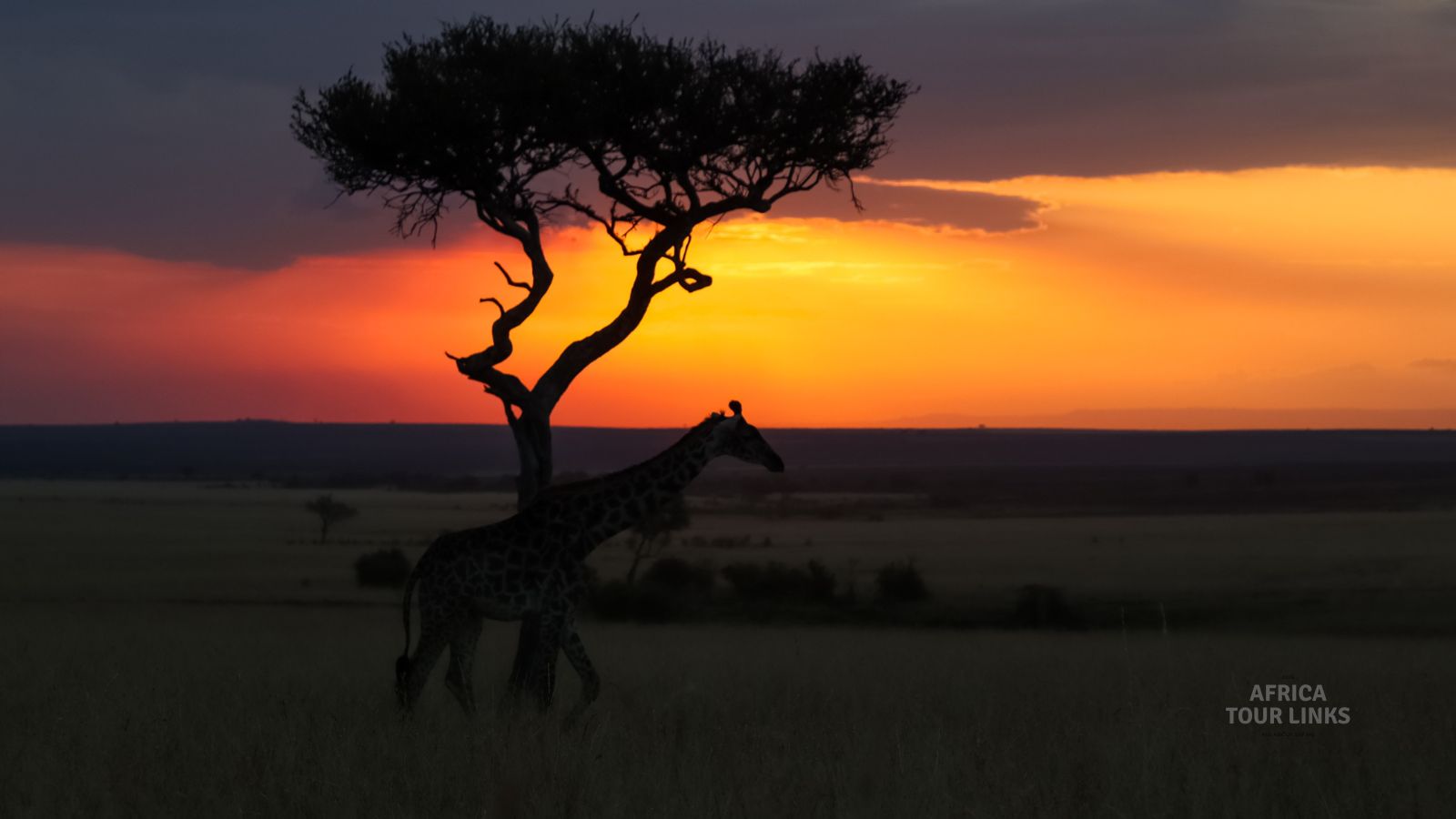
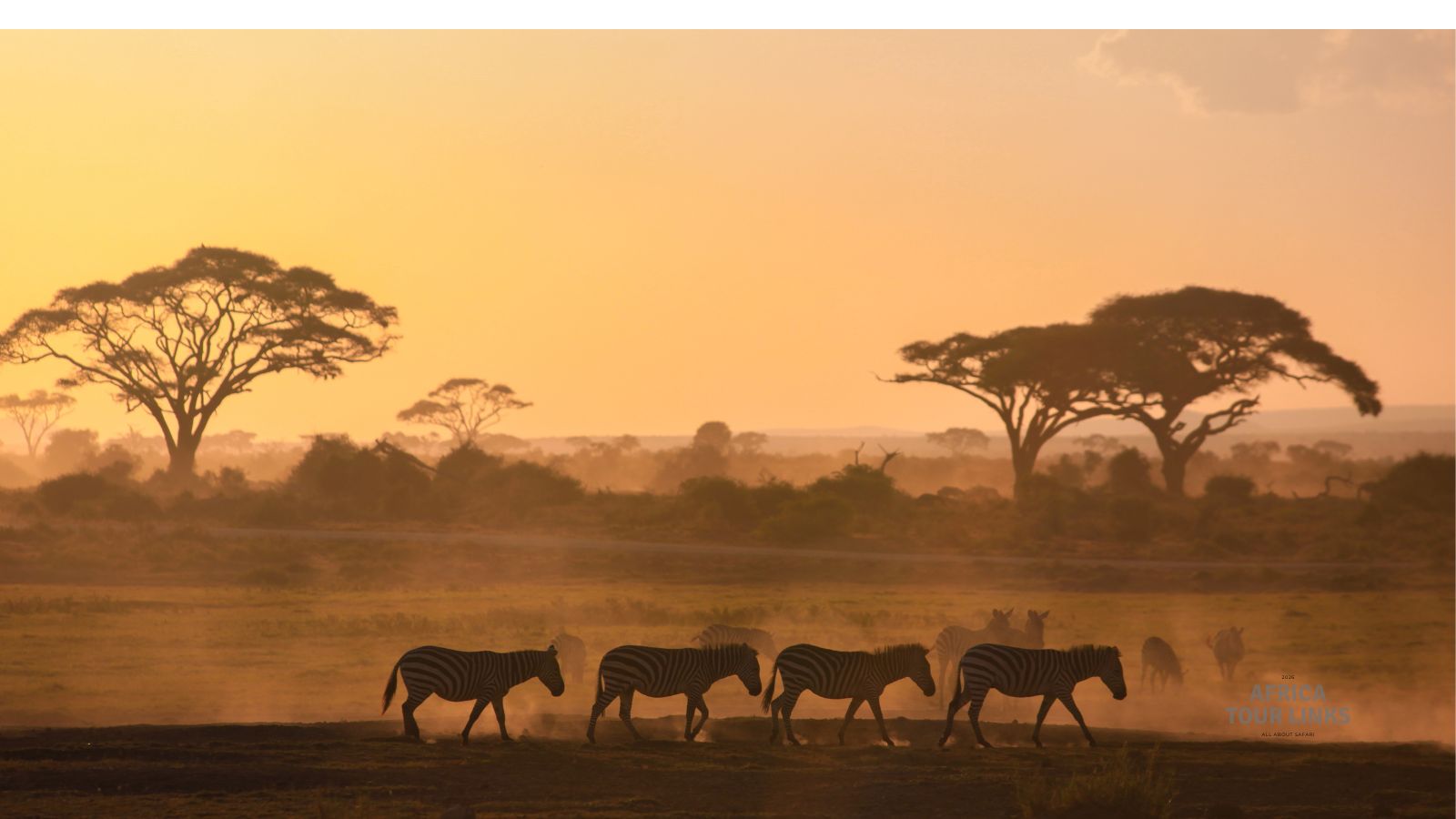
Some of the most memorable safari experiences happen after sunset.
When the sun disappears over the savannah, the atmosphere changes completely. The sounds of the African night become more noticeable, and animals that are rarely active during the day begin to move.
The call of hyenas, the distant roar of lions and the movement of animals through the darkness create an entirely different experience from a daytime game drive.
Travellers staying in tented camps may find themselves particularly aware of the wildlife around them. A flashlight or headlamp becomes an essential piece of equipment, especially when moving between tents at night.
The night reminds visitors that they are not simply watching nature – they are temporarily living within it.
 |
 |
 |
Hippos – Powerful Giants of the Water
Hippos are another unforgettable part of Tanzania’s wildlife.
During the heat of the day, they spend much of their time in water, often gathering in groups. Their eyes, ears and nostrils remain above the surface while the rest of their enormous bodies are submerged.
Despite their apparently relaxed appearance, hippos are powerful and territorial animals and should always be observed from a safe distance.
Their role in the ecosystem is also important. By moving between water and land and returning nutrients to aquatic environments, hippos contribute to the functioning of the ecosystems they inhabit.
The Great Migration – One of Nature’s Greatest Journeys
The Great Migration is one of the main reasons travellers dream of visiting the Serengeti.
The movement of wildebeest, zebra and gazelles is driven by rainfall, fresh grazing and the availability of water. The animals continually move through the Serengeti ecosystem and eventually towards Kenya’s Maasai Mara before beginning their journey south again.
The timing and exact location of the herds change from year to year.
This means that planning a migration safari requires more than simply choosing a month. The location of the herds, recent rainfall and the traveller’s preferred experience should all be considered.
For some visitors, the sight of enormous herds crossing open plains is the highlight. For others, the excitement lies in watching predators follow the migration.
Either way, the migration demonstrates the extraordinary scale and complexity of East Africa’s ecosystems.
 |
 |
|
Vultures and Marabou Storks – The Clean-Up Crew
Not every important safari animal is immediately attractive.
Vultures and marabou storks play a vital role in the Serengeti ecosystem by helping remove animal remains and organic waste.
When a predator makes a kill, these birds may gather nearby. Their feeding behaviour helps return nutrients to the ecosystem and reduces the amount of decomposing material left in the environment.
For photographers, a gathering of vultures can also be an indication that something interesting has happened nearby.
The lesson is simple: on safari, never ignore the birds.
Seeing Tanzania from Above
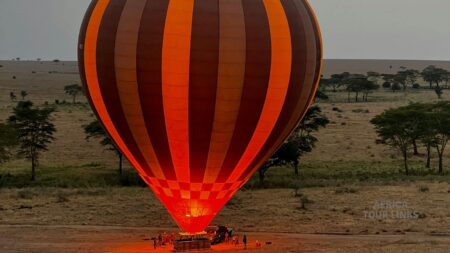
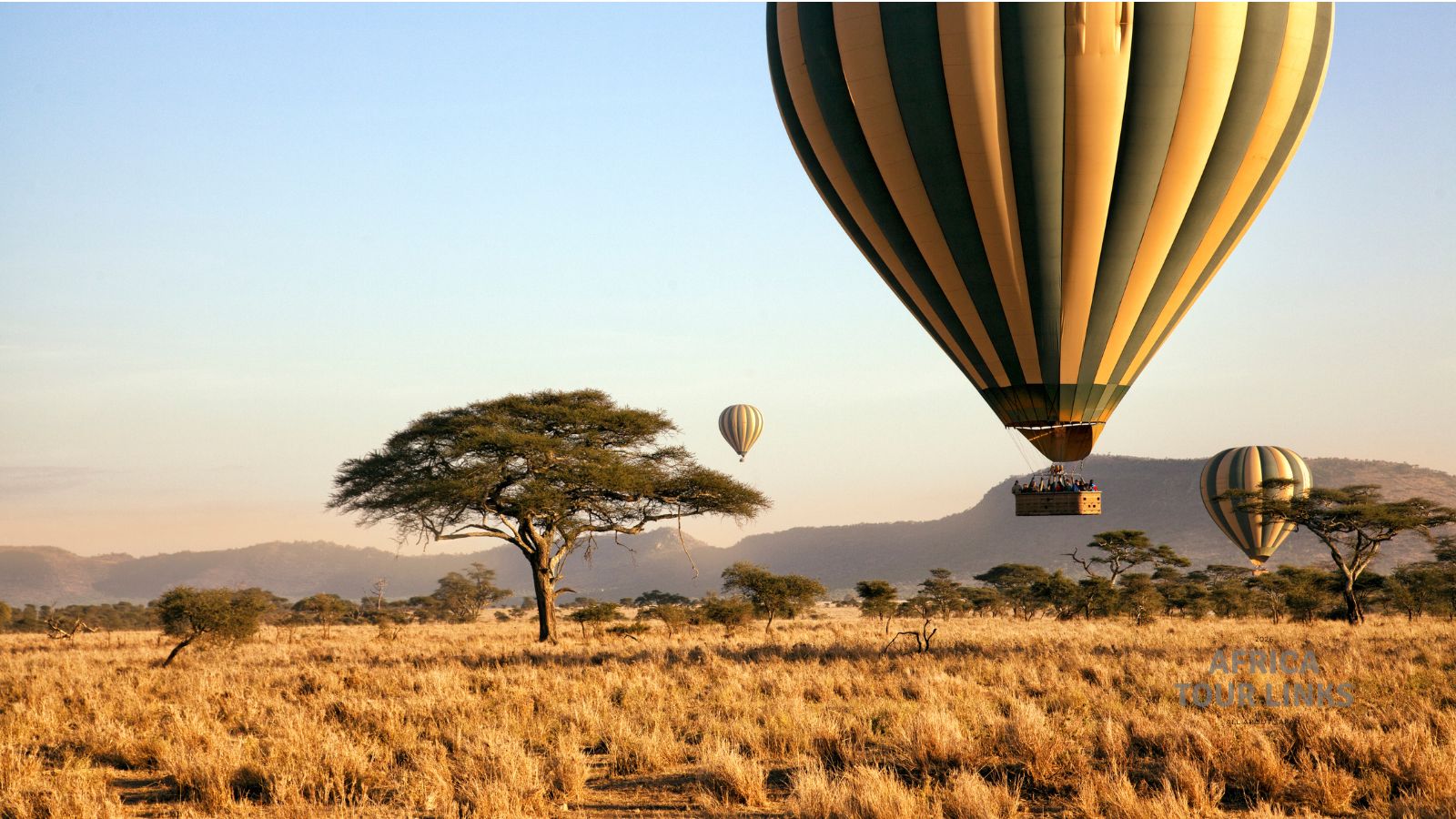
For travellers looking for a different perspective, a hot-air balloon safari over the Serengeti offers an extraordinary way to experience the landscape.
The journey normally begins around sunrise, when the savannah is still cool and the first light begins to spread across the plains.
From above, the enormous scale of the Serengeti becomes even clearer. Wildlife can appear as small moving shapes against the vast grasslands, while rivers, tracks and vegetation patterns reveal the structure of the ecosystem.
A balloon safari is generally a premium addition to a Tanzania itinerary, but for many travellers it becomes one of the most memorable parts of their journey.
Tanzania’s National Parks – Protecting a Natural Heritage
Tanzania’s safari industry depends on the protection of its natural landscapes.
National parks and conservation areas such as Serengeti, Tarangire, Ngorongoro and Ruaha protect important habitats and populations of wildlife.
These areas are valuable not only for tourism but also for biodiversity, ecological processes and the future of Tanzania’s natural heritage.
Conservation, however, is not without challenges. Population growth, climate change, illegal wildlife activities and the need for sustainable economic development all create difficult questions about how protected areas should be managed.
Responsible tourism can play an important role by creating income, supporting conservation and providing employment for local communities.
Why a Local Safari Operator Matters
Choosing the right safari operator can make a significant difference to the experience.
A knowledgeable local guide understands the landscape, animal behaviour, road conditions and seasonal changes. Local guides can also provide insight into the communities and cultures surrounding Tanzania’s protected areas.
For AfricaTourLinks travellers, the aim is not simply to show you a safari destination. It is to help you understand where to go, why to choose it and how to connect with tour operators who can help turn the idea into a real journey.
Whether your priority is the Great Migration, the Big Five, photography, culture, landscapes or a combination of experiences, the right itinerary should be built around your interests.
When Is the Best Time for a Tanzania Safari?
There is no single perfect month for every safari.
The dry season is generally popular because wildlife can become easier to find around water sources and vegetation may be less dense.
The wetter periods bring greener landscapes, fewer visitors in some areas and excellent conditions for photography. The timing of the Great Migration also changes throughout the year.
The best time therefore depends on what you want to see and experience.
A traveller searching specifically for migration may plan around the movement of the herds, while someone interested in general wildlife and photography may prefer a different period.
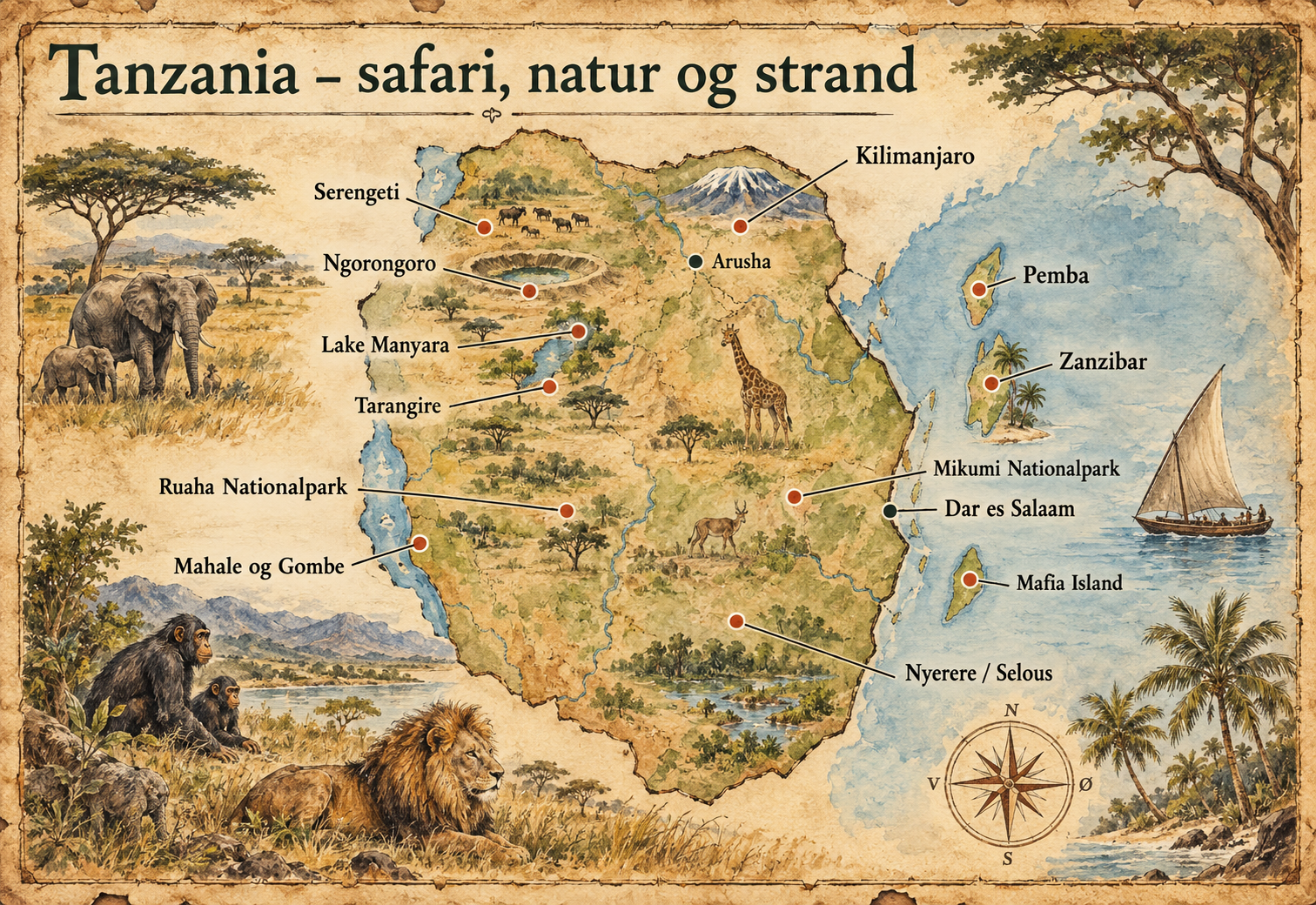
Tanzania Is More Than a Safari
A safari can be the beginning of a much larger Tanzanian journey.
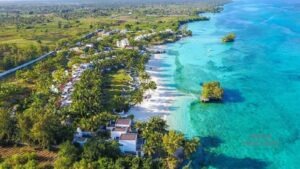
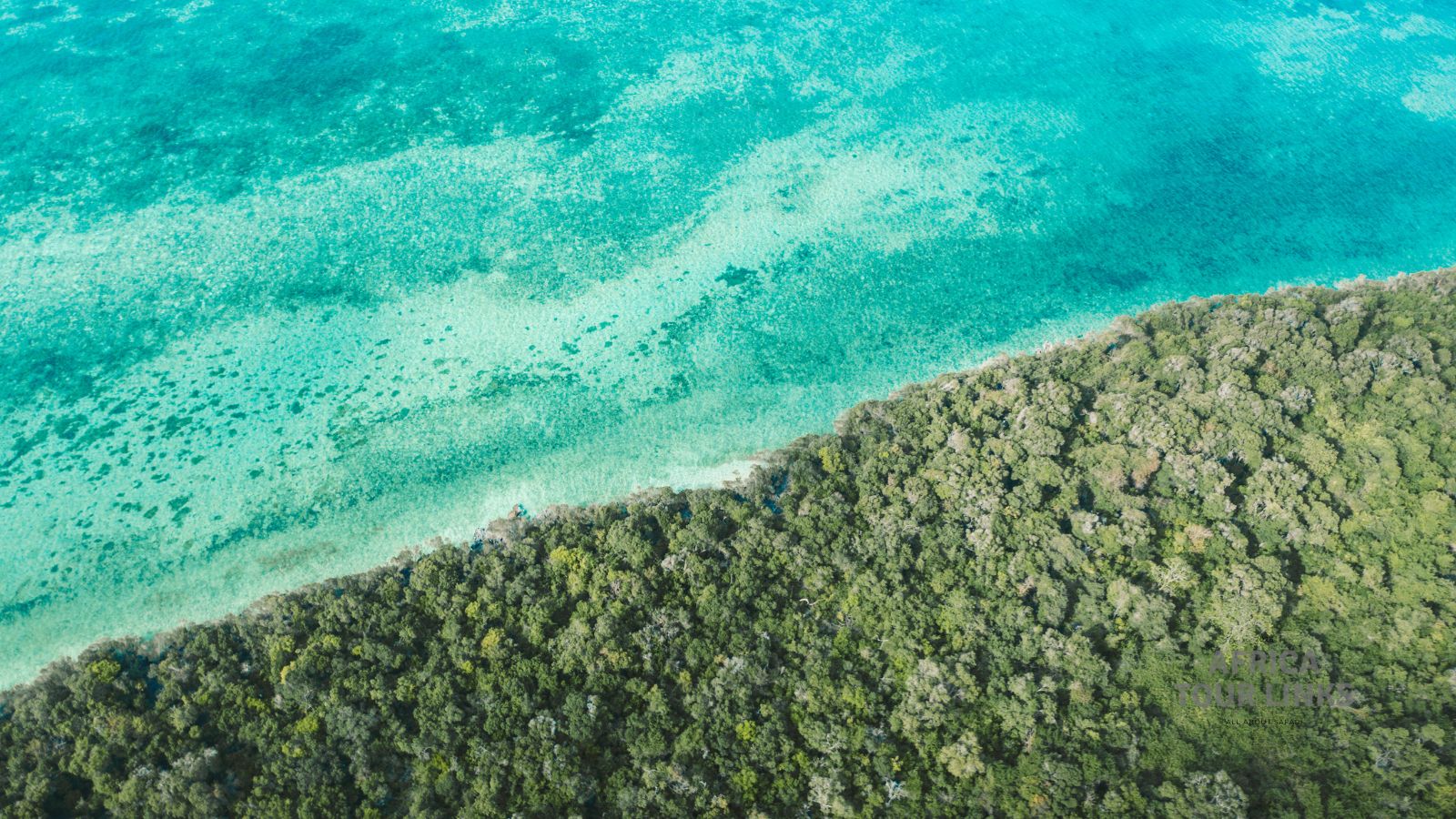
After exploring the northern parks, travellers can continue to other parts of the country or combine a safari with time on the coast and Zanzibar.
Tanzania offers wildlife, mountains, beaches, islands, culture, food and adventure – making it possible to create a journey that goes far beyond a traditional game drive.
 |
 |
 |
Plan Your African Adventure
A safari in Tanzania is not simply a holiday spent looking for animals.
It is an opportunity to experience some of the world’s most important natural landscapes, discover the rhythms of wildlife and meet people whose lives are connected to these extraordinary places.
From the elephant-filled landscapes of Tarangire to the endless plains of Serengeti and the dramatic walls of Ngorongoro Crater, northern Tanzania offers a remarkable concentration of African experiences.