




Discover Bagamoyo’s Swahili Heritage, Caravan History, Colonial Legacy and Coastal Culture Through Africa Tour Links
Bagamoyo: Gateway to East Africa’s Past
By Africa Tour Links
Bagamoyo is more than a quiet coastal town in Tanzania. It is a place where different chapters of East African history meet—Swahili culture, Indian Ocean trade, caravan routes, missionary history, the slave and ivory trade, and German colonial rule.
Once one of the most important ports on the East African coast, Bagamoyo became a major connection between the interior of East Africa and the Indian Ocean. Today, its historic buildings, ruins, museums and coastal traditions give travellers an opportunity to explore a very different side of Tanzania.
Where to Go in Bagamoyo and Follow the Stories That Shaped Tanzania’s Coast
A visit to Bagamoyo can become a journey through several centuries of East African history.
The historic town contains remnants of Swahili, Arab, German and other cultural influences, while nearby Kaole takes visitors even further back into the history of coastal settlement and Indian Ocean connections.
Rather than visiting one isolated attraction, travellers can explore Bagamoyo as a connected historical landscape.
“Explore Bagamoyo Old Town and Walk Through Historic Swahili Coastal Architecture”
The old part of Bagamoyo offers an opportunity to walk among historic buildings, narrow streets and traditional coastal architecture.
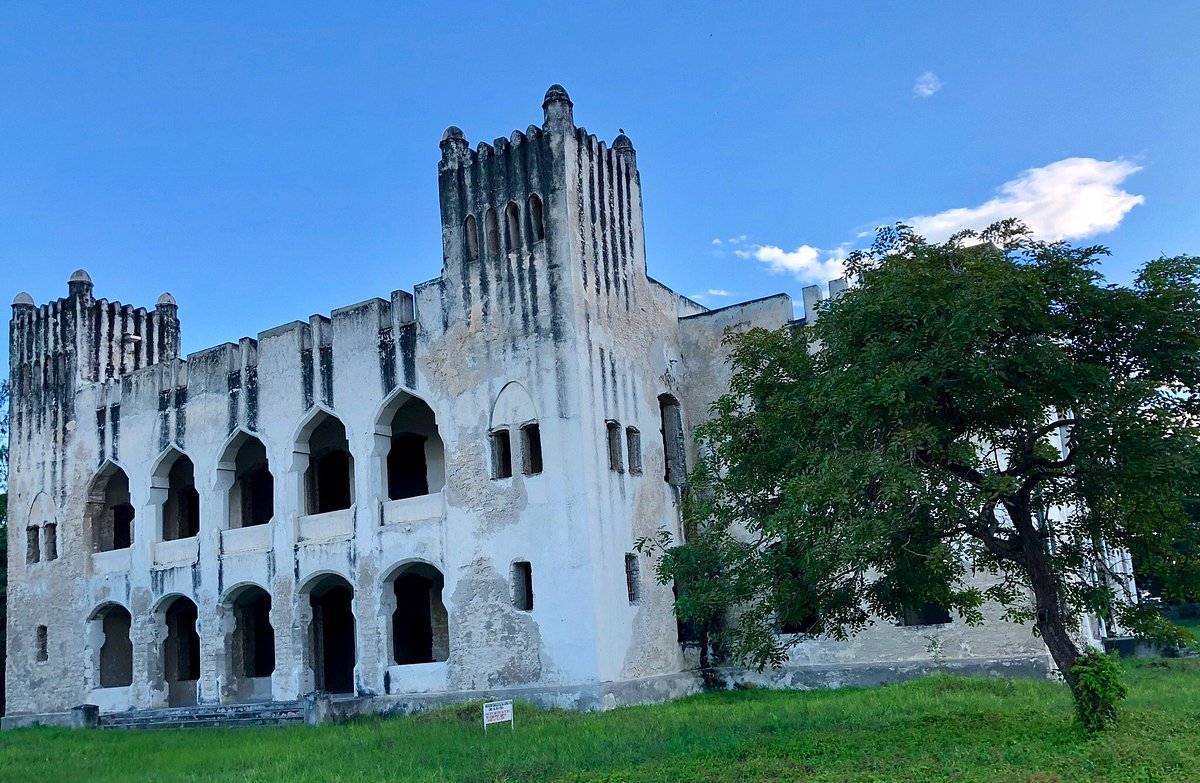
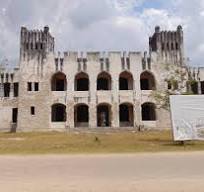
Travellers can discover the Old Fort, Caravan Serai, German administrative buildings, old customs house, historic school and other heritage sites. The waterfront also provides a glimpse into Bagamoyo’s continuing relationship with the sea, including fishing and dhow boat building.
This makes a walking tour particularly valuable because the history is not confined to a single museum—it is visible across the town.
Kaole Ruins and Explore the Older History Behind Bagamoyo
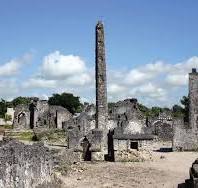
A short distance from Bagamoyo lies Kaole, an important archaeological and historical site.
The ruins include ancient mosques and tombs associated with an early Swahili settlement and date back to around the medieval period, with some structures associated with the 13th century. (CRC)
Kaole helps travellers understand that the history of this coastline began long before European colonialism. It reflects the connections between East Africa and the wider Indian Ocean world.
Understand Bagamoyo’s Role in the Caravan Trade and the Movement Between the Coast and Interior
Bagamoyo became an important endpoint for caravan routes connecting the East African interior with the coast.
Caravans brought goods and people towards the port, where connections continued across the Indian Ocean. The town therefore became an important meeting point between inland Africa and coastal trading networks.
The Caravan Serai is one of the places where travellers can explore this part of Bagamoyo’s history.
Learn About the Difficult History of the Slave and Ivory Trade
Bagamoyo’s history also contains a painful chapter.
The town became an important point in the East African slave and ivory trade, with caravans arriving from the interior before goods and enslaved people were transported towards the coast and Zanzibar. UNESCO’s tentative-list documentation identifies Bagamoyo as an important “place of memory” connected with the history and suffering associated with slavery and colonialism.
This part of the story should be approached with respect. Visiting Bagamoyo provides an opportunity not only to enjoy Tanzania’s cultural heritage but also to understand difficult historical events that shaped communities across East Africa.
Discover the Missionary History That Made Bagamoyo an Important Centre of Early Christianity
Bagamoyo also became an important centre for missionary activity.
Visitors can explore the Catholic mission area, museum, church and commemorative sites associated with the early missionary presence on the East African mainland.
The mission’s history is closely connected with the wider story of slavery, liberation and the establishment of Christian institutions in the region.
This gives travellers another perspective on Bagamoyo: the town’s history is not only about trade and colonialism, but also about religion, social change and cultural interaction.
Follow the German Colonial Story and Discover Bagamoyo’s Role in German East Africa
Bagamoyo later became an important centre of German colonial administration.
Historic buildings such as the German Boma and German Customs House remain part of the town’s heritage landscape. Bagamoyo was selected as the first capital of German East Africa before the colonial administration later shifted to Dar es Salaam.
Walking through Bagamoyo therefore allows travellers to see how the town changed as different political and economic powers influenced the East African coast.
Experience Bagamoyo Beyond History Through Fishing, Dhow Building and Coastal Culture
Bagamoyo is not only a historical destination.
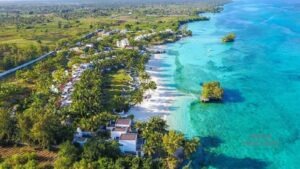
It remains a coastal community where travellers can experience local life, fishing traditions and the Indian Ocean environment.
The waterfront includes a fish market, while local boat builders continue the tradition of constructing dhows, connecting modern Bagamoyo with its maritime past.
This combination of heritage and living culture makes the destination more than an open-air museum.
Why Choose Bagamoyo for Your Tanzania Cultural Journey?
Bagamoyo is ideal for travellers who want to explore a side of Tanzania beyond traditional wildlife safaris.
Choose Bagamoyo if you want to:
Explore Swahili history
Discover ancient coastal settlements and architecture.
Understand East African trade
Follow the historical connection between the interior and Indian Ocean.
Explore difficult history
Learn about slavery, ivory trading and colonialism.
Discover missionary heritage
Visit historic mission sites and museums.
Experience coastal culture
See fishing, dhow building and everyday life along the coast.
Combine culture and the ocean
Enjoy historical exploration alongside Bagamoyo’s coastal environment.