
Discover Pemba Island’s Lush Nature, Coral Reefs, Wildlife and Swahili Culture
Pemba Island: Tanzania’s Green Island
By the Editorial Team
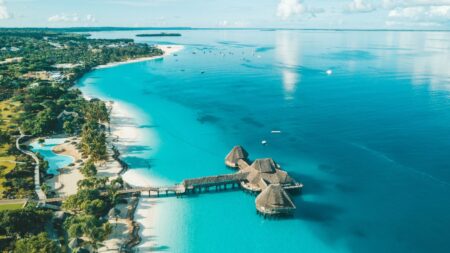
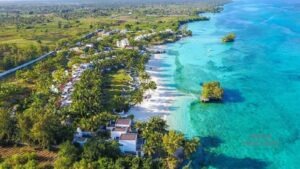
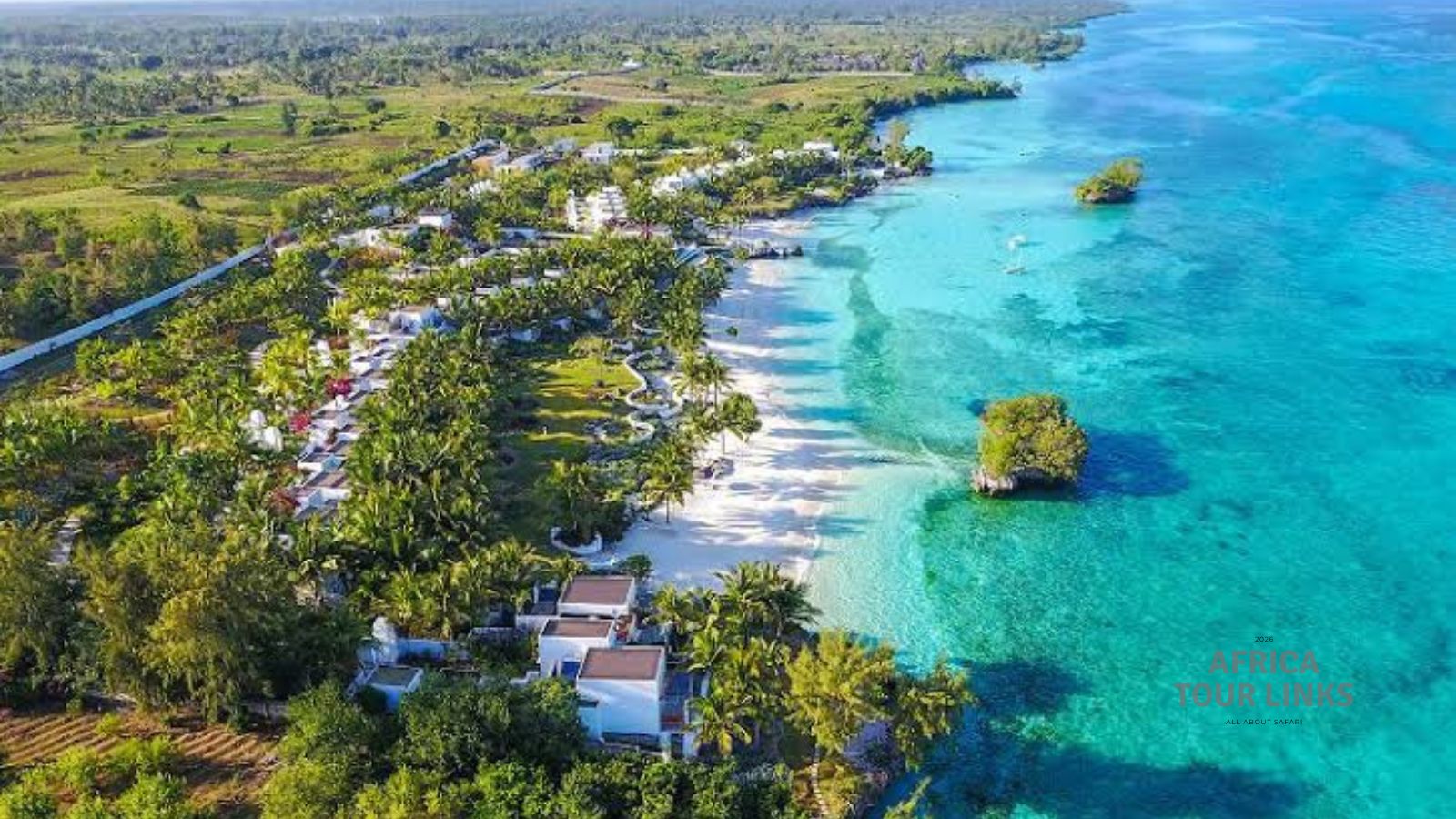
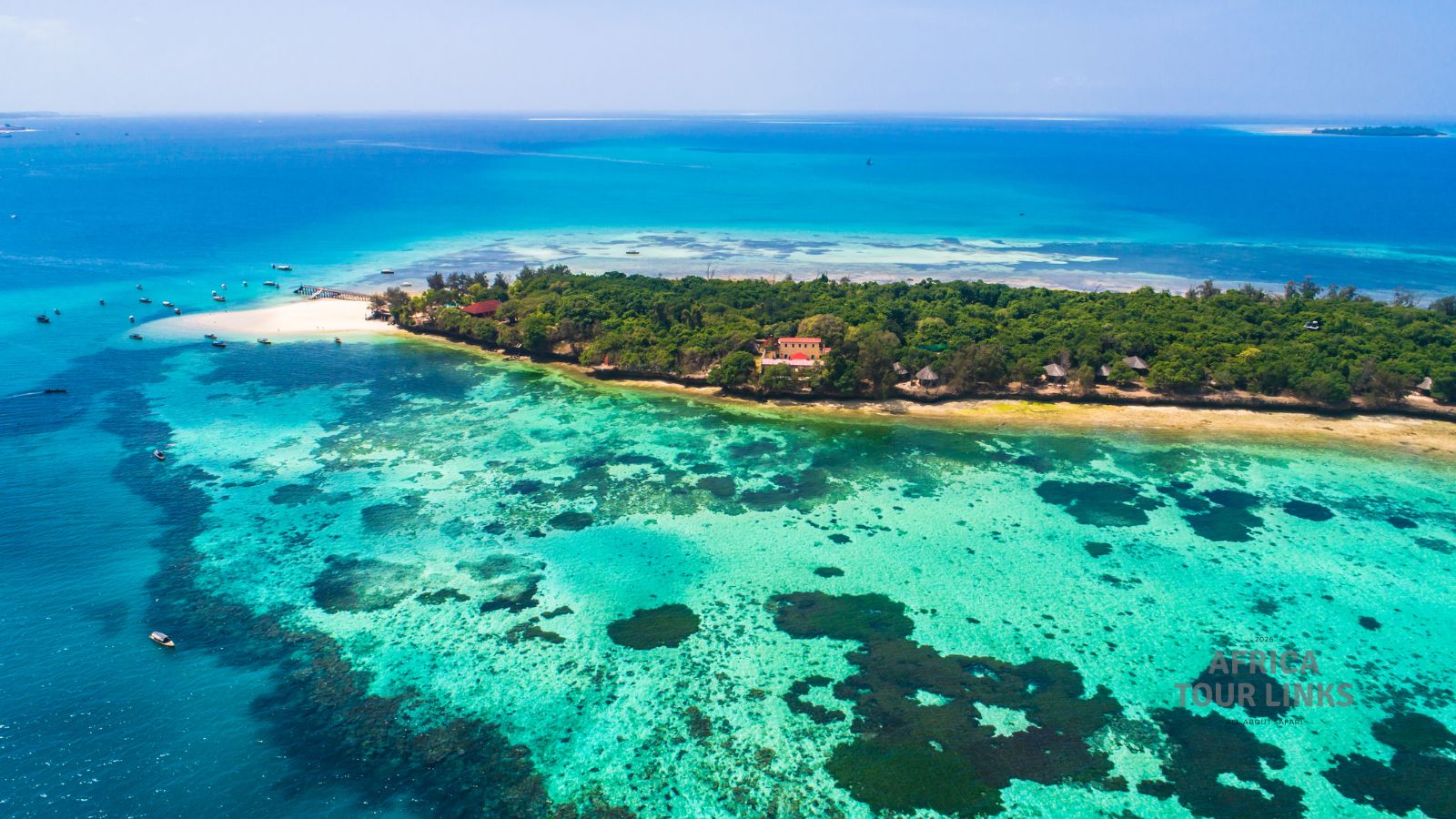
“Pemba Island is one of the less-visited islands in the Zanzibar Archipelago, offering a quieter alternative to the better-known beaches of Unguja. Known as the “Green Island,” Pemba is characterised by fertile land, lush vegetation, spice plantations, forests, traditional villages and a coastline surrounded by rich marine environments”.
For travellers looking for more than a conventional beach holiday, Pemba offers an appealing combination of nature, diving, snorkelling, culture, fishing, history and relaxation. The island is particularly attractive to couples and honeymooners, but it also has much to offer travellers interested in wildlife, photography, marine life and authentic island experiences.
The waters around Pemba are among its greatest attractions. Coral reefs, offshore islands and the deep waters of the Pemba Channel create opportunities for diving, snorkelling and other marine activities.
Why visit Pemba Island?
Pemba has a different atmosphere from the busier tourist areas of Zanzibar. The island is greener, less developed in many areas and strongly connected to traditional agriculture and fishing.The Zanzibar Commission for Tourism describes Pemba as a destination known for its beaches, forests, cultural heritage, spice plantations and marine activities.
For visitors, this means that a stay on Pemba can combine days in the water with walks through tropical vegetation, visits to historic sites and encounters with local communities.
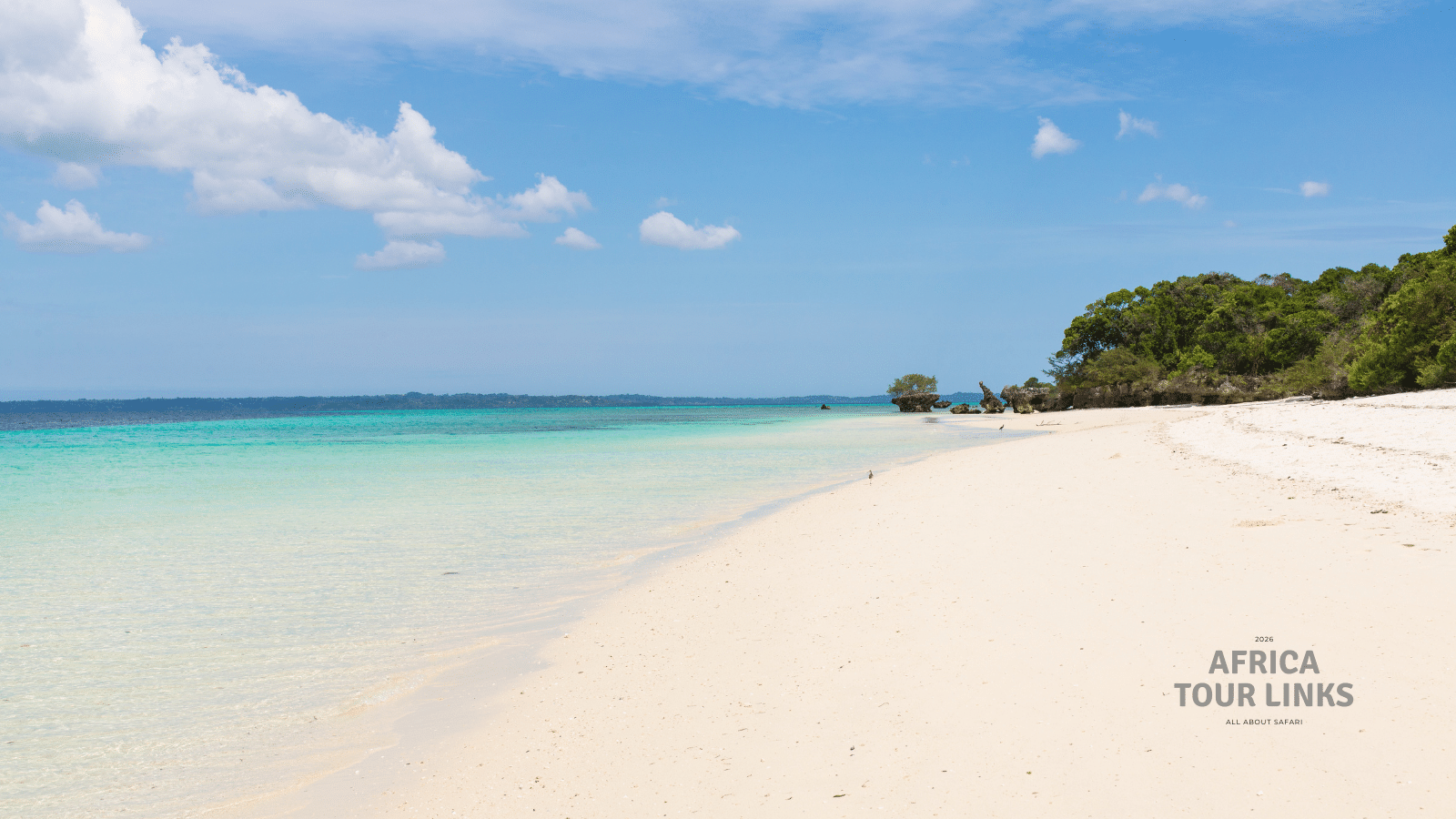
A destination for nature lovers
Pemba’s natural environment is one of its defining characteristics. The island supports forests, agricultural areas and coastal habitats, while the surrounding waters contain coral reefs and diverse marine life.
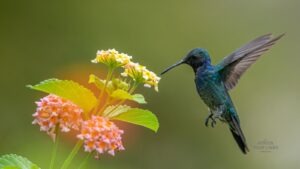
Pemba is also important from a biodiversity perspective. Conservation literature identifies several species associated with the island, including the Pemba flying fox, as well as endemic bird species such as the Pemba scops owl, Pemba sunbird and Pemba green pigeon.This makes the island interesting not only for beach travellers but also for birdwatchers, photographers and visitors who want to explore tropical island ecosystems.
Diving and snorkelling around Pemba
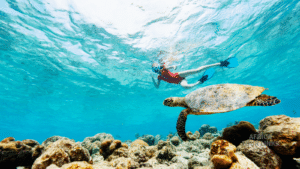
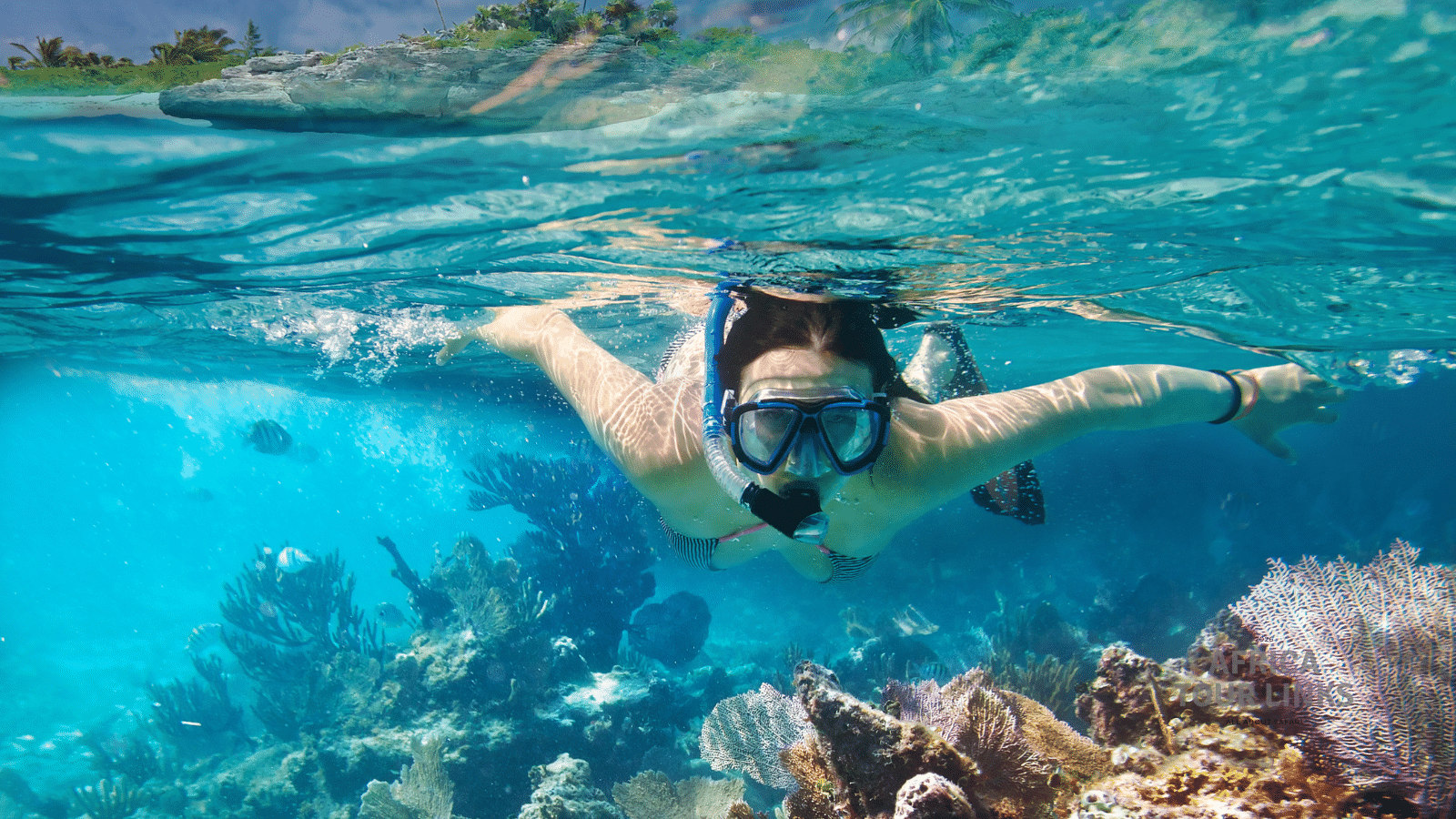
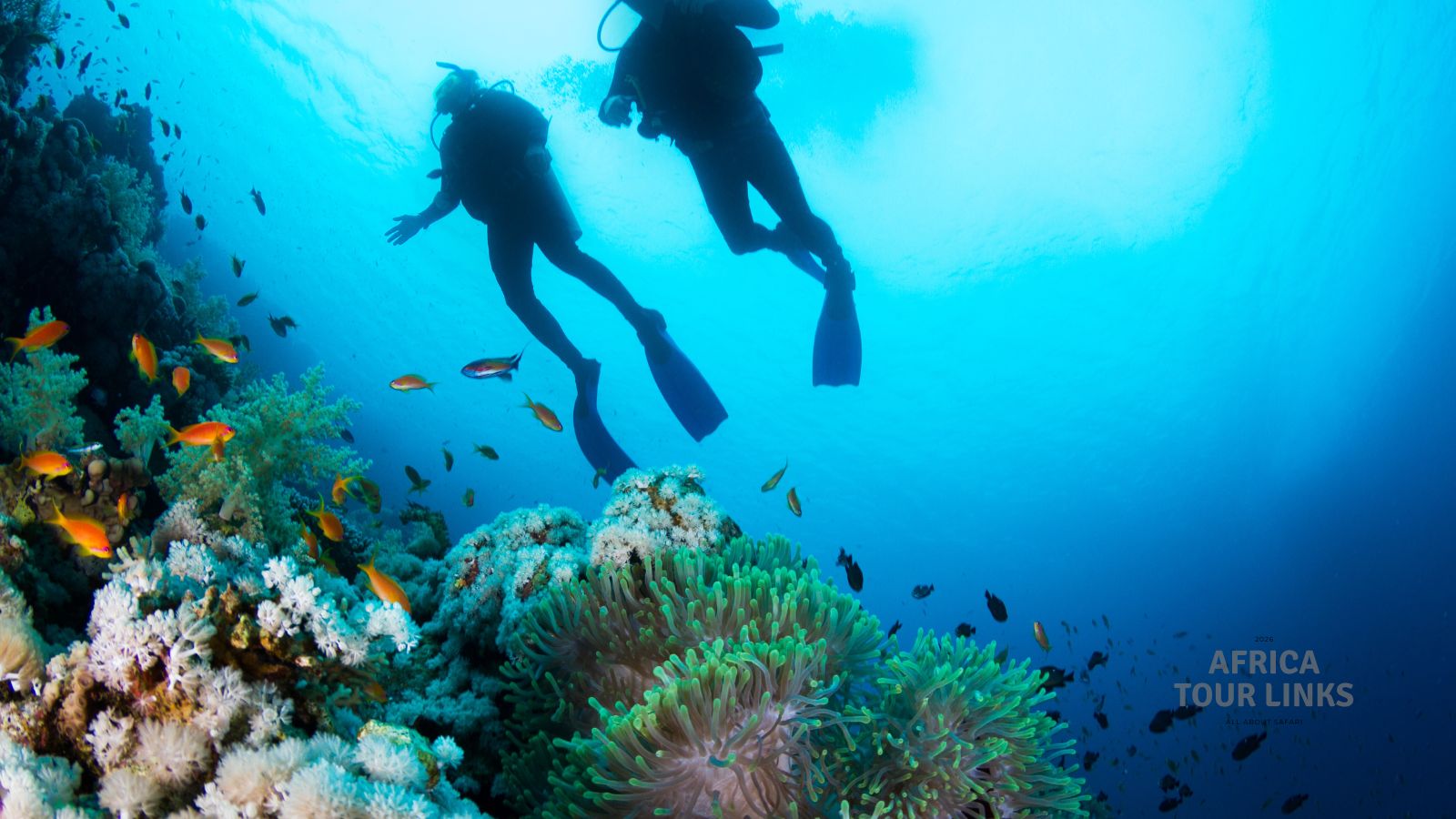
The underwater environment is one of the strongest reasons to visit Pemba.The island is surrounded by coral reefs, while the Pemba Channel provides access to deeper marine environments. Snorkelling and scuba diving can reveal colourful reef fish, corals and other marine species.
Nearby Misali Island is particularly important for marine conservation. The island is surrounded by extensive coral reefs and supports a wide variety of fish and other marine species, while green and hawksbill turtles use the area for nesting.Marine conditions vary according to location and season, so travellers should choose activities through established local operators and follow local guidance on currents, weather and protected areas.
The Green Island
Pemba’s nickname, “The Green Island,” reflects its lush landscape.
Compared with the more densely visited parts of Unguja, Pemba can feel distinctly rural. Coconut palms, fruit trees, cultivated fields and spice plantations form part of the island landscape.
Cloves have long been an important agricultural product, and spice tours offer visitors an opportunity to learn more about the crops, farming traditions and everyday life of the island.A guided visit is particularly worthwhile for travellers who want to understand Pemba beyond its beaches.
Wildlife on Pemba Island
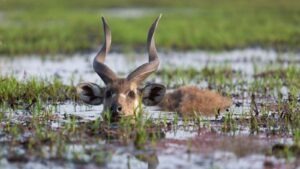
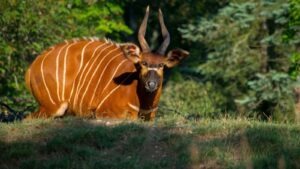
Pemba’s wildlife is not limited to the marine environment.The island’s forests and vegetation provide habitat for a number of bird and animal species. One of the most distinctive is the Pemba flying fox, a large fruit bat endemic to the Pemba region.
Birdwatchers can also look for species associated with the island’s forests, including the Pemba green pigeon and Pemba sunbird. Pemba’s high level of biological endemism makes its natural environment particularly interesting for specialist nature travellers.
For visitors interested in wildlife, a local guide can make a significant difference by helping identify species and explaining the island’s ecosystems.

Pemba’s Swahili culture and history
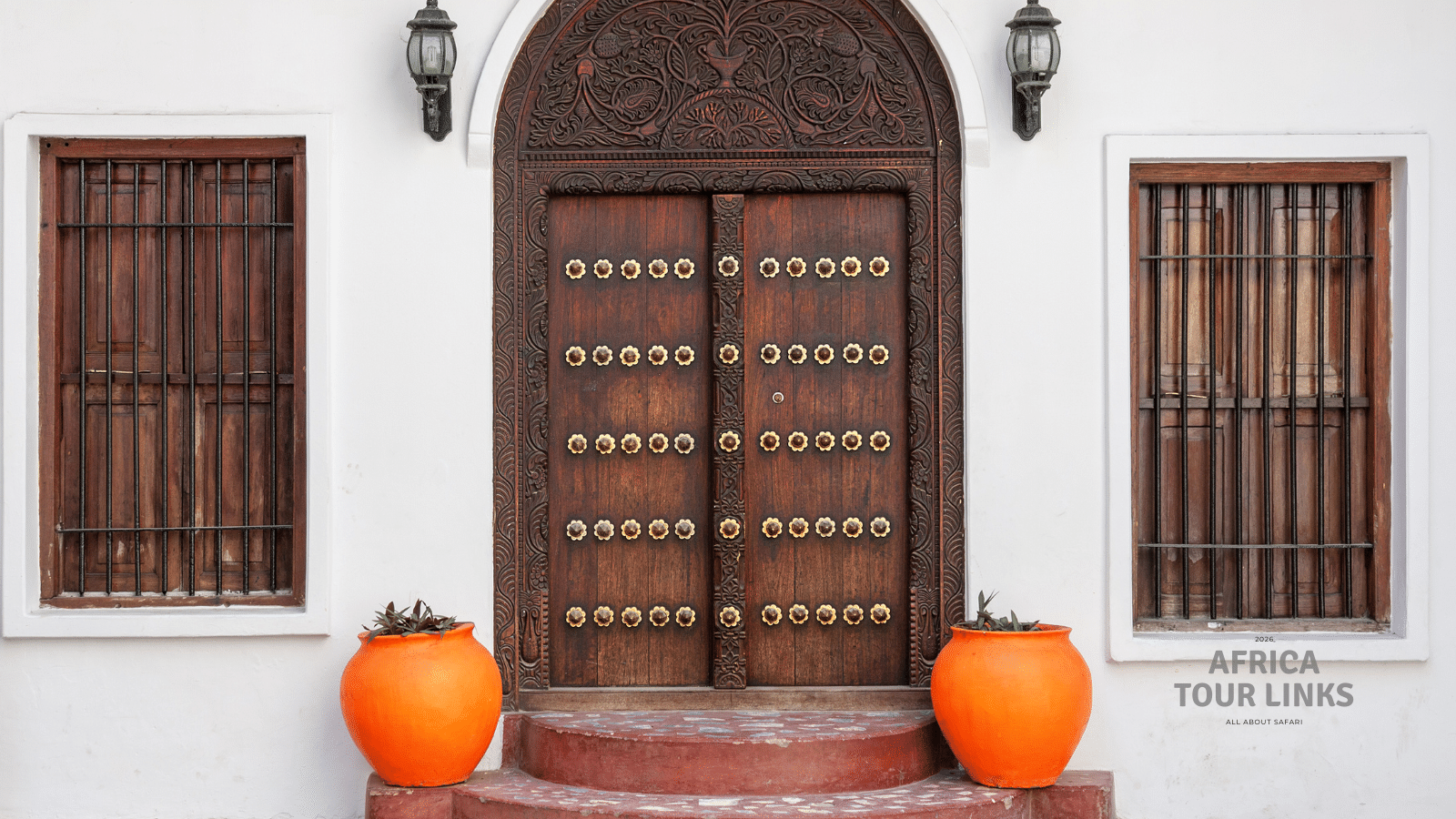
Pemba is not only a nature destination. The island has a long Swahili cultural history, reflected in its settlements, archaeological sites, agriculture and coastal traditions.Among the sites worth exploring are the Pujini Ruins, associated with a historic Shirazi settlement, and the Mkama Ndume Ruins, which provide another glimpse into Pemba’s medieval Swahili heritage. The Zanzibar Commission for Tourism identifies Mkama Ndume as the remains of an ancient settlement dating back to the 13th century.
Visitors can also explore Chake Chake, the island’s main urban centre, where local markets and everyday island life provide a different perspective on Pemba.
What is it like to explore Pemba?
“Pemba is best experienced at a slower pace”.
Rather than trying to see everything in a short visit, travellers can combine a few carefully selected experiences: a day of diving or snorkelling, a spice or village visit, a historical excursion and time simply enjoying the coast.
This slower rhythm is one of Pemba’s attractions.
Things to do on Pemba Island
Depending on the location and season, activities can include:
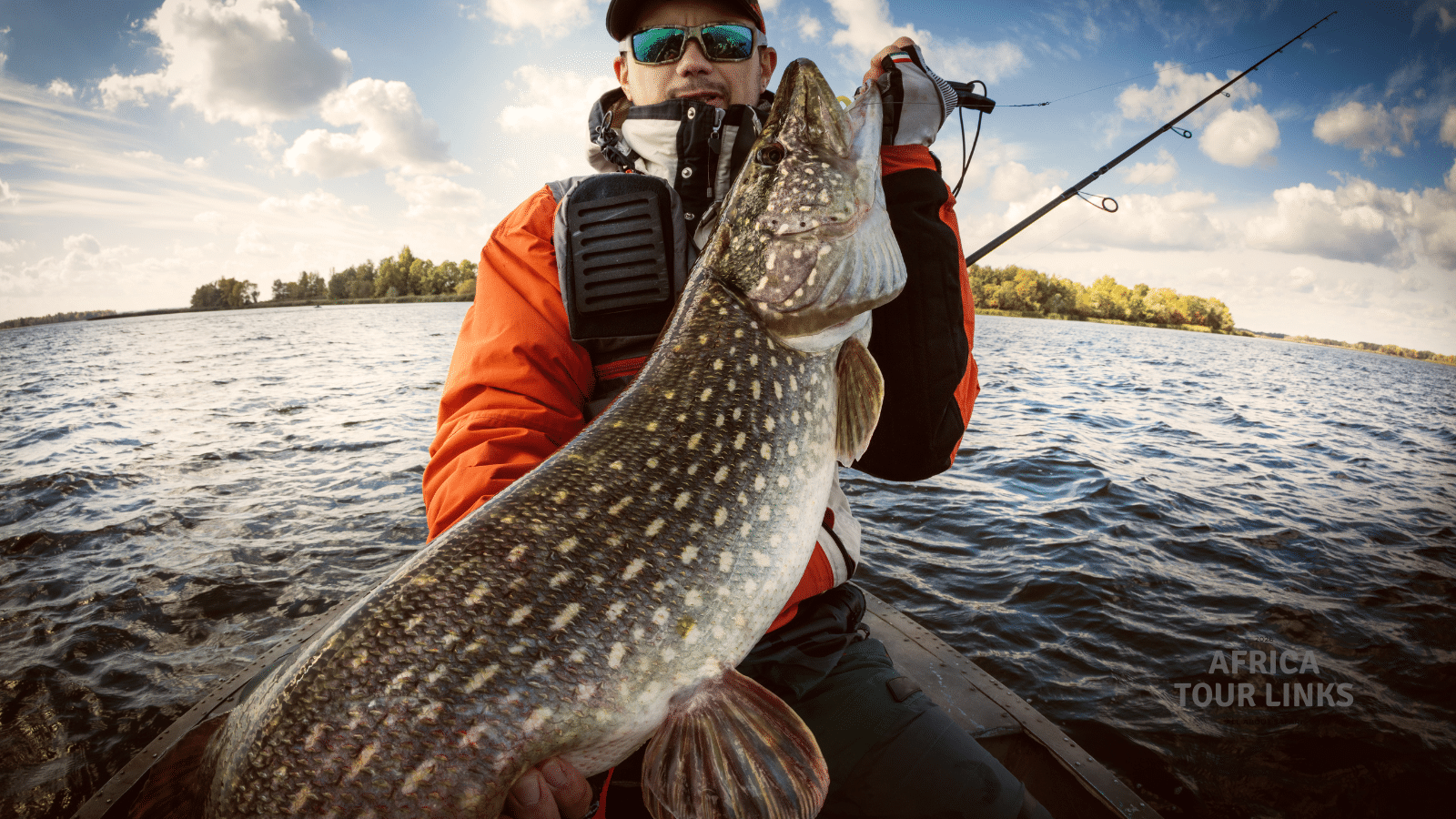
Scuba diving, Snorkelling,Fishing excursions, Kayaking,Exploring mangrove environments,Boat trips, Sunset sailing, Spice and plantation visits, Cultural village experiences, Birdwatching, Exploring historic ruins, Nature walks,Beach relaxation.
Some activities depend on local operators, weather and sea conditions, so availability should be confirmed before travelling.
 |  |
Pemba for a honeymoon
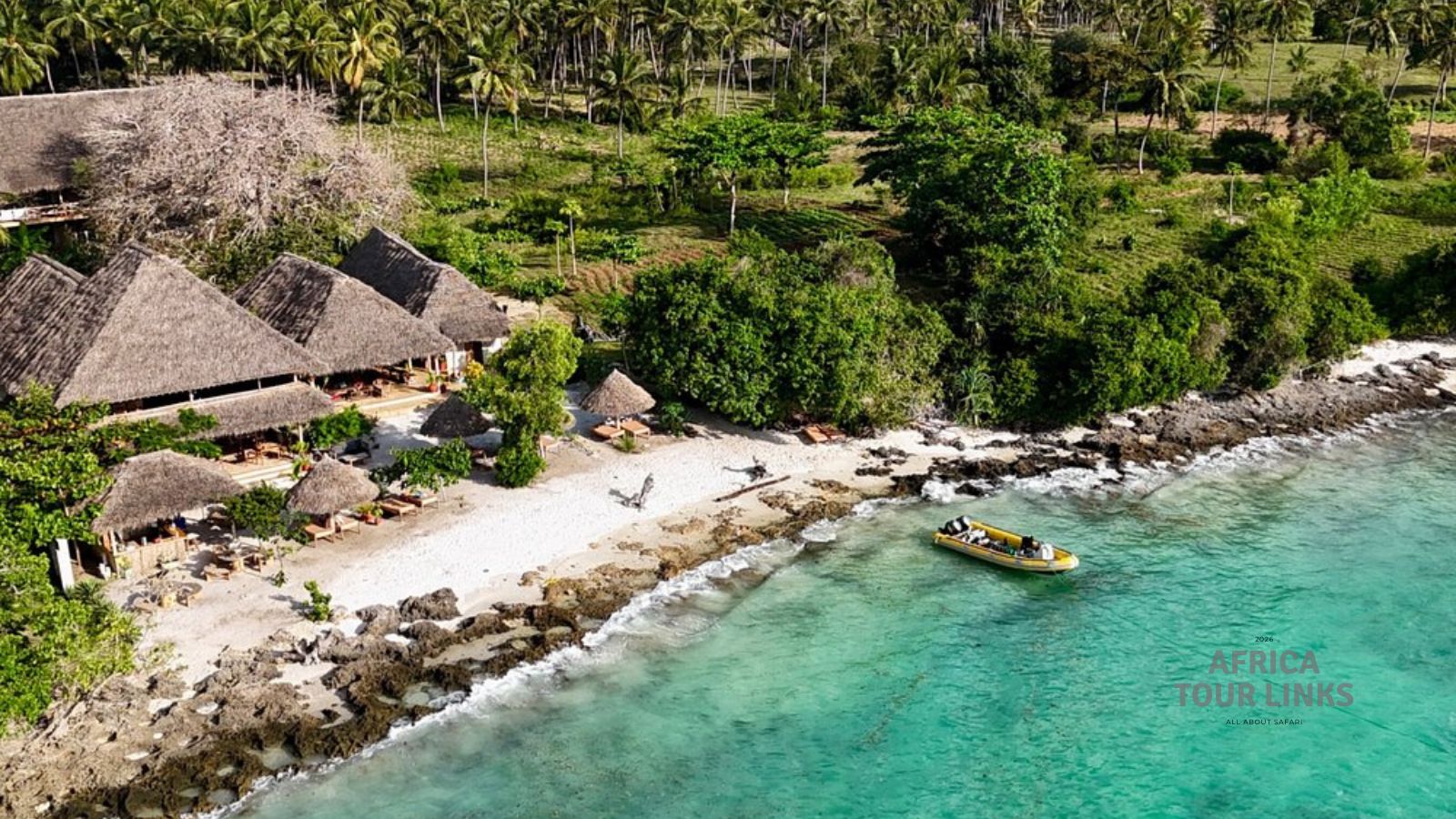
Pemba can be an excellent choice for couples who want a quieter island escape.Its combination of tropical scenery, secluded beaches, marine activities and small-scale accommodation creates a different atmosphere from a traditional resort destination.
A honeymoon itinerary could combine several nights on Pemba with time in Zanzibar, a mainland safari or another Tanzanian coastal destination.For couples, four to five nights can provide enough time to experience the island without rushing, although longer stays are suitable for travellers who want to focus on diving, fishing or nature.
How to get to Pemba Island
Pemba has its own airport, and the island can be reached by air from other destinations in Tanzania and the Zanzibar Archipelago. Zanzibar Airports Authority confirms that Pemba Airport is one of the two main airports operated by the authority.
Flights and connections can change according to airline schedules and season, so travellers should check current availability when planning an itinerary.The island can also be reached by ferry from Unguja, although travellers should check current schedules, vessel conditions and local advice before choosing sea transport. The Zanzibar tourism authority lists both air and ferry travel as options for reaching Pemba.
 |  |
When is the best time to visit Pemba?
Pemba has a tropical climate and can be visited throughout much of the year, but the June to October dry season is generally considered one of the most favourable periods for outdoor activities and beach travel.
Weather patterns can vary, and rainfall is an important consideration when planning activities such as diving, boat trips and island excursions. The Zanzibar tourism authority also identifies June to October as the main dry-season period.Travellers should check current local weather and sea conditions before booking specific marine activities.
Pemba Island travel tips
Pemba is a relatively relaxed destination, but visitors should remember that it is part of a culturally conservative region.Dress respectfully when visiting villages, towns and religious or historical sites. Modest clothing is particularly important away from beaches and tourist properties.
The UK Foreign, Commonwealth & Development Office currently advises travellers in Tanzania to respect local customs and notes that there is a high proportion of Muslims in Zanzibar and Pemba.It is also sensible to carry some cash because access to banking facilities and ATMs can be more limited than in major mainland destinations. The Zanzibar tourism authority specifically advises visitors to consider carrying sufficient cash when travelling around Pemba.
For sea travel, choose reputable operators and check weather and safety conditions. Tanzania’s current travel advice also highlights risks associated with some ferry services and recommends caution when travelling by sea.
Can Pemba be combined with a Tanzania safari?
Yes. Pemba works particularly well as part of a wider Tanzania itinerary.
A traveller could begin with a safari in northern Tanzania before continuing to Zanzibar and then Pemba. Another option is to combine Pemba with a mainland coastal stay or another Tanzanian island.A combination of safari + Zanzibar + Pemba provides three very different experiences: wildlife on the mainland, historic and cultural attractions on Unguja, and a quieter nature and marine experience on Pemba.
lternative to spending the entire beach portion of a trip on Unguja.
“Pemba is an island for travellers who want nature, culture and the Indian Ocean in the same journey”.