
From historic expeditions to modern safari experiences, Mount Kenya offers travellers a remarkable combination of mountain landscapes, wildlife, culture and adventure
Mount Kenya: A Journey Through Kenya’s Wildlife and Tourism Heritage
By Editorial Team
“Mount Kenya has long attracted people fascinated by Africa’s landscapes and wildlife. Historical accounts of expeditions to the mountain form part of Kenya’s tourism heritage, but today the region offers visitors a very different way to experience the destination.
For modern travellers, Mount Kenya is a place for mountain adventures, wildlife experiences, cultural encounters and time in some of East Africa’s most spectacular natural surroundings”.
Rising to 5,199 metres, Mount Kenya is Africa’s second-highest mountain and an ancient extinct volcano. Its forested slopes, alpine landscapes, valleys and remaining glaciers create a dramatic setting that is very different from Kenya’s better-known open savannahs.
Mount Kenya – where nature and history meet
Mount Kenya is more than a mountain destination. It is part of a wider landscape where conservation, local communities, wildlife and tourism have developed alongside one another.

The mountain is culturally significant to communities living around it, including the Kikuyu and Meru peoples. UNESCO notes that the mountain has traditionally been regarded as sacred, adding an important cultural dimension to any visit.
This combination of natural and cultural heritage makes Mount Kenya particularly interesting for travellers looking for experiences beyond a traditional game drive.
The region allows visitors to explore the relationship between people and landscape while discovering one of East Africa’s most distinctive ecosystems.
From historic hunting stories to modern African tourism
Historical hunting expeditions are part of the written record surrounding Kenya’s early tourism and exploration history. Accounts from European travellers and hunters helped introduce the country’s landscapes and wildlife to international audiences.
Today, however, the tourism experience around Mount Kenya is centred increasingly on conservation, outdoor recreation, wildlife viewing and cultural heritage.
The change reflects a broader development in African tourism: destinations once known primarily for hunting or exploration can now offer visitors a much wider range of nature-based experiences.
For travellers, Mount Kenya provides an opportunity to discover this history without making the historical hunting experience the centre of the journey.
A mountain of remarkable landscapes
One of Mount Kenya’s greatest attractions is the dramatic change in scenery as the altitude increases.
The lower areas contain forests and wildlife habitats, while higher elevations transition into bamboo, moorland and distinctive afro-alpine vegetation. Near the highest peaks, the landscape becomes increasingly rugged, with rocky summits, valleys, tarns and glaciers.
The mountain’s highest peaks include Batian at 5,199 metres, Nelion at 5,188 metres and Point Lenana at 4,984 metres. Point Lenana is particularly associated with trekking and mountain tourism.
For photographers and nature travellers, the changing landscapes provide a different perspective on Kenya – one that is far removed from the classic image of endless savannah.
Wildlife around Mount Kenya
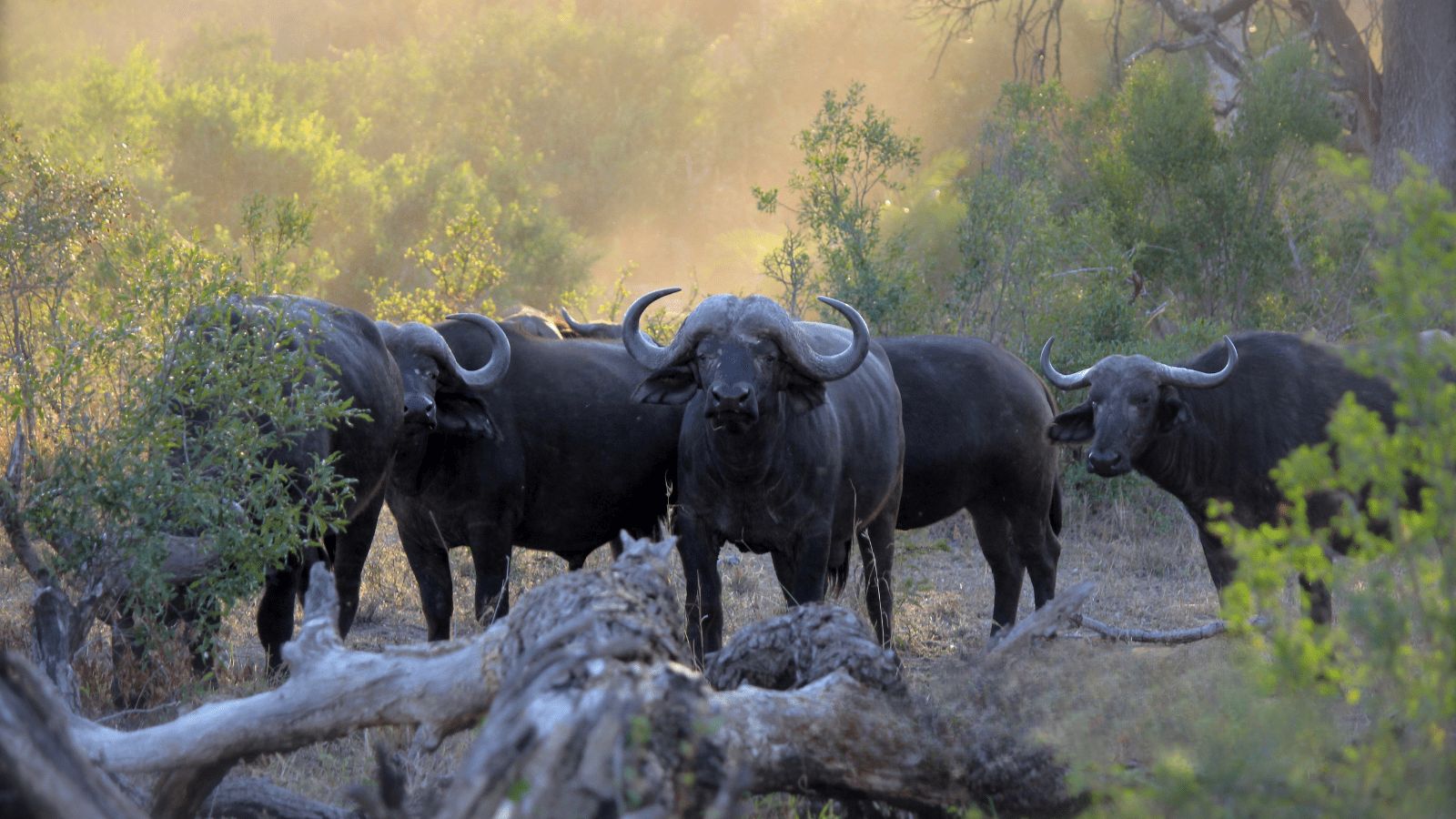
Mount Kenya is also part of an important wildlife landscape.
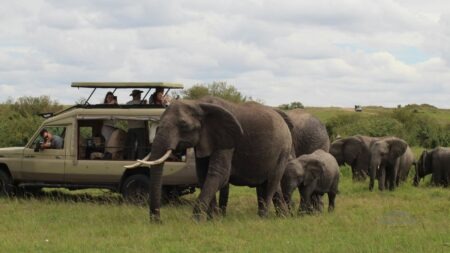
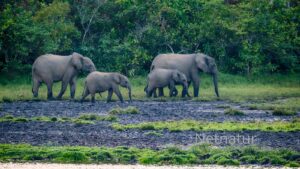
The protected ecosystem supports species including elephant, buffalo, leopard, black rhinoceros, giant forest hog, hyrax and several smaller mammals. The wider World Heritage property also incorporates the Lewa Wildlife Conservancy and Ngare Ndare Forest Reserve, extending into lower and drier habitats with significant biodiversity.
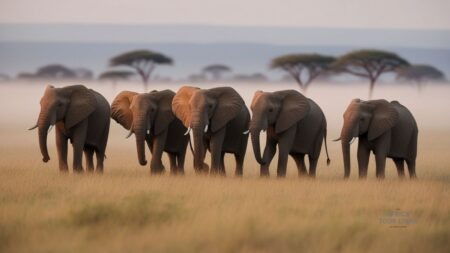
The area is particularly important for elephants. A wildlife corridor connects Mount Kenya with the Lewa and Ngare Ndare landscape, helping maintain movement between different habitats.
This makes a Mount Kenya visit especially interesting when combined with a broader Kenyan safari.
Travellers can experience mountain forests and high-altitude landscapes before continuing towards the wildlife-rich plains and conservancies of northern Kenya.
Mount Kenya as an adventure destination
For visitors who enjoy active holidays, Mount Kenya offers opportunities that differ from conventional safari tourism.
The Kenya Wildlife Service highlights high-altitude adventure, mountaineering, alpine landscapes and outdoor experiences among the attractions of the national park.
Trekking routes provide access to different parts of the mountain, while experienced climbers can aim for the higher summits.
The journey is not only about reaching a particular altitude. Walking through forests, moorlands and alpine environments allows visitors to experience several ecosystems during the same trip.
For travellers interested in wellness and outdoor tourism, the mountain can also form part of a slower itinerary focused on nature, hiking and time away from busy cities.
Combining Mount Kenya with a Kenyan safari
Mount Kenya works particularly well as part of a wider Kenya itinerary.
A traveller might begin with Nairobi, continue towards the Mount Kenya and Laikipia region, and then travel onwards to other wildlife destinations.
Kenya Wildlife Service manages a range of protected areas offering different landscapes and wildlife experiences, from mountain ecosystems and forests to savannahs and wetlands.
This makes it possible to create a varied African holiday rather than a trip based around a single destination.
A Mount Kenya itinerary can therefore be combined with:
Wildlife safaris
Conservation experiences
Mountain trekking
Cultural tourism
Birdwatching
Photography
Nature walks
Luxury lodge stays
Camping and outdoor experiences
For international visitors, this combination can provide a broader understanding of Kenya’s natural diversity.
Culture adds another dimension
Nature is only one part of the Mount Kenya experience.
The communities living around the mountain have longstanding cultural connections with the landscape. Learning about local traditions and the significance of the mountain can add context to a visit and help travellers understand that Mount Kenya is not simply a scenic attraction.
Responsible tourism can create opportunities for visitors to engage with local communities while supporting businesses and services connected to the tourism economy.
For travellers interested in African culture, this is an important part of the experience.
Conservation and the future of Mount Kenya tourism
Tourism and conservation are closely connected around Mount Kenya.
The area was designated a UNESCO World Heritage Site in 1997, with the World Heritage property later expanded to include the Lewa Wildlife Conservancy and Ngare Ndare Forest Reserve. The protected landscape covers important mountain, forest and lower-altitude ecosystems.
The mountain is also an important water catchment and supports ecological systems extending far beyond its highest peaks.
At the same time, the ecosystem faces pressures including climate change, habitat pressures, fire, illegal activities and human-wildlife conflict. UNESCO specifically identifies the conservation of wildlife corridors and ecological connectivity as important to the long-term health of the property.
For tourism, this makes responsible travel particularly important.
Visitors can contribute by following park regulations, staying on established routes, avoiding disturbance to wildlife and respecting local communities and natural habitats.
When to visit Mount Kenya
Mount Kenya can be visited for different types of experiences throughout the year, although mountain conditions can vary considerably with altitude and weather.
Anyone planning a trek should consider the specific route, altitude, seasonal conditions and level of physical preparation required.
The Kenya Wildlife Service advises visitors to bring appropriate warm clothing, drinking water, hiking or mountaineering equipment and other suitable outdoor gear.
Travellers planning a combined mountain and safari holiday should also consider the conditions in the other destinations included in their itinerary.
Because weather conditions can change rapidly at higher elevations, professional local guides and current park information are valuable when planning a mountain excursion.
A different side of Kenya
Mount Kenya demonstrates how diverse African tourism can be.
Kenya is internationally associated with the great savannah landscapes of the Maasai Mara, Amboseli and Tsavo, but the country also offers mountains, forests, lakes, coastal destinations and culturally important landscapes.
Mount Kenya brings several of these themes together.
It offers adventure for trekkers, wildlife for safari travellers, spectacular scenery for photographers and a connection to local history and culture for visitors who want to understand more about the destination.
The historical stories surrounding the mountain remain part of Kenya’s past. The tourism experience of today, however, is increasingly about discovering, protecting and appreciating the natural and cultural heritage that remains.
Mount Kenya – an African tourism experience beyond the safari
For travellers planning an African holiday, Mount Kenya offers an opportunity to see another side of Kenya.
Here, the journey can move from forest to alpine landscape, from wildlife encounters to cultural experiences, and from historic stories to modern conservation.
That combination makes Mount Kenya more than a stop on a map. It is a destination where the landscape itself becomes part of the travel experience and where Kenya’s natural heritage can be explored through adventure, wildlife and responsible tourism.
Mount Kenya
Location: Kenya, East Africa
Highest elevation: 5,199 metres
Highest peak: Batian
Status: UNESCO World Heritage Site
National park established: 1949
Main tourism experiences: Mountain trekking, mountaineering, wildlife viewing, nature, photography and cultural experiences
Nearby wildlife landscapes: Lewa Wildlife Conservancy and Ngare Ndare Forest Reserve
Nearest commercial airstrip: Nanyuki
Main park access routes: Naro Moru, Sirimon and Chogoria