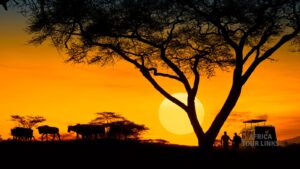




From royal hunts to modern wildlife journeys – the story of how safari began in Africa
The first safari in Africa
By Netnatur
The word “safari” today is synonymous with wildlife, adventure and vast African landscapes. But the concept has a long and fascinating history rooted in exploration, trade and big-game hunting.
From language to lifestyle
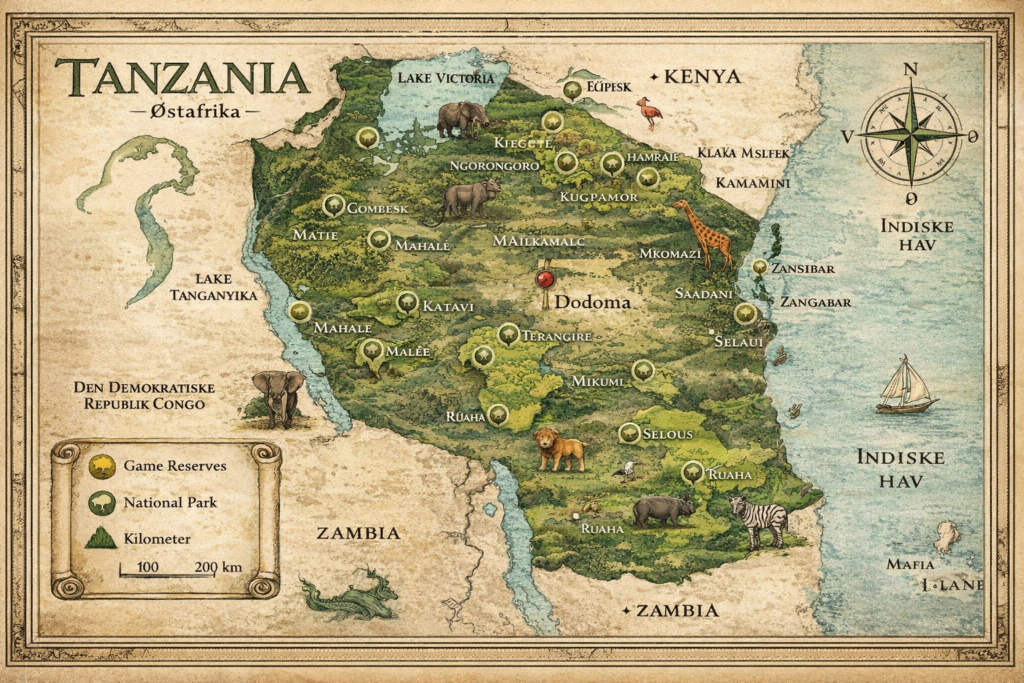
The word safari originates from the Swahili language, widely spoken across East Africa, including Tanzania and Kenya. It simply means “journey” or “expedition.”
Early safaris were not about tourism. They were practical expeditions—long caravans moving through the African interior for trade, exploration or hunting. These journeys often included dozens or even hundreds of porters, guides, and armed escorts.
The era of exploration
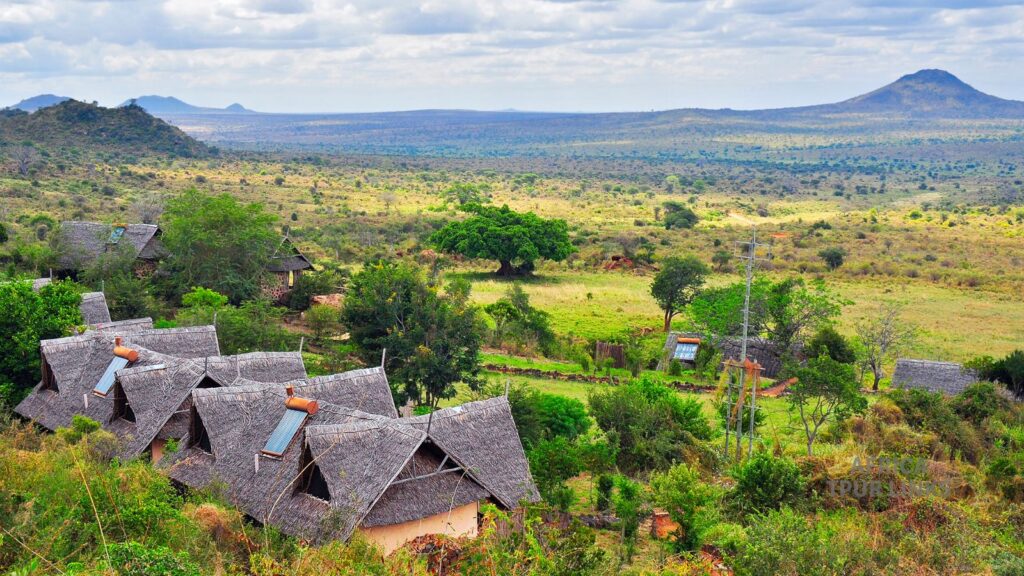
In the 19th century, European explorers such as David Livingstone and Henry Morton Stanley undertook some of the earliest documented safaris into the African interior.
Their expeditions were driven by a mix of scientific curiosity, missionary work and imperial ambition. These journeys were often dangerous and logistically complex, relying heavily on local knowledge and manpower.


The golden age of big-game safari
By the late 19th and early 20th centuries, safari had evolved into a symbol of prestige and adventure among wealthy Europeans and Americans.
One of the most famous expeditions was led by Theodore Roosevelt in 1909, shortly after his presidency. His safari collected thousands of specimens for museums and helped cement the image of Africa as the ultimate hunting destination.
Writers like Ernest Hemingway further romanticized the safari experience, portraying it as a test of courage, endurance and masculinity.
The first safari in Africa

From hunting to conservation
Over time, attitudes toward wildlife began to change. As animal populations declined due to overhunting and habitat loss, conservation efforts gained momentum.
Countries like Kenya and Tanzania established national parks and reserves, including the famous Serengeti National Park.
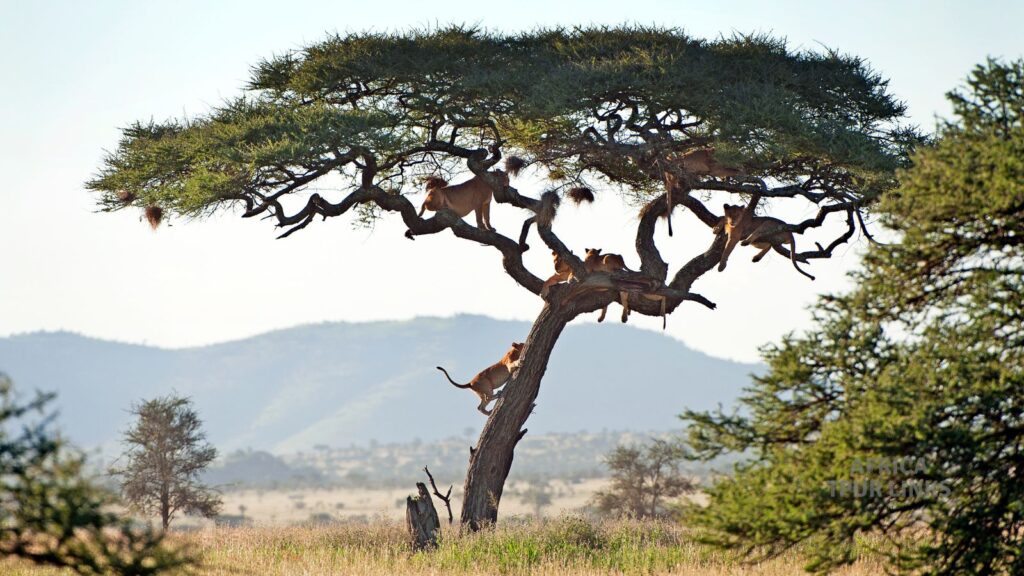
Today, most safaris are focused on wildlife viewing and photography rather than hunting. The modern safari emphasizes sustainability, conservation and respect for local ecosystems and communities.
A journey that never ended
The first safaris were not holidays—they were demanding expeditions into the unknown. Yet they laid the foundation for one of the world’s most iconic travel experiences.
Today, a safari in Africa is still a journey—but one that connects people not only with wildlife, but with history, culture and the enduring spirit of exploration.




1 Comment
Hi, this is a comment.
To get started with moderating, editing, and deleting comments, please visit the Comments screen in the dashboard.
Commenter avatars come from Gravatar.