

Discover the breathtaking beauty of Kilimanjaro National Park, home to Africa’s highest mountain, unique ecosystems, endangered wildlife, and one of the world’s most remarkable natural landscapes
Kilimanjaro National Park
By Africa Tour Links
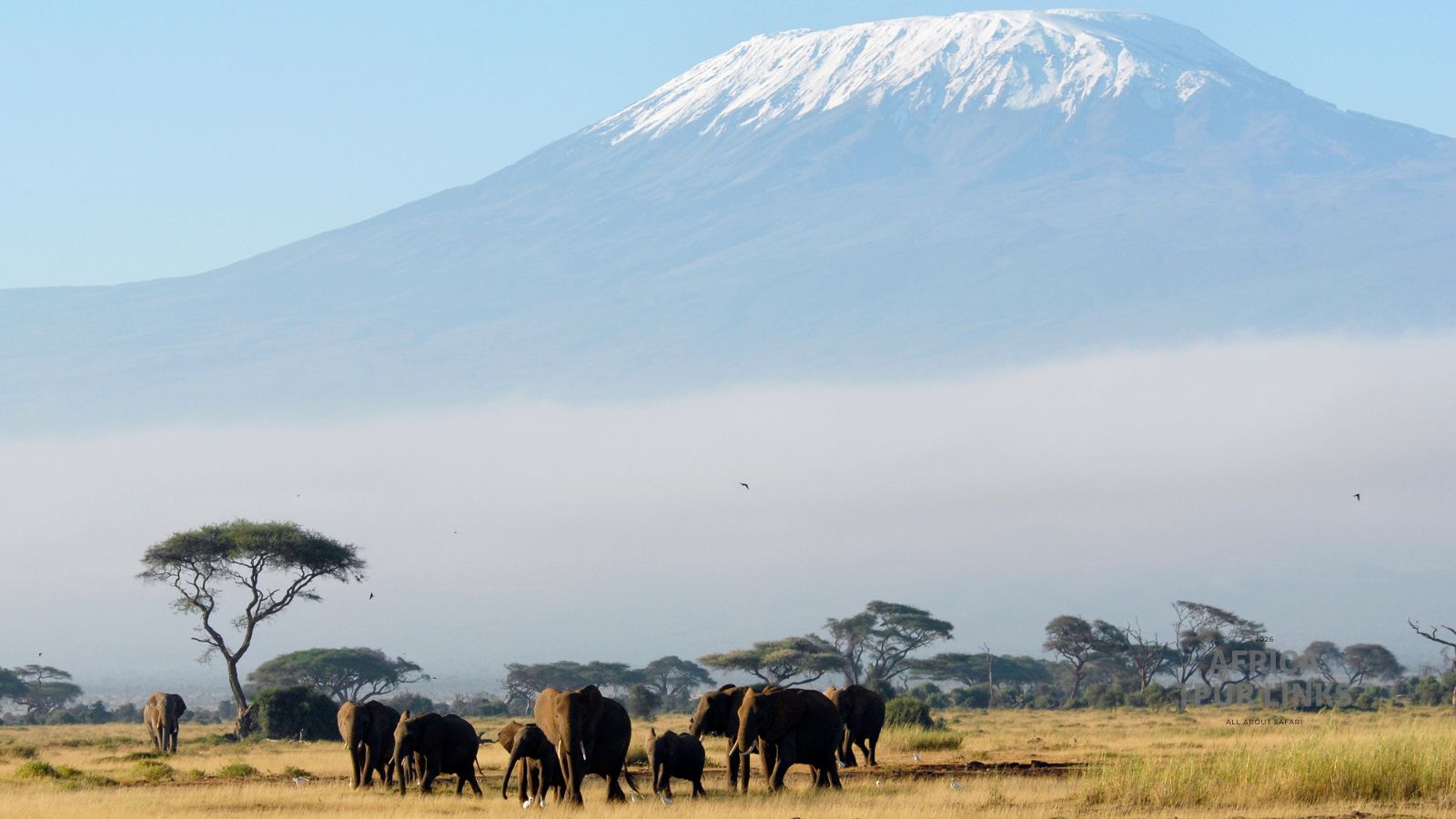
“Rising majestically to 5,895 metres above sea level, Mount Kilimanjaro is the highest mountain in Africa and one of the most famous natural landmarks on Earth. Located in northern Tanzania, Kilimanjaro National Park protects this extraordinary volcanic mountain, where snow-covered peaks rise dramatically above the surrounding African savannah.
The park represents a rare combination of breathtaking scenery, geological importance, and rich biodiversity. Its isolated position, impressive height, and changing landscapes make Kilimanjaro one of Africa’s greatest natural treasures”.
A Mountain Like No Other
Kilimanjaro is the largest free-standing volcanic mountain in the world, rising almost 5,000 metres above the surrounding plains. Unlike mountain ranges that form part of larger systems, Kilimanjaro stands alone, creating a dramatic view that has inspired explorers, climbers, and travellers for generations.
The mountain consists of three main volcanic peaks:
Kibo: The Roof of Africa
Kibo is the highest and youngest of Kilimanjaro’s volcanic cones and contains the summit known as Uhuru Peak. Covered by glaciers and snowfields, it is the highest point on the African continent and the ultimate goal for thousands of climbers every year.
Mawenzi: The Rugged Peak
Mawenzi reaches 5,149 metres and is known for its sharp ridges, cliffs, and dramatic volcanic formations. Although it cannot be climbed to the summit without technical experience, its unique shape adds to Kilimanjaro’s unforgettable skyline.
Shira: The Ancient Volcano
Shira is the oldest of Kilimanjaro’s three volcanic cones. Its remains form a high plateau that offers spectacular views and is part of the mountain’s fascinating geological history.
Five Unique Vegetation Zones
One of Kilimanjaro’s most remarkable features is the variety of ecosystems found as you move from the lower slopes to the summit. The mountain contains five major vegetation zones, each with its own climate, plants, and wildlife.
Cultivated Lower Slopes
The foothills of Kilimanjaro are surrounded by farmland and villages where local communities grow coffee, bananas, and other crops. These areas reflect the long relationship between people and the mountain.
Montane Rainforest
The rainforest zone is one of the most beautiful parts of the park. Covered with tall trees, mosses, and tropical plants, it receives high rainfall and provides a home for many animals, including monkeys and numerous bird species.
Heath and Moorland
Higher up, the forest gives way to a unique landscape filled with giant heathers, giant lobelias, and other mountain plants adapted to cooler conditions.
Alpine Desert
The landscape becomes increasingly dry and rocky, with limited vegetation. This area creates a dramatic contrast between the green lower slopes and the icy summit.
Arctic Summit Zone
At the top of Kilimanjaro, glaciers, ice fields, and volcanic rocks create an environment similar to the Arctic. Despite the extreme conditions, this region remains one of the most impressive mountain landscapes in the world.
Wildlife of Kilimanjaro National Park
Although Kilimanjaro is famous mainly for its mountain scenery, the park also protects important wildlife habitats. The surrounding forests support many species, including some that are rare and endangered.
Animals found in and around the park include:
- Elephants
- African buffalo
- Antelope species
- Colobus monkeys
- Blue monkeys
- Bushbucks
- Numerous bird species
The wildlife adds another dimension to the Kilimanjaro experience, allowing visitors to combine mountain adventure with African nature exploration.
Why Kilimanjaro Is a Heritage Site
Kilimanjaro National Park was recognised for its outstanding natural value because of its exceptional combination of:
- The highest mountain in Africa
- A spectacular snow-covered volcanic peak
- Unique geological formations
- Five different ecological zones
- Rich biodiversity
- A dramatic landscape rising above the surrounding plains
The mountain is considered one of the world’s greatest natural phenomena because of its height, beauty, and isolated position.
Climbing Kilimanjaro: A Journey Through Nature
Climbing Kilimanjaro is one of Africa’s most unforgettable adventures. Unlike many high mountains, it does not require technical climbing skills, making it accessible to many determined hikers with proper preparation.
Popular routes include:
- Marangu Route – known as the “Coca-Cola Route,” offering comfortable mountain huts.
- Machame Route – famous for beautiful scenery and a more challenging experience.
- Lemosho Route – a scenic route with excellent acclimatisation opportunities.
- Rongai Route – approaching from the quieter northern side of the mountain.
- Northern Circuit Route – a longer route offering some of the best chances for successful summit attempts.
Each route provides a different perspective of Kilimanjaro’s landscapes and ecosystems.
Protecting Kilimanjaro for Future Generations
Kilimanjaro faces several environmental challenges, including climate change, glacier retreat, forest pressure, pollution, and increasing tourism demand. The mountain’s famous glaciers have experienced significant reduction over recent decades, making conservation efforts increasingly important.
Protecting Kilimanjaro requires cooperation between park authorities, local communities, researchers, and visitors. Sustainable tourism practices, responsible climbing, and conservation programmes are essential to preserve this global treasure.
A Symbol of Africa’s Natural Beauty
Kilimanjaro is more than a mountain. It is a symbol of Africa’s landscapes, resilience, and natural diversity. From tropical forests filled with wildlife to icy summit landscapes above the clouds, Kilimanjaro National Park offers one of the most extraordinary journeys on the planet.
For travellers seeking adventure, nature, and a connection with Africa’s wilderness, Kilimanjaro remains an unforgettable destination and a true wonder of the world.
Kilimanjaro National Park
Location: Northern Tanzania
Established: 1973
Area: Approximately 75,575 hectares
Highest Point: Uhuru Peak – 5,895 metres
Main Peaks: Kibo, Mawenzi, Shira
Best Known For: Africa’s highest mountain, trekking, glaciers, wildlife, and unique ecosystems