


Explore the Untouched Wilderness of Nyerere National Park Tanzania, Home to the Rufiji River, Incredible Wildlife, and Unforgettable Safari Adventures
Nyerere National Park: Tanzania’s Untouched Safari Wilderness
By Africa Tour Links
“Nyerere National Park is one of Tanzania’s most extraordinary safari destinations, offering visitors a chance to explore vast, unspoiled wilderness far from the crowds found in many of East Africa’s more famous parks. Located in southern Tanzania, the park is part of the historic Selous ecosystem, one of the largest protected wildlife areas on the African continent. Rich in biodiversity, dramatic landscapes, and unique safari experiences, Selous is the perfect destination for travelers seeking adventure, tranquility, and authentic encounters with nature.
The park’s remote location has helped preserve its wild character, making every safari feel like an expedition into untouched Africa. Whether traveling by vehicle, boat, or on foot, visitors can experience wildlife in its natural habitat while enjoying breathtaking scenery that changes with every season”.
The History of Nyerere National Park
The Nyerere region has a long conservation history dating back to the early 20th century. The original Nyerere was started as Selous Game Reserve was established in 1922 and named after British explorer and conservationist Frederick Courteney Selous, who was well known for his exploration of southern Africa and his passion for wildlife.
For decades, the reserve protected one of Africa’s largest remaining wilderness areas. In 1982, the Selous Game Reserve was recognized as a UNESCO World Heritage Site because of its exceptional ecological value and remarkable diversity of wildlife.
In 2019, the northern section of the reserve was officially designated as Nyerere National Park, while the southern portion remained the Selous Game Reserve under separate management. Together, they continue to protect one of the world’s most significant natural ecosystems and remain among Tanzania’s premier safari destinations.
A Landscape Unlike Any Other
Nyerere National Park is famous for its incredible variety of landscapes. The mighty Rufiji River flows through the park, creating a network of channels, lagoons, oxbow lakes, wetlands, and floodplains that support an abundance of wildlife throughout the year.
Beyond the river lie vast savannahs, open grasslands, dense forests, miombo woodlands, rocky hills, and palm-fringed lakes. These diverse habitats provide ideal conditions for hundreds of species of mammals, reptiles, birds, and fish.
Unlike parks dominated by open plains, Selous offers constantly changing scenery, making every game drive unique. Visitors may spend one hour driving through woodland before emerging onto expansive floodplains filled with grazing animals and spectacular river views.
Incredible Wildlife Encounters
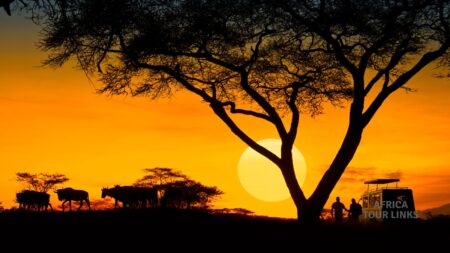
Nyerere National Park is home to one of the richest concentrations of wildlife in East Africa. The park supports large populations of African elephants, Cape buffaloes, giraffes, zebras, wildebeest, impalas, waterbucks, elands, bushbucks, and warthogs.
Predators are equally impressive. Lions patrol the grasslands, leopards hide among riverine forests, spotted hyenas roam across the plains, and the elusive African wild dog, one of the continent’s most endangered carnivores, can occasionally be seen hunting in packs. Selous is considered one of the most important remaining habitats for this remarkable species.
The Rufiji River is home to thousands of hippos and Nile crocodiles, while over 440 bird species have been recorded throughout the ecosystem. Fish eagles, kingfishers, bee-eaters, herons, storks, hornbills, and colorful rollers delight bird enthusiasts throughout the year.
Unique Safari Activities
One of the reasons Nyerere National Park stands out from other safari destinations is the variety of activities available:
Game Drives
Morning and afternoon game drives allow visitors to explore the park’s extensive road network while searching for elephants, lions, giraffes, buffaloes, and countless other species. Because visitor numbers remain relatively low, wildlife sightings often feel private and exclusive.
Boat Safaris
The Rufiji River offers one of Tanzania’s most unique safari experiences. Boat safaris allow visitors to approach wildlife from the water, providing close views of hippos, crocodiles, elephants drinking along the riverbanks, and countless bird species. Sunset cruises are especially memorable as the golden light reflects across the river and animals gather at the water’s edge.
Walking Safaris
Walking safaris provide an entirely different perspective of the African wilderness. Accompanied by experienced armed guides, visitors learn to identify animal tracks, medicinal plants, insects, birds, and the smaller details of the ecosystem that are often missed during vehicle safaris.
Birdwatching
Birdwatchers consider Nyerere one of Tanzania’s finest destinations. During the rainy season, migratory birds arrive from Europe and Asia, joining the park’s impressive resident bird population. The wetlands and riverbanks provide excellent opportunities for photography and wildlife observation.
Best Time to Visit
Nyerere National Park can be visited throughout the year, but each season offers different experiences.
From June to October, the dry season provides the best wildlife viewing. Vegetation becomes thinner, water sources become limited, and animals gather near rivers and lakes, making them easier to spot.
Between November and May, the rainy season transforms the landscape into a lush green paradise. Flowers bloom across the plains, birdlife reaches its peak, and many animals give birth to their young. While some roads may become more difficult to navigate after heavy rainfall, the scenery is spectacular and visitor numbers are significantly lower.
How to Get There
Nyerere National Park is easily accessible from Dar es Salaam. The fastest option is a domestic flight, which takes approximately one hour and lands at one of several airstrips inside the park. Many luxury safari lodges offer fly-in safari packages, making travel quick and comfortable.
Travelers can also reach the park by road. Depending on the entry gate and road conditions, the journey takes between five and seven hours from Dar es Salaam. Many visitors combine Selous with Mikumi National Park, Ruaha National Park, Zanzibar, or Mafia Island to create an unforgettable southern Tanzania safari circuit.
Where to Stay
Accommodation options range from luxury safari lodges and elegant tented camps to comfortable mid-range camps and budget-friendly options. Many lodges are located along the Rufiji River, offering stunning views where guests can watch elephants, hippos, and birds directly from their private verandas.
Several camps also offer fly-camping experiences, allowing adventurous travelers to spend a night under the African sky surrounded by the sounds of the wilderness.
Conservation and Sustainable Tourism
Nyerere National Park plays a vital role in Tanzania’s conservation efforts. Its vast ecosystems protect endangered wildlife, preserve important water catchments, and support ecological processes that benefit the surrounding region.
Sustainable tourism contributes directly to conservation while creating employment opportunities for nearby communities. Visitors who choose responsible safari operators help protect wildlife and ensure that future generations can continue to experience this extraordinary wilderness.
Why Selous National Park Should Be on Your Travel List
Nyerere National Park offers a safari experience unlike any other in Tanzania. Its immense landscapes, remarkable wildlife, peaceful atmosphere, and unique combination of game drives, boat safaris, and walking safaris make it an ideal destination for nature lovers, photographers, birdwatchers, and adventure travelers.
Unlike more heavily visited parks, Nyerere provides a genuine sense of exploration where visitors can enjoy incredible wildlife encounters without the crowds. Whether watching elephants cross the Rufiji River at sunset, listening to lions roar beneath the stars, or walking through ancient woodlands with an expert guide, every moment in Nyerere National Park becomes a lasting memory of Africa’s untamed beauty.
Essential Park Facts
Location: Southern Tanzania
Area: Part of the greater Nyerere ecosystem, one of Africa’s largest protected wilderness areas.
Nearest City: Dar es Salaam
Travel Time: Approximately 1 hour by domestic flight or 5–7 hours by road.
Best Time to Visit: June to October for wildlife viewing; November to May for lush scenery and birdwatching.
Top Activities: Game drives, boat safaris, walking safaris, birdwatching, photography, fly camping, and cultural visits.
Famous Wildlife: Elephants, lions, leopards, African wild dogs, buffaloes, giraffes, zebras, hippos, crocodiles, and over 440 bird species.