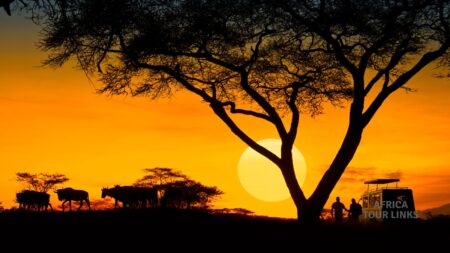
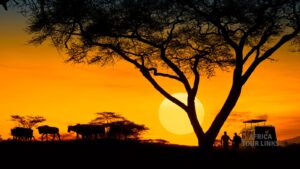



The endless plains of Tanzania offer one of the greatest wildlife spectacles on Earth.
Serengeti National Park: Home of the Great Migration in Tanzania
The Serengeti National Park is one of the most iconic safari destinations in Africa. Known for its vast open plains, incredible wildlife density, and the world-famous Great Migration, the Serengeti attracts travelers, photographers, and nature lovers from every corner of the globe.
Located in northern Tanzania, the Serengeti ecosystem covers thousands of square kilometers of grasslands, woodlands, and river systems that support one of the largest concentrations of wild animals on Earth.
The Great Migration
The Great Migration is the Serengeti’s biggest attraction. Each year, millions of wildebeest move in a circular route between the Serengeti and Kenya’s Maasai Mara National Reserve.
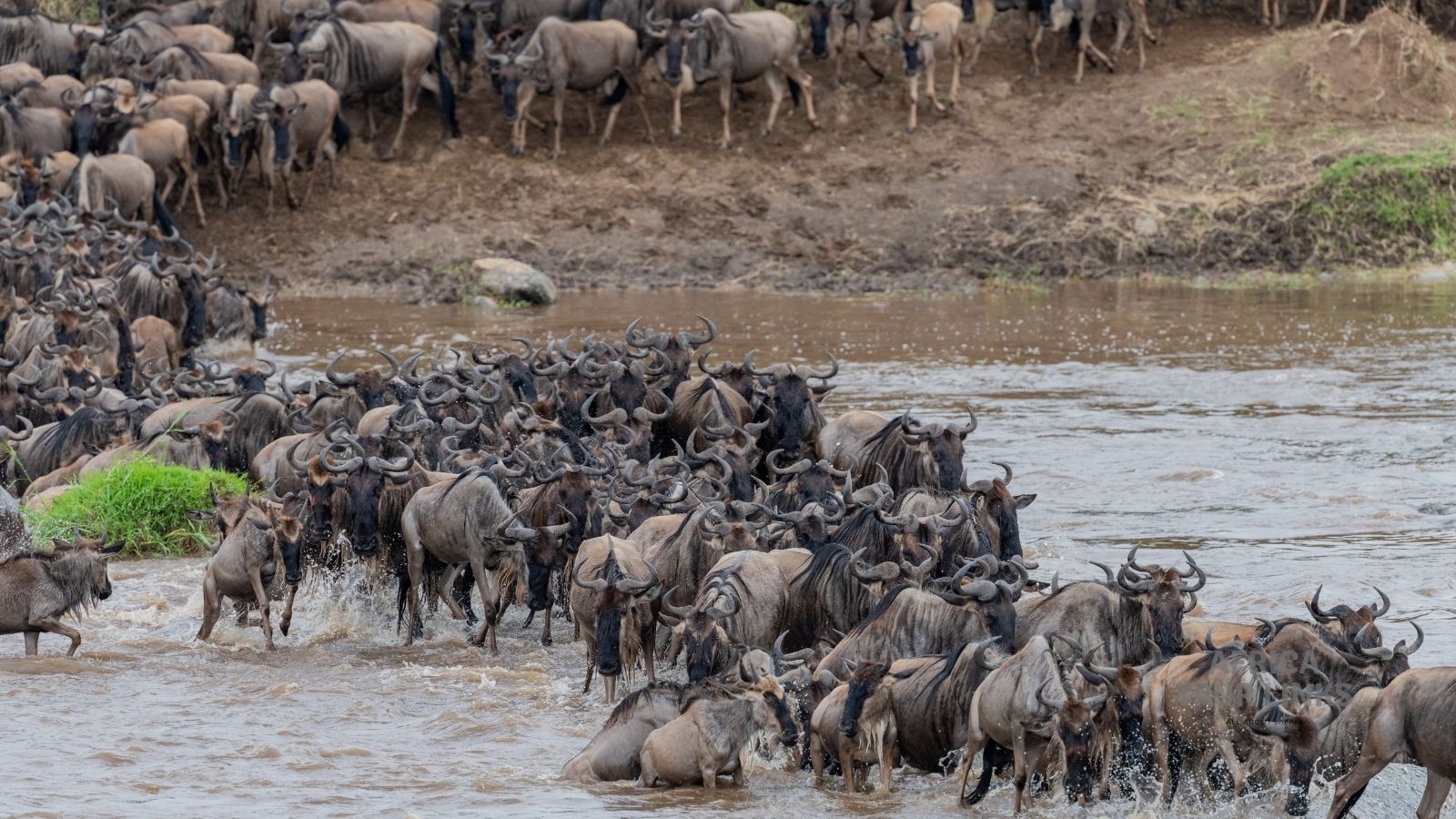
The migration follows seasonal rains and fresh grass. Herds move across dangerous terrain filled with predators waiting for opportunities to hunt. One of the most dramatic moments occurs during river crossings, where thousands of wildebeest plunge into crocodile-filled waters while trying to reach safer grazing grounds.
The migration usually changes location depending on the season. From December to March, the herds gather in the southern Serengeti for calving season. Between June and October, many animals move northward toward the Mara River.
 |
 |
 |
Wildlife in the Serengeti
The Serengeti is famous for having some of the best wildlife viewing in Africa. Visitors can spot the Big Five, including lions, elephants, buffaloes, leopards, and rhinos.
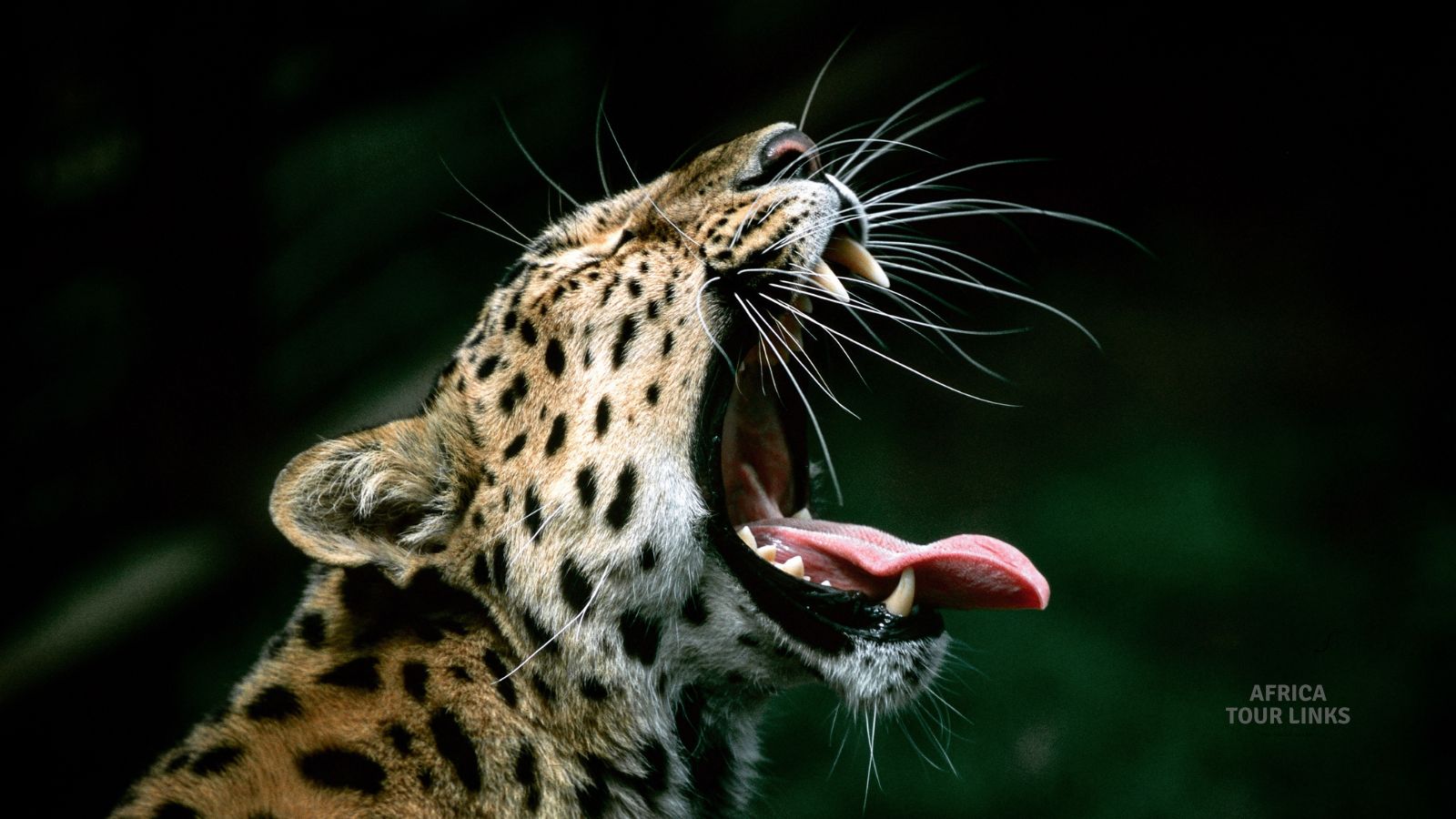
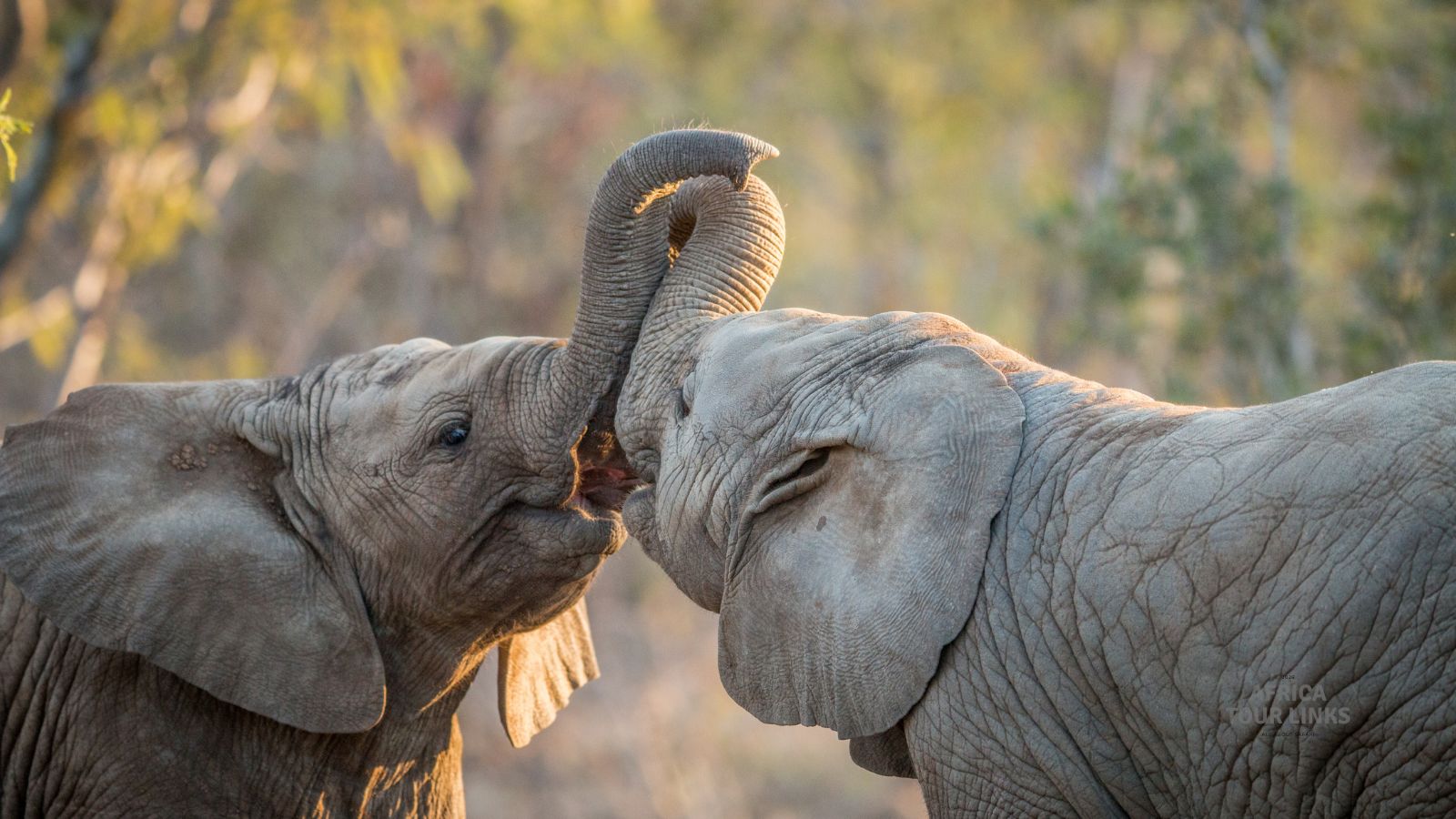
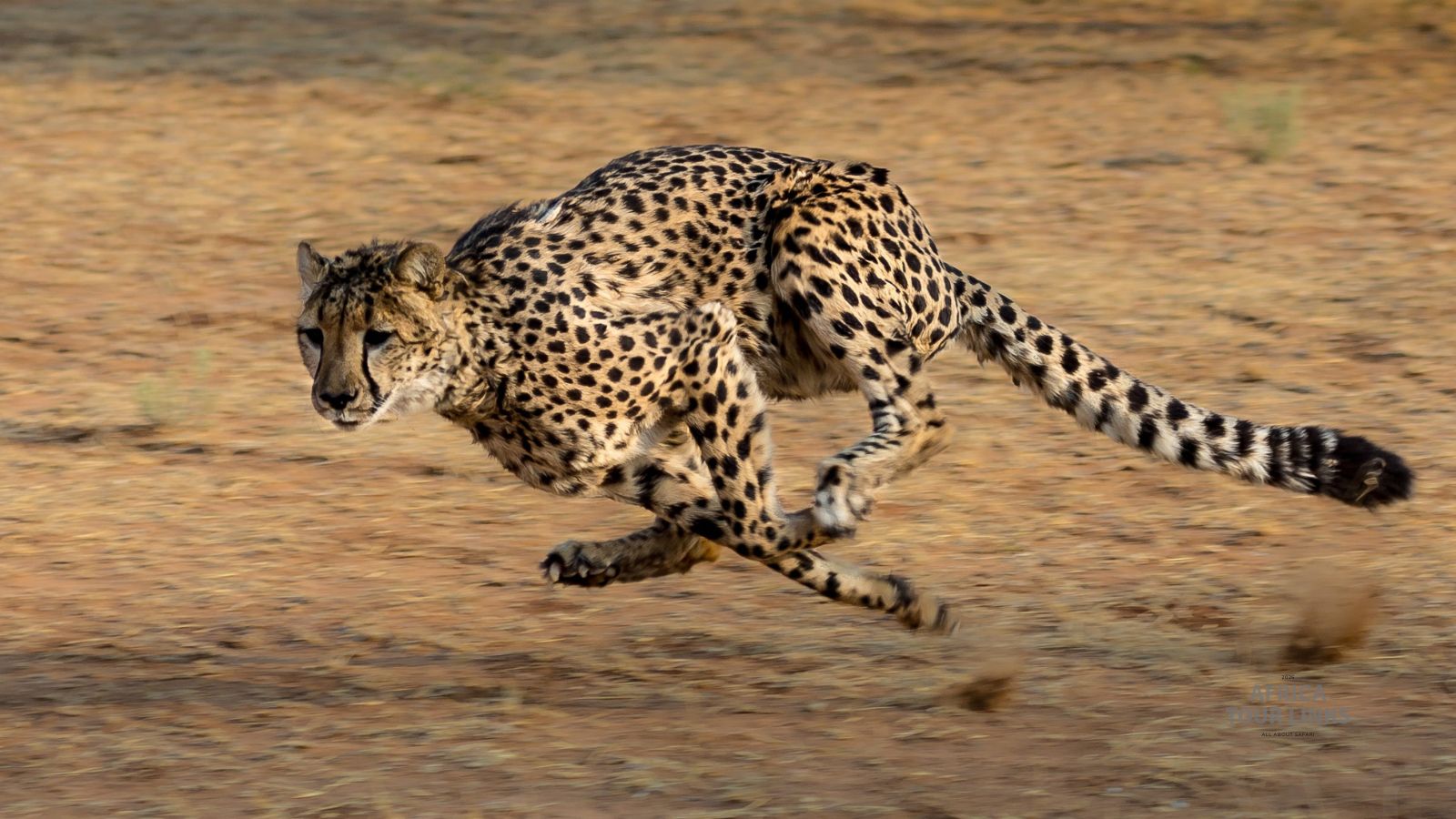
The park is particularly known for its large lion population. Cheetahs are often seen resting on termite mounds while scanning the plains for prey. Leopards hide within acacia trees near rivers, while massive elephant herds travel through woodland areas.
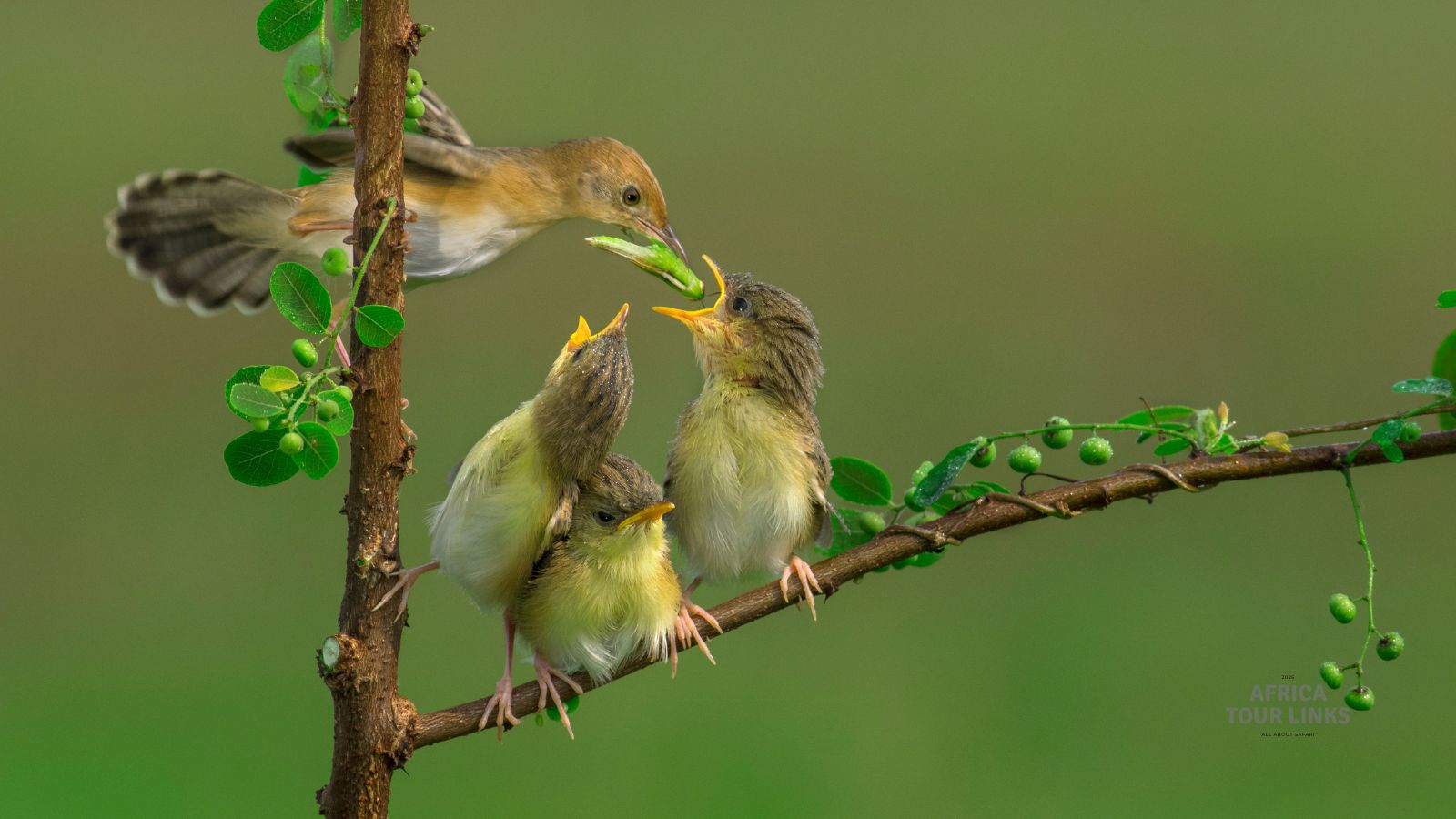
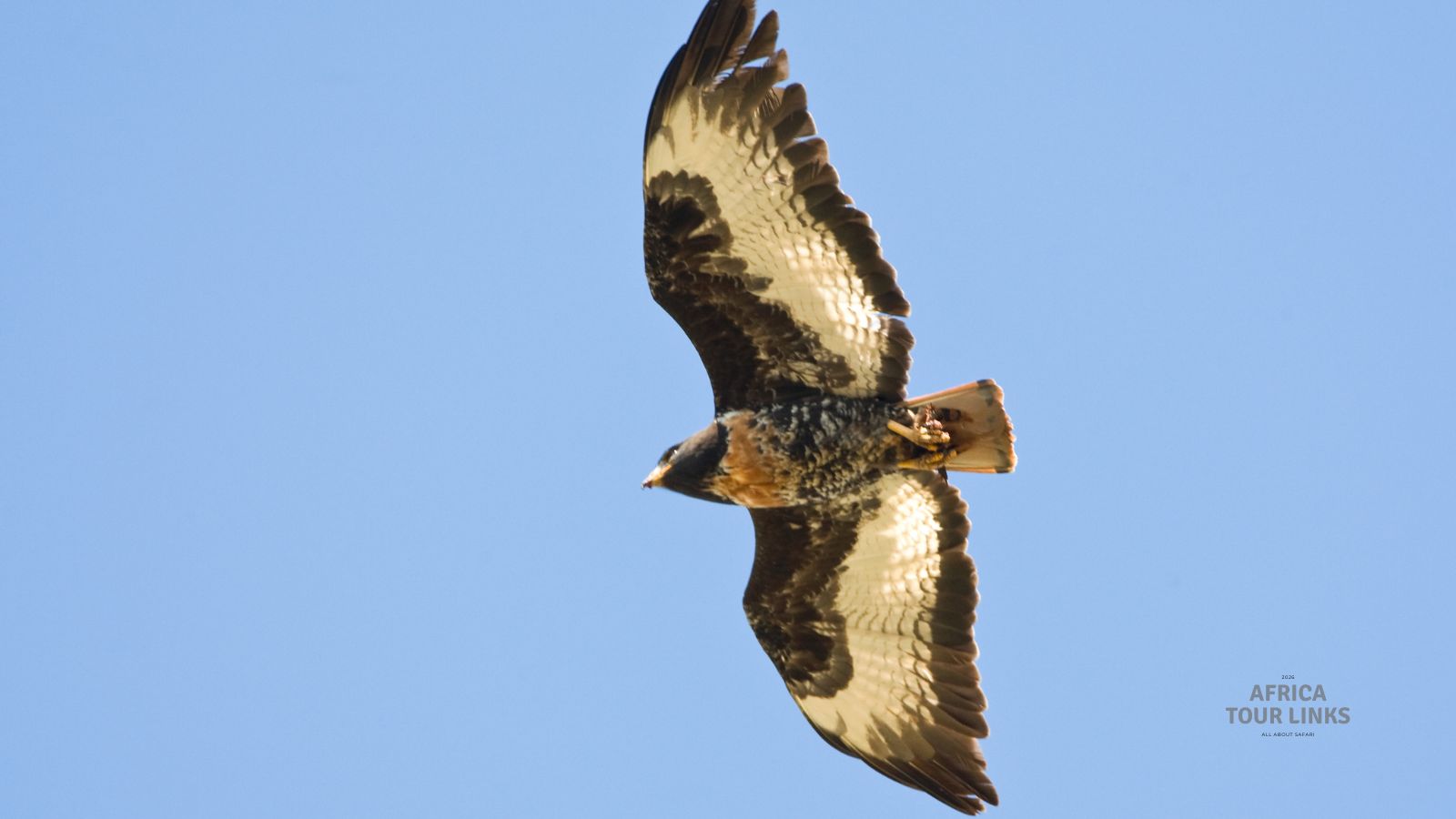
Bird lovers also find paradise in the Serengeti. More than 500 bird species have been recorded, including ostriches, secretary birds, vultures, eagles, and colorful lilac-breasted rollers.
Landscape and Natural Beauty
One of the most remarkable things about the Serengeti is its endless landscape. The name “Serengeti” comes from the Maasai word “Siringet,” meaning endless plains.
Golden grasslands stretch to the horizon, interrupted by rocky kopjes, scattered acacia trees, and seasonal rivers. During sunrise and sunset, the scenery becomes especially breathtaking, making the park a dream destination for photographers.
The changing seasons transform the environment throughout the year. During the rainy season, the plains become green and full of life, while the dry season creates dramatic safari scenes around rivers and waterholes.
Best Time to Visit
The Serengeti can be visited all year round, but different seasons offer unique experiences.
From January to March, visitors can witness the calving season in the southern plains, where thousands of baby wildebeest are born daily. This period also attracts predators such as lions and hyenas.
Between June and October, the dry season offers excellent wildlife viewing because animals gather near water sources. This is also the best time to witness famous river crossings in northern Serengeti.
Safari Experiences
The Serengeti offers a wide range of safari experiences for visitors. Traditional game drives remain the most popular activity, allowing tourists to explore the plains and search for wildlife.
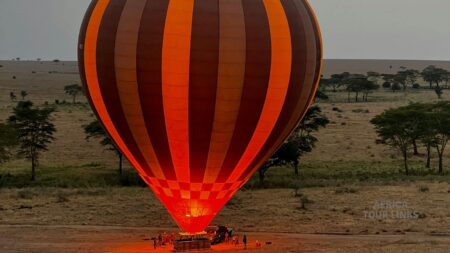
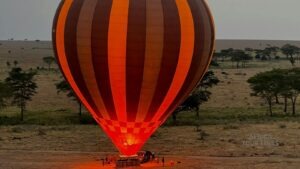
Hot air balloon safaris provide a unique perspective from above, especially during sunrise. Walking safaris and cultural visits to Maasai communities also give travelers deeper insight into the region’s nature and traditions.
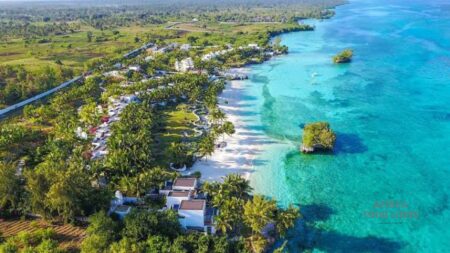
Luxury lodges, tented camps, and mobile camps are available across the park, offering accommodation options for different budgets and travel styles.
Conservation Importance
The Serengeti plays a major role in wildlife conservation in Africa. The ecosystem supports millions of animals and protects critical migration routes that have existed for centuries.
Conservation organizations and the Tanzanian government continue working to protect the park from threats such as poaching, habitat destruction, and climate change.
 |
 |
The Serengeti was declared a UNESCO World Heritage Site because of its ecological importance and extraordinary biodiversity.
Location: Northern Tanzania,Famous For: The Great Migration,Size: Approximately 14,750 square kilometers,Best Time to Visit: June to October and January to March
Main Animals: Wildebeest, lions, elephants, cheetahs, zebras, leopards,Bird Species: Over 500 species
UNESCO Status: World Heritage Site,Popular Activities: Game drives, balloon safaris, photography, birdwatching, Nearest Gateway: Arusha, Ecosystem Connection: Linked with Maasai Mara in Kenya