




Discover the spiritual heart of Botswana and one of Africa’s greatest archaeological wonders
Botswana’s Sacred Mountains and Ancient Rock Art Treasure
By Africa Tour Links
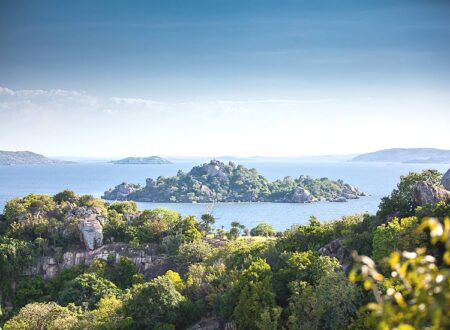
Deep in the remote northwestern region of Botswana lies a place filled with mystery, history and breathtaking beauty. Tsodilo Hills is often called the “Louvre of the Desert” because of its extraordinary concentration of ancient rock paintings, spiritual significance and untouched natural landscape.
Rising dramatically from the flat Kalahari landscape, the hills contain thousands of rock art paintings created over many centuries by indigenous communities. Today, Tsodilo Hills is one of Botswana’s most important cultural landmarks and a UNESCO World Heritage Site attracting travellers, archaeologists, photographers and nature lovers from around the world.
A Sacred Place in Botswana
For the local San people, Tsodilo Hills is much more than a tourist attraction. The hills are considered sacred and are deeply connected to traditional beliefs, spirituality and ancestral history.
The site consists of four main hills commonly referred to as the Male, Female, Child and an unnamed smaller hill. According to local traditions, these hills represent an ancient spiritual family watching over the surrounding land.
Visitors often describe Tsodilo Hills as peaceful, mystical and deeply emotional because of the silence and powerful atmosphere surrounding the area.
One of Africa’s Greatest Rock Art Sites
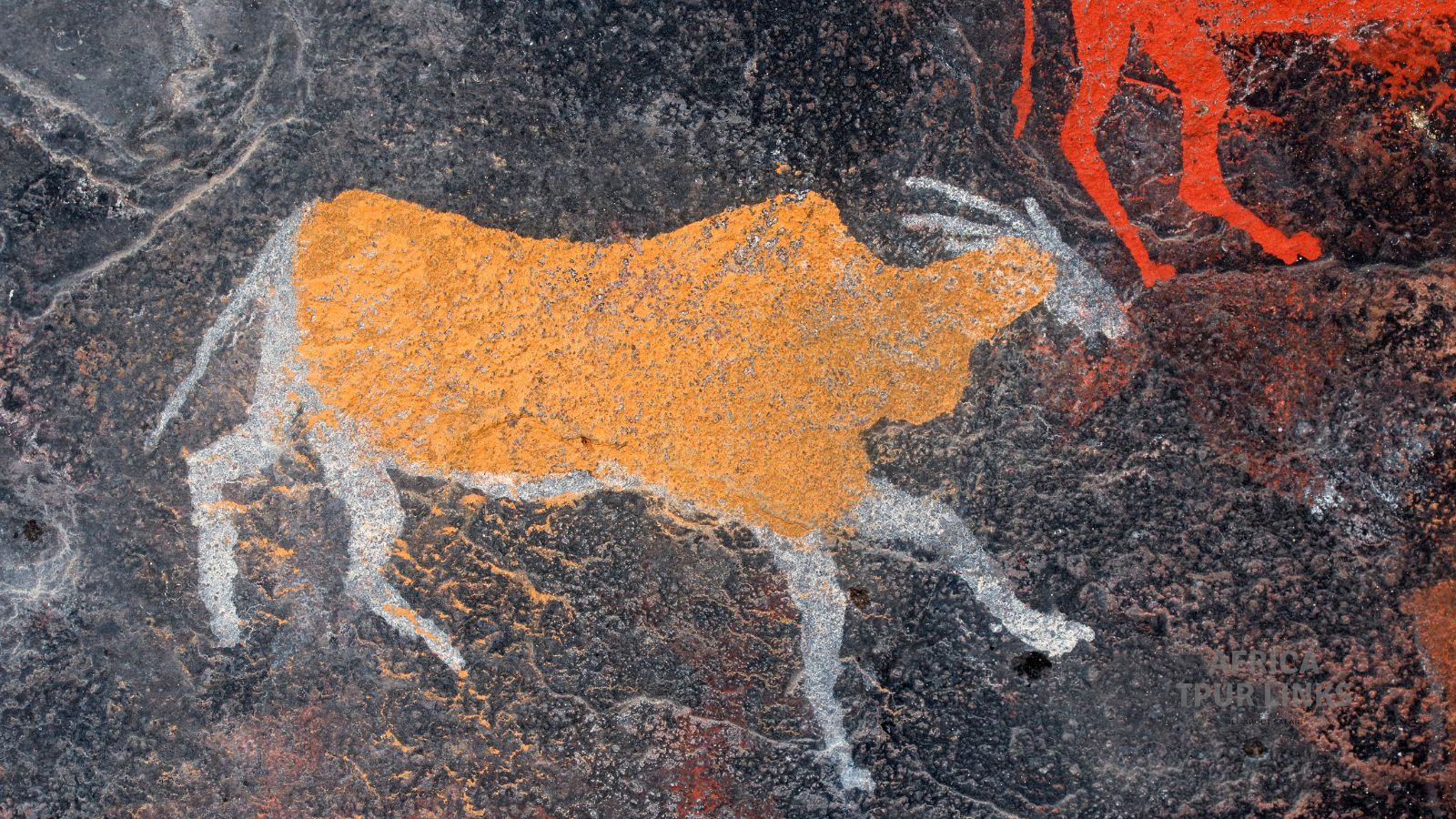
Tsodilo Hills contains more than 4,500 ancient rock paintings spread across caves and rock shelters. Some of these artworks are believed to be thousands of years old.
The paintings include:
Animals of the Kalahari
Many paintings show giraffes, elephants, rhinos, zebras and antelope that once moved through the region in large numbers.
Human Figures and Ritual Scenes
Several artworks display dancing people, hunting scenes and spiritual ceremonies that reveal the cultural life of ancient communities.
Symbolic and Spiritual Art
Some paintings remain mysterious, with symbols and shapes that archaeologists still study today.
The rock art offers a rare window into the lives, beliefs and survival skills of early inhabitants of southern Africa.
Why Tsodilo Hills Is a UNESCO World Heritage Site
UNESCO recognized Tsodilo Hills because of its exceptional cultural and historical importance. The area provides evidence of human activity stretching back over 100,000 years, making it one of the oldest continuously visited sites in human history.
The combination of archaeology, spirituality and natural beauty makes Tsodilo Hills one of Africa’s most unique heritage destinations.
Wildlife and Natural Beauty Around Tsodilo Hills
Although mainly known for its cultural value, Tsodilo Hills also offers beautiful desert scenery and wildlife experiences.
The surrounding Kalahari environment is home to:
- Kudus
- Jackals
- Small antelope species
- Various reptiles
- Numerous bird species
Sunrise and sunset create spectacular views as the rocky hills glow in golden and red colors above the desert landscape.
Hiking and Exploring the Hills
Visitors can explore Tsodilo Hills through guided walking trails that pass ancient caves, viewpoints and rock art sites.
Popular hiking routes include: Rhino Trail, One of the most famous trails leading to impressive white rhino paintings and panoramic views. Lion Trail, A scenic route offering excellent opportunities to experience the spiritual atmosphere of the hills. Female Hill Trail known for stunning viewpoints and important archaeological locations.
Local guides help explain the meaning behind the paintings and the traditions connected to the site.
Best Time to Visit Tsodilo Hills
The dry season between May and October is considered the best time to visit Tsodilo Hills. Temperatures are cooler and hiking conditions are more comfortable.
Travelers visiting northern Botswana often combine Tsodilo Hills with safaris in the nearby Okavango region.
Tourism in Botswana Continues to Grow
Botswana has become one of Africa’s leading eco-tourism destinations thanks to its strong conservation policies, low-impact tourism model and protection of cultural heritage sites like Tsodilo Hills.
The country attracts visitors seeking authentic African wilderness, ancient traditions and exclusive safari experiences.
Botswana’s Sacred Mountains and Ancient Rock Art Treasure