




Wine in Tanzania
Discover Tanzania’s growing wine scene, where vineyards are found, what styles are produced, and why East Africa is becoming an unexpected destination for wine lovers.
Wine in Tanzania
By Africa Tour Links
Few travelers expect wine to be part of a journey through Tanzania, yet the country has quietly developed a fascinating wine culture over recent decades. Known globally for safari, beaches, Mount Kilimanjaro, and the spice heritage of Zanzibar, Tanzania also offers vineyards, local wineries, and a growing appreciation for quality wine.
For visitors, wine in Tanzania is not about copying Europe. It is about discovering how grape production has adapted to African climates, local soils, and changing consumer tastes. That makes it an interesting and often surprising part of the country’s broader food and travel story.
Where wine is produced in Tanzania
The best-known wine region in Tanzania is around Dodoma, the nation’s capital area in the central part of the country. The climate there is drier than many coastal zones, making it more suitable for grape growing.
Dodoma has long been associated with vineyards and remains the center of Tanzanian wine production. Several commercial wineries and smaller producers operate in the region, supplying domestic markets as well as some export demand.
Smaller grape-growing activity can also be found in other inland areas where conditions allow.
Why Tanzania can grow grapes
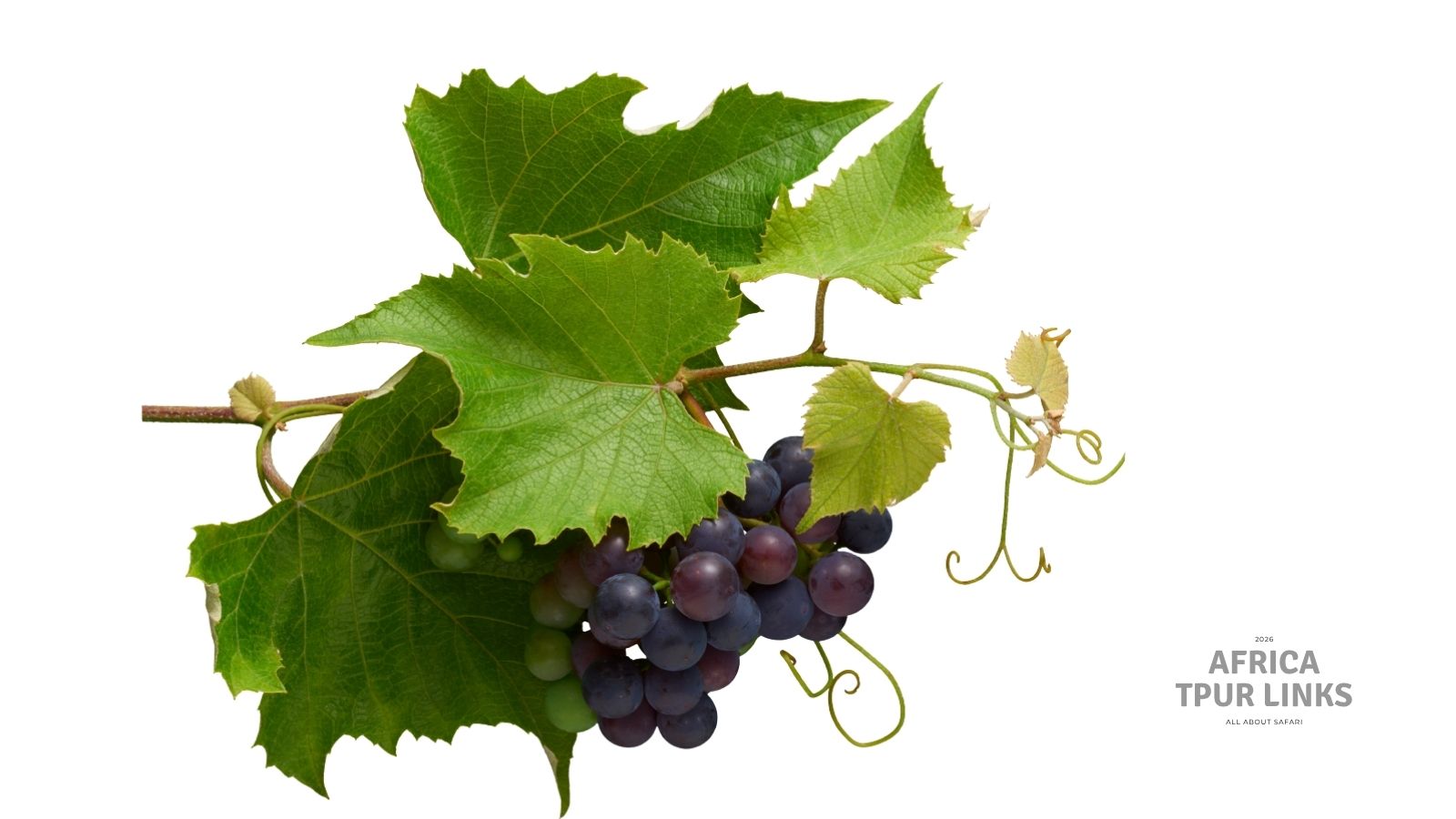
Many people assume tropical Africa is too hot or humid for vineyards. In reality, altitude, dry inland climates, seasonal rainfall, and careful site selection can create workable conditions for viticulture.
Central Tanzania benefits from:
- Warm sunny days
- Distinct dry periods
- Inland terrain
- Suitable soils in selected zones
Successful grape growing often depends on choosing the right varieties and managing irrigation carefully.

What wines are made?
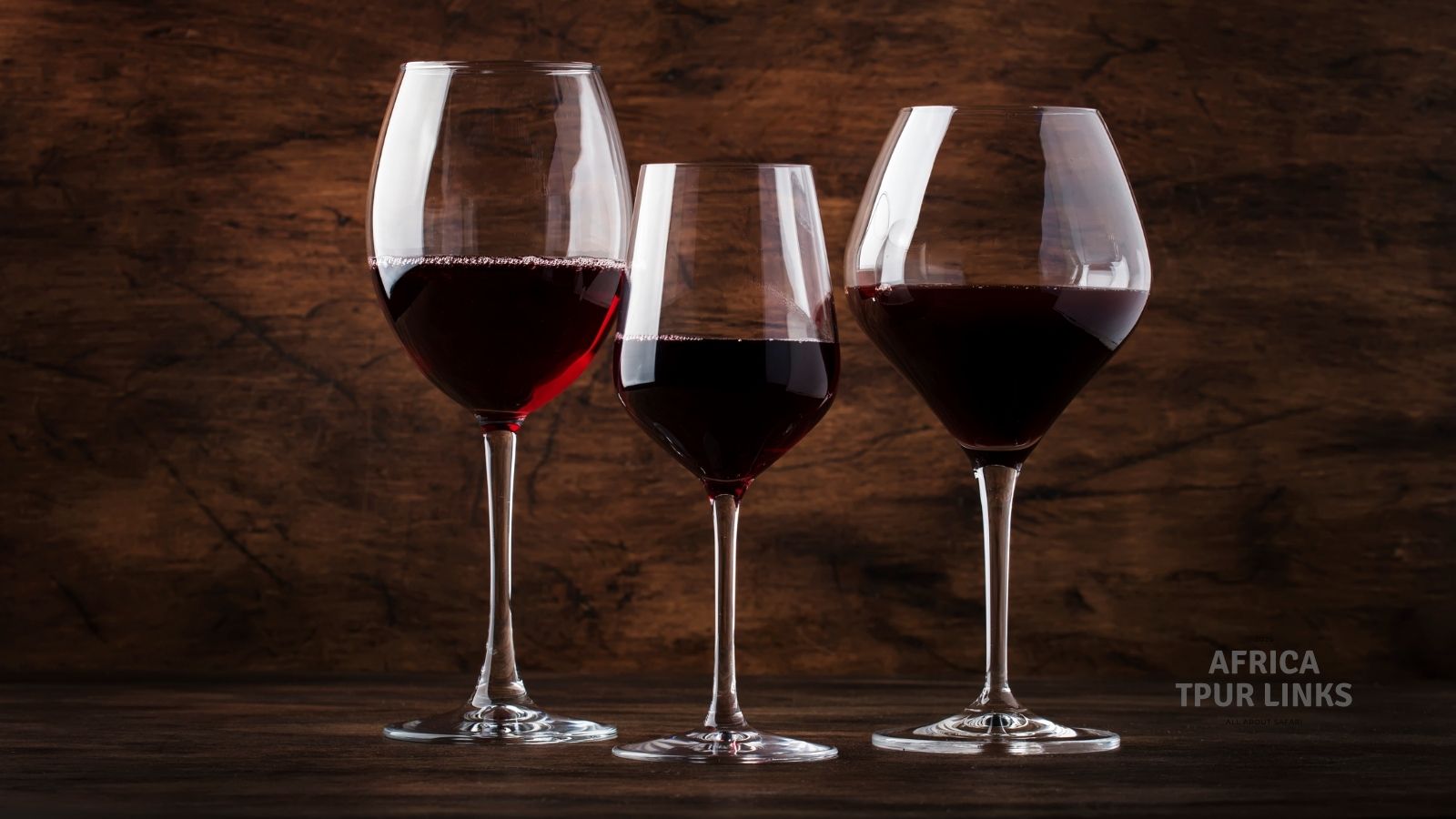
Wine styles in Tanzania range from accessible everyday table wines to more ambitious premium bottlings.
Common styles include:
- Red wines
- White wines
- Rosé wines
- Sweet wines for local tastes
As the market matures, some producers are investing in improved techniques, better vineyard management, and more refined production standards.
Wine and Tanzanian food culture
Wine can pair surprisingly well with East African cuisine. Grilled meats, roasted vegetables, spicy dishes, fresh fish, and tropical fruit flavors often create interesting combinations.
In cities such as Dar es Salaam and Arusha, restaurants, hotels, and international lodges increasingly offer broader wine lists that mix imported labels with local choices.
For travelers, tasting Tanzanian wine with local food adds a different dimension to the journey.
Where visitors can enjoy wine
Dar es Salaam
The country’s commercial capital has restaurants, hotels, and bars where wine culture is strongest. International dining scenes and expat communities have helped expand options.
Arusha
Gateway to northern safaris, Arusha has lodges and upscale venues where wine is often part of the tourism experience.
Dodoma
For travelers interested in the source, Dodoma offers the closest connection to vineyards and production areas.
Zanzibar
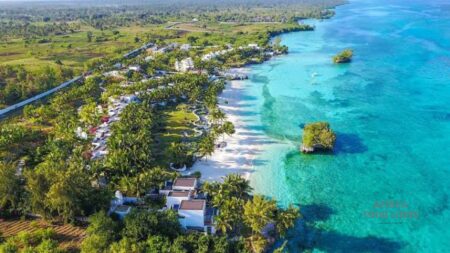
Luxury resorts and fine dining venues on Zanzibar often carry wine lists that include international and selected local labels.
Is Tanzanian wine worth trying?
Yes—especially for curious travelers. Tanzanian wine should not be judged only against famous European regions. It is more interesting to view it as an emerging African expression of wine culture.
Some bottles are simple and approachable. Others can surprise visitors with genuine quality and character.
Trying local wine while traveling often creates the kind of memory standard imports never can.
Read our Tanzania Safari Guide
Explore Zanzibar Beach Holidays
Best Time to Visit Tanzania
Wine tourism potential
Wine tourism in Tanzania remains underdeveloped compared with South Africa or Europe, but that may become an opportunity in the future.
As travelers increasingly seek food, authenticity, and local stories, vineyard visits, tastings, and countryside stays could become attractive additions to classic safari itineraries.
Imagine combining wildlife in Serengeti National Park with a relaxed inland wine experience. Few destinations can offer that contrast.
Final thoughts
Wine in Tanzania is one of those discoveries many visitors never expect. It may not yet be world famous, but it adds texture, originality, and local character to travel across the country.
For travelers who enjoy looking beyond the obvious, Tanzania’s wine scene offers another reason to explore deeper.

Insider guide: how to enjoy wine in Tanzania
Imported labels are common in luxury hotels, but ask specifically for Tanzanian bottles if you want a local experience. Better restaurants may not always highlight domestic wines unless requested. In warm coastal climates, also ask that white or rosé wines are served properly chilled for the best experience.
FAQ
Does Tanzania produce wine?
Yes, especially around Dodoma.
Is Tanzanian wine good?
Quality varies, but some wines are enjoyable and worth discovering.
Where can tourists buy wine?
Hotels, restaurants, supermarkets, and specialist retailers in major cities.
Can wine be part of a safari trip?
Yes, many lodges and camps serve wine.
Is wine tourism popular in Tanzania?
Not yet on a major scale, but potential is growing.
Explore more
Explore more Africa travel guides, safari ideas and handpicked offers on Africa Tour Links.