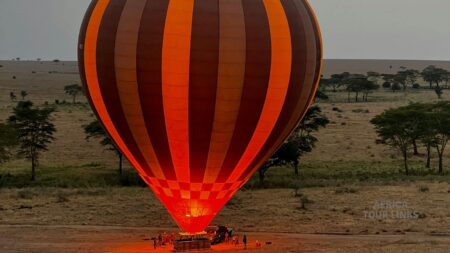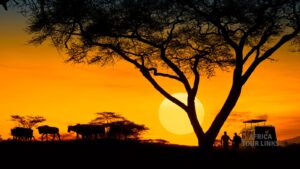



Serengeti National Park ranks among the world’s greatest nature experiences
Serengeti National Park – a visit for a lifetime
Serengeti National Park in Tanzania is known for the great migration, vast wildlife herds and landscapes that capture the very essence of wild Africa.
By The Editorial Team
Millions of travelers dream of visiting Serengeti National Park, where lions, elephants, zebras and wildebeest move through one of the world’s most famous ecosystems. The park stands as a symbol of Africa’s wild nature and remains one of the most iconic safari destinations on Earth.
In the heart of the savannah lies Serengeti National Park, one of East Africa’s most spectacular protected areas. The park covers a vast region in northern Tanzania and borders Masai Mara National Reserve in Kenya. Together, the areas form a connected ecosystem where wildlife moves freely across grasslands, rivers and open plains.
The name Serengeti is believed to come from the Maasai word describing endless plains, and that is exactly what visitors encounter. The horizon appears limitless, while the scenery shifts between open grasslands, rocky outcrops, acacia woodland and river valleys.
The great migration
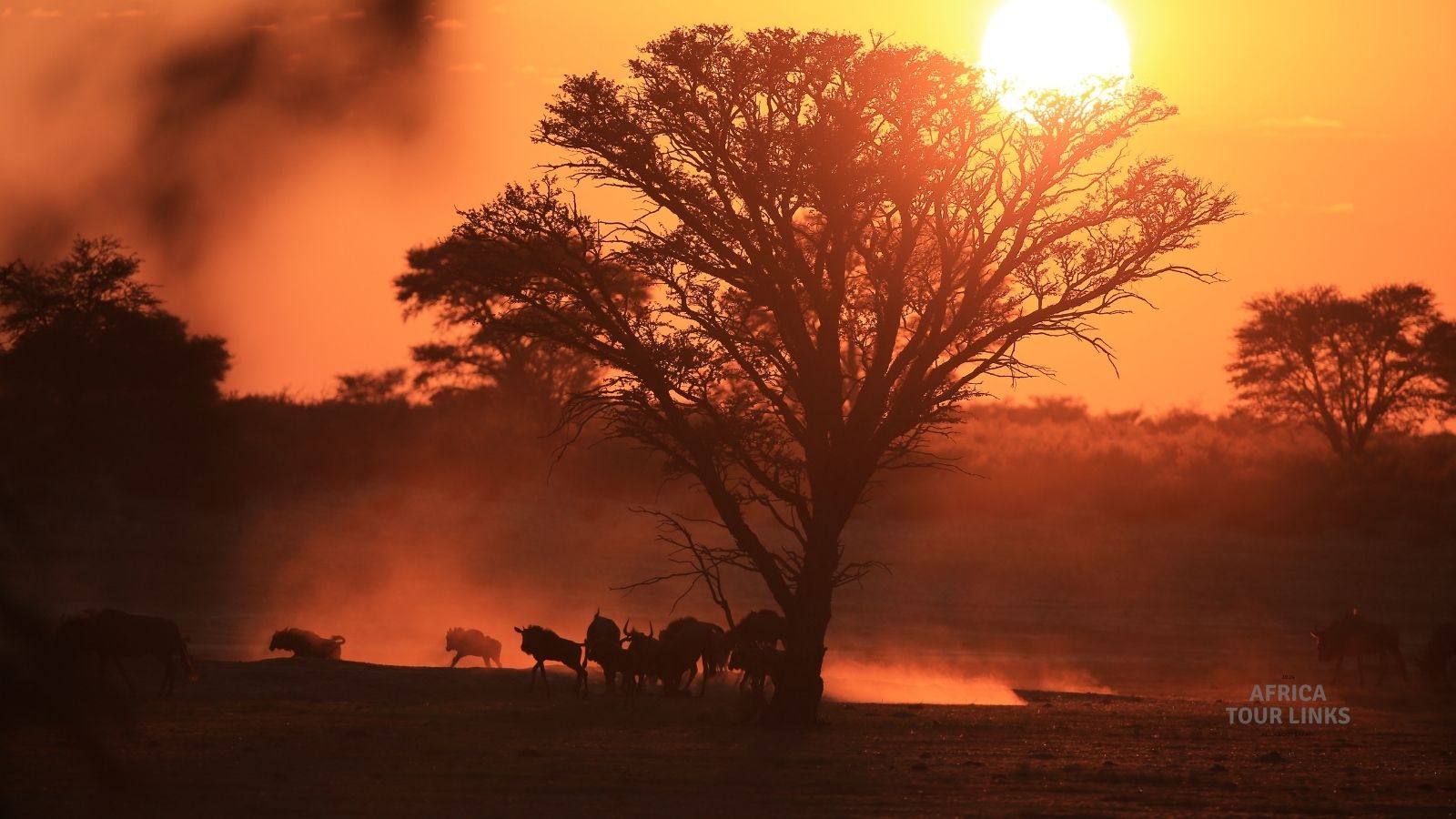
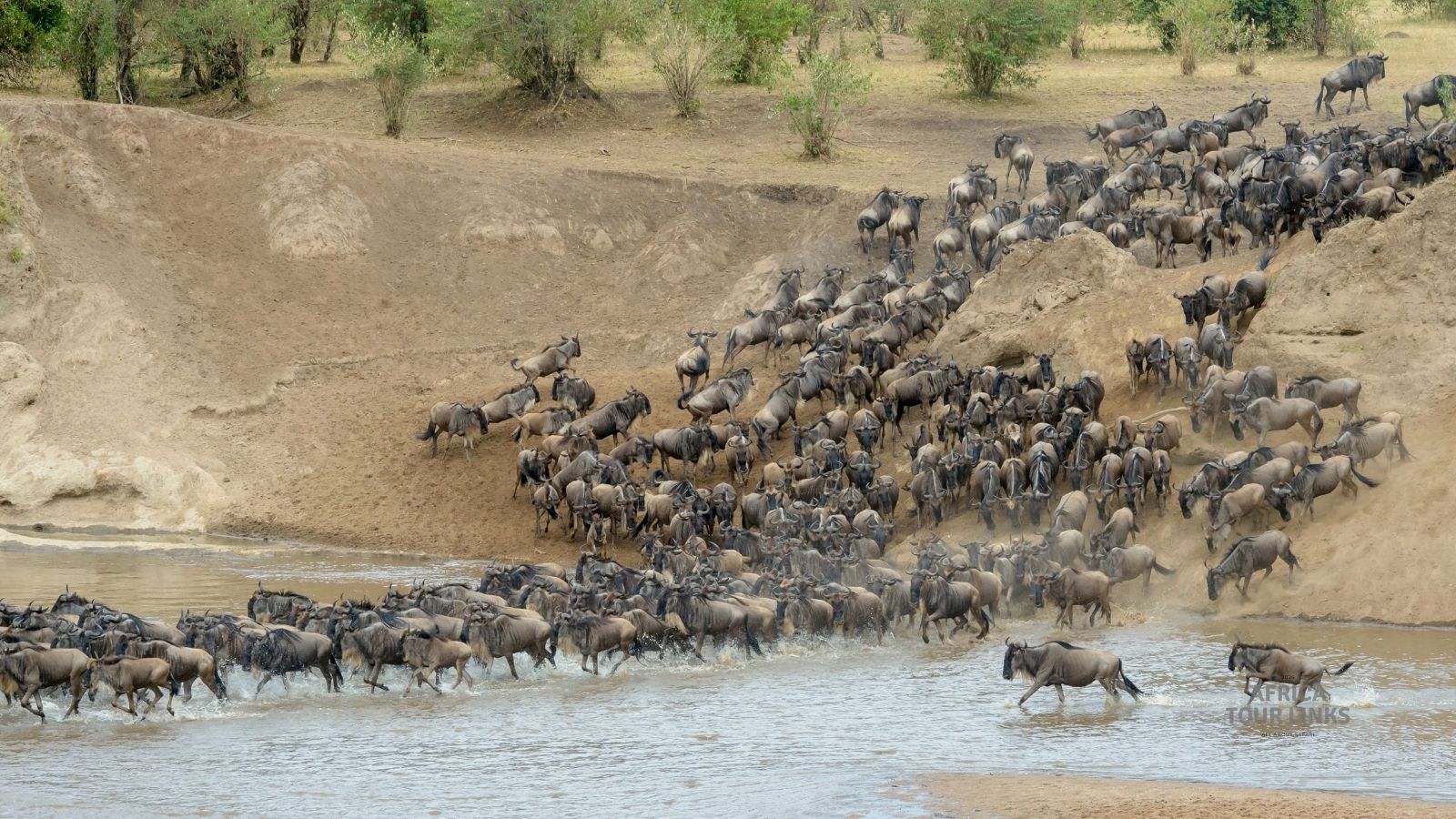
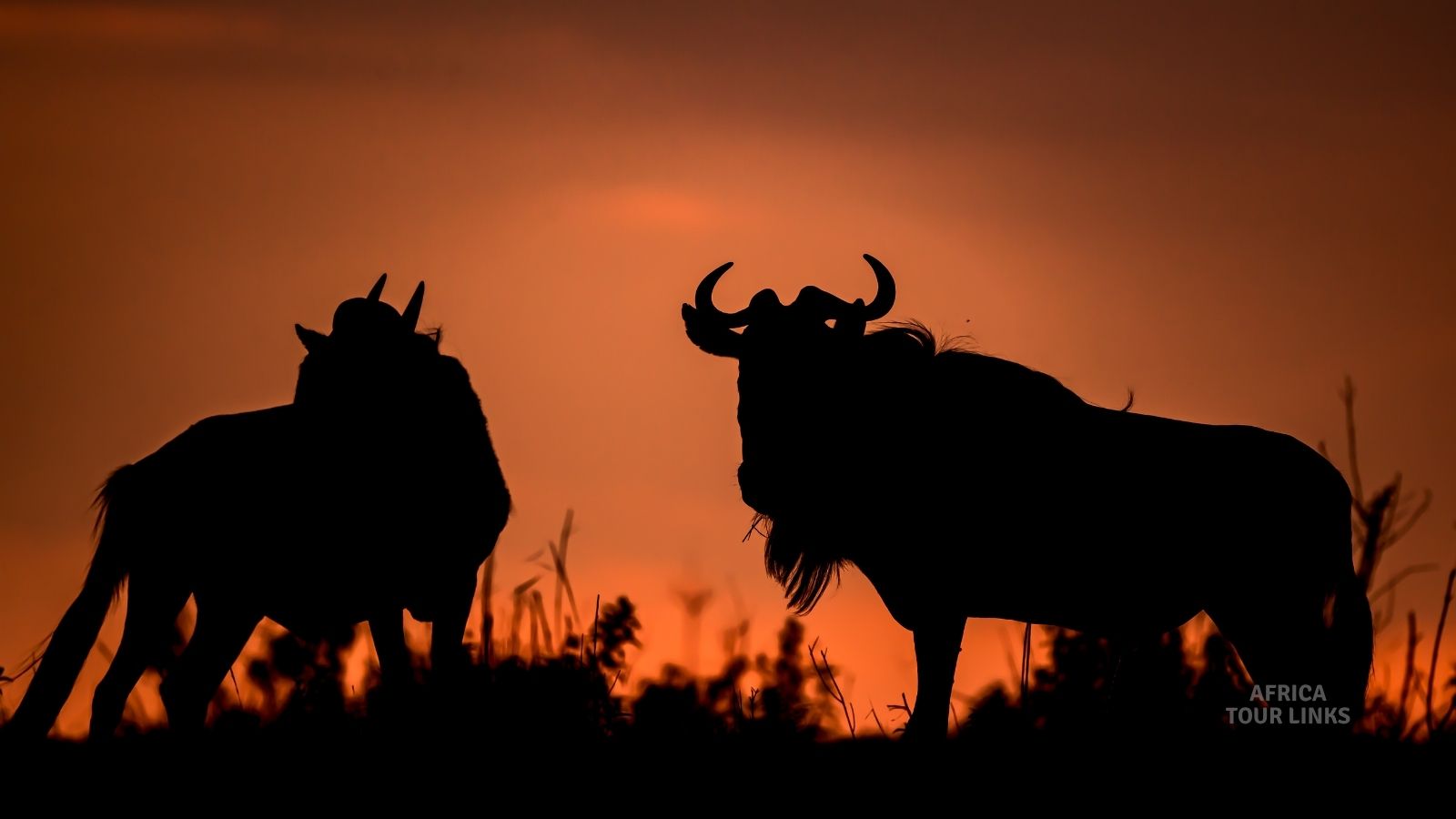
Serengeti is world famous for the annual migration, where up to two million wildebeest, zebras and gazelles move through the ecosystem in search of fresh grazing and rainfall. The movement follows the rhythm of nature and changes from year to year depending on rain patterns and food availability.
When herds cross crocodile-filled rivers or are pressured by lions, hyenas and leopards, dramatic scenes unfold that have made the region legendary through documentaries and wildlife photography.
Predators of the highest class
Serengeti supports one of Africa’s strongest populations of large predators. Lions are often seen resting in the shade or patrolling for prey, while cheetahs use the open plains for high-speed hunts. Leopards are more elusive and prefer trees and thicker vegetation.
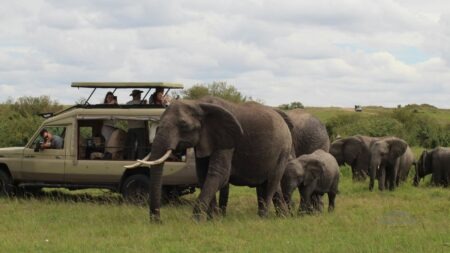
The park also holds major populations of elephants, buffalo, giraffes, hippos and numerous antelope species. Birdlife is equally impressive, with raptors, secretary birds, storks and colorful bee-eaters.
Many people wrongly believe Serengeti is only worth visiting during the migration season, but the park offers outstanding experiences throughout the year. The dry season often makes wildlife easier to spot around water sources, while the green season brings lush landscapes, newborn calves and fewer visitors.
The region offers lodges, tented camps and mobile camps, allowing guests to stay close to nature without giving up comfort. Many combine the trip with time in Arusha or a beach holiday on Zanzibar.
Conservation under pressure
Although Serengeti is an international icon, the area still faces ongoing challenges. Population growth, pressure on natural habitats, poaching and climate change require constant management and international attention.
At the same time, Serengeti demonstrates the immense value of protected nature for biodiversity, research and tourism.
Facts about Serengeti
Serengeti National Park was established in 1951 and is among Africa’s oldest national parks. The protected area covers approximately 14,700 square kilometers, while the wider ecosystem is far larger. The park is listed as a UNESCO World Heritage Site and is regarded as one of the world’s most important natural areas. The nearest major gateway city is Arusha, which serves as a starting point for many safari journeys.