


The Big Five have become the ultimate symbol of safari in Africa, but where can travelers find the most spectacular experiences today with giant lions, rare rhinos, and elephants carrying enormous tusks?
When the Big Five experience should be truly extraordinary
By AfricaTourLinks.com
When the dream of Africa begins, the same five animals often come to mind first. The lion on the savannah. The leopard in the tree. The elephant in the dust. The buffalo at the waterhole. The rhino in the morning haze.
These animals make up the legendary term The Big Five.
The expression originally came from the colonial era of big game hunting, when these species were considered among the most difficult and dangerous animals to track on foot. Today, tourism has taken over the phrase, and the Big Five have become a global symbol of safari, adventure, and classic African wildlife experiences.
For millions of travelers, seeing all five species on one journey is still a dream. But for many modern safari guests, it is no longer only about seeing the Big Five — it is about experiencing them at their most iconic, most powerful, and most unforgettable.
Which animals are the Big Five?
The Big Five are:
-
Lion
-
Leopard
-
African Elephant
-
African Buffalo
-
Rhinoceros
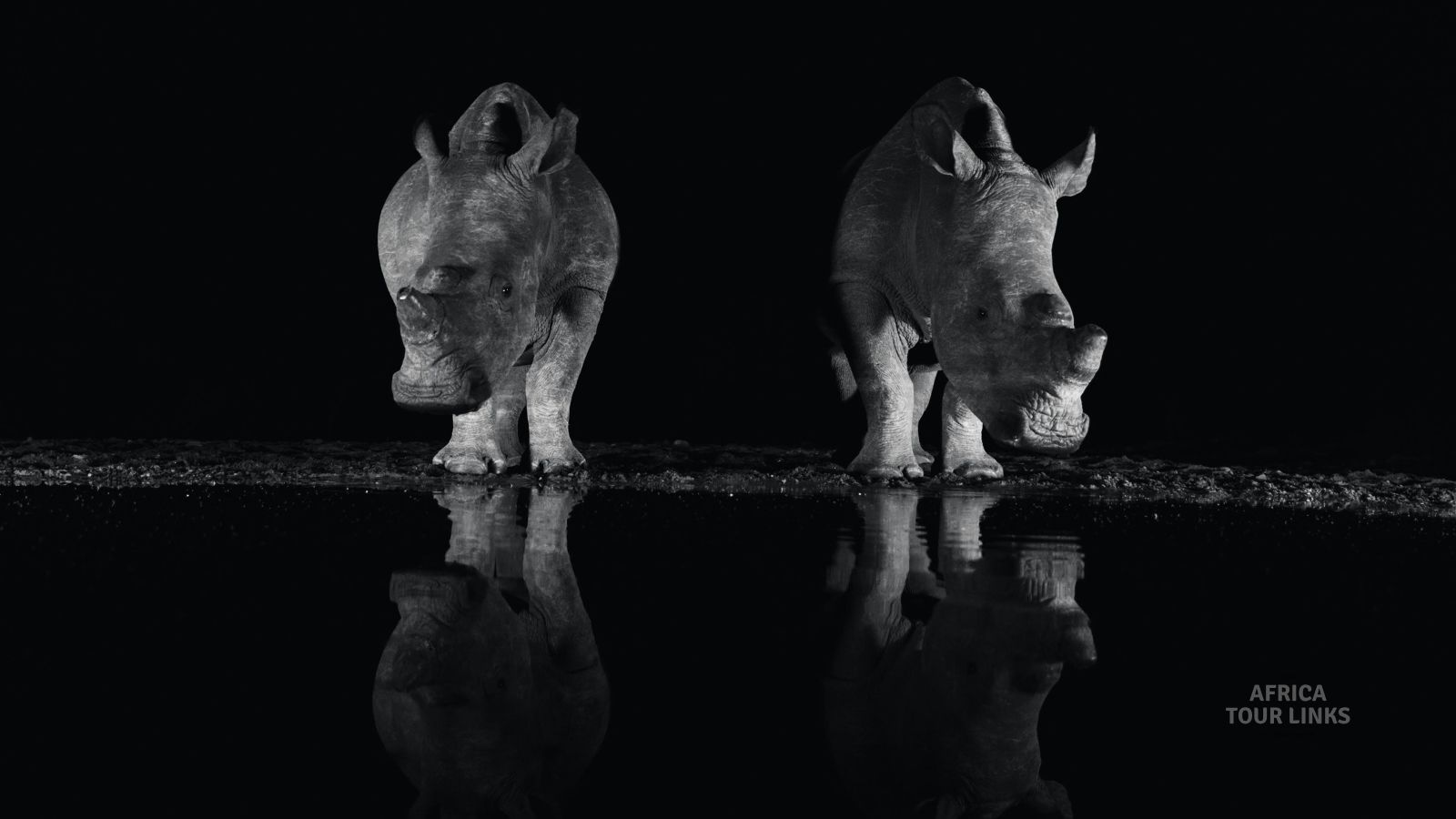
Today, rhinos are divided into White Rhino and Black Rhino. The Black Rhino is far rarer and one of the most sought-after sightings on safari.
Where can you best see Black Rhino?
Black Rhino are more elusive, more unpredictable, and far rarer than White Rhino. For that reason, seeing one in the wild is considered something special.
Ngorongoro Conservation Area is one of Africa’s strongest destinations for Black Rhino. The open crater floor offers excellent viewing opportunities.
Etosha National Park is another top choice, especially during the dry season when animals gather near water.
Lewa Wildlife Conservancy is famous for premium safari experiences with both Black and White Rhino.
Where can you experience the great maned lions?
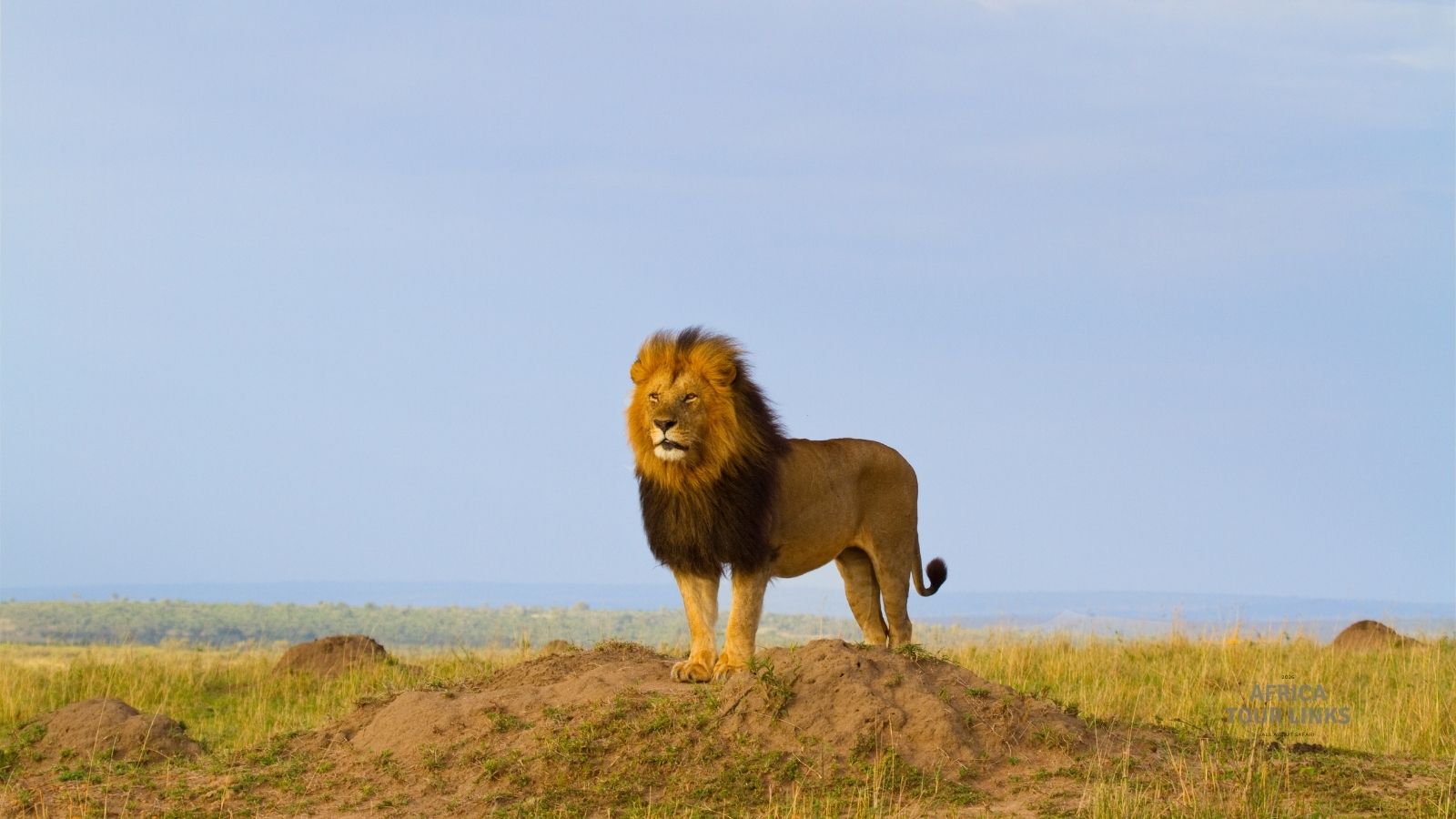
The classic safari lion is the mature male with a heavy dark mane and impressive build.
Kgalagadi Transfrontier Park is world famous for its great black-maned lions.
Serengeti National Park and Maasai Mara National Reserve offer some of the world’s best chances for powerful lion encounters with many prides and mature males.
Ruaha National Park is well known among experienced safari travelers for large and rugged lions in more remote wilderness.
Where can you see elephants with enormous tusks?
The biggest bull elephants with exceptional tusks are becoming increasingly rare. That makes the sight of a true “big tusker” one of Africa’s greatest wildlife moments.
Amboseli National Park is perhaps the most famous place in Africa for giant tuskers — often with Mount Kilimanjaro rising in the background.
Tsavo East National Park and Tsavo West National Park remain among Africa’s most important areas for old bulls carrying heavy ivory.
Tarangire National Park is famous for large elephant herds and outstanding sightings, especially during the dry season.
What about leopard and buffalo?
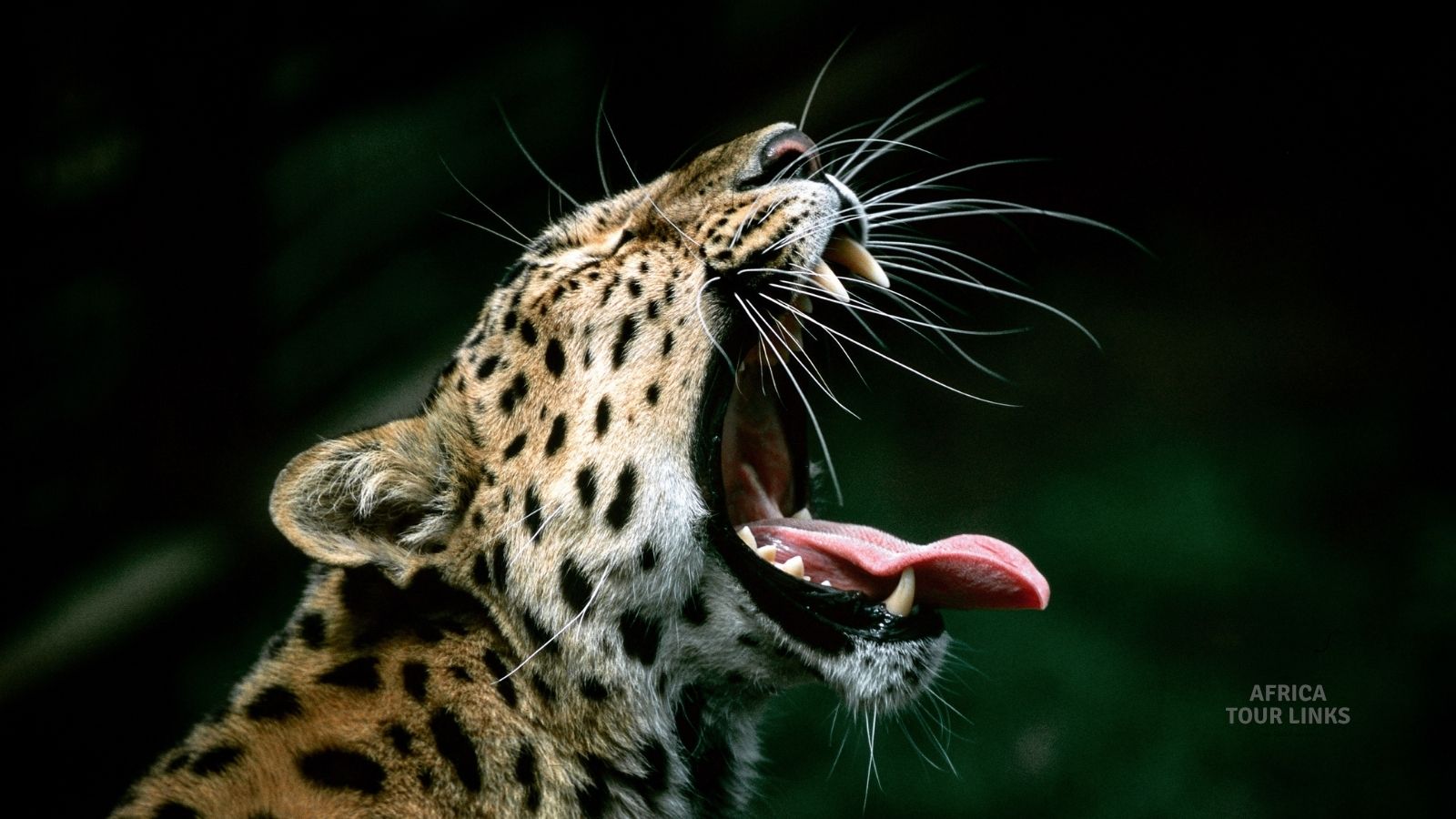
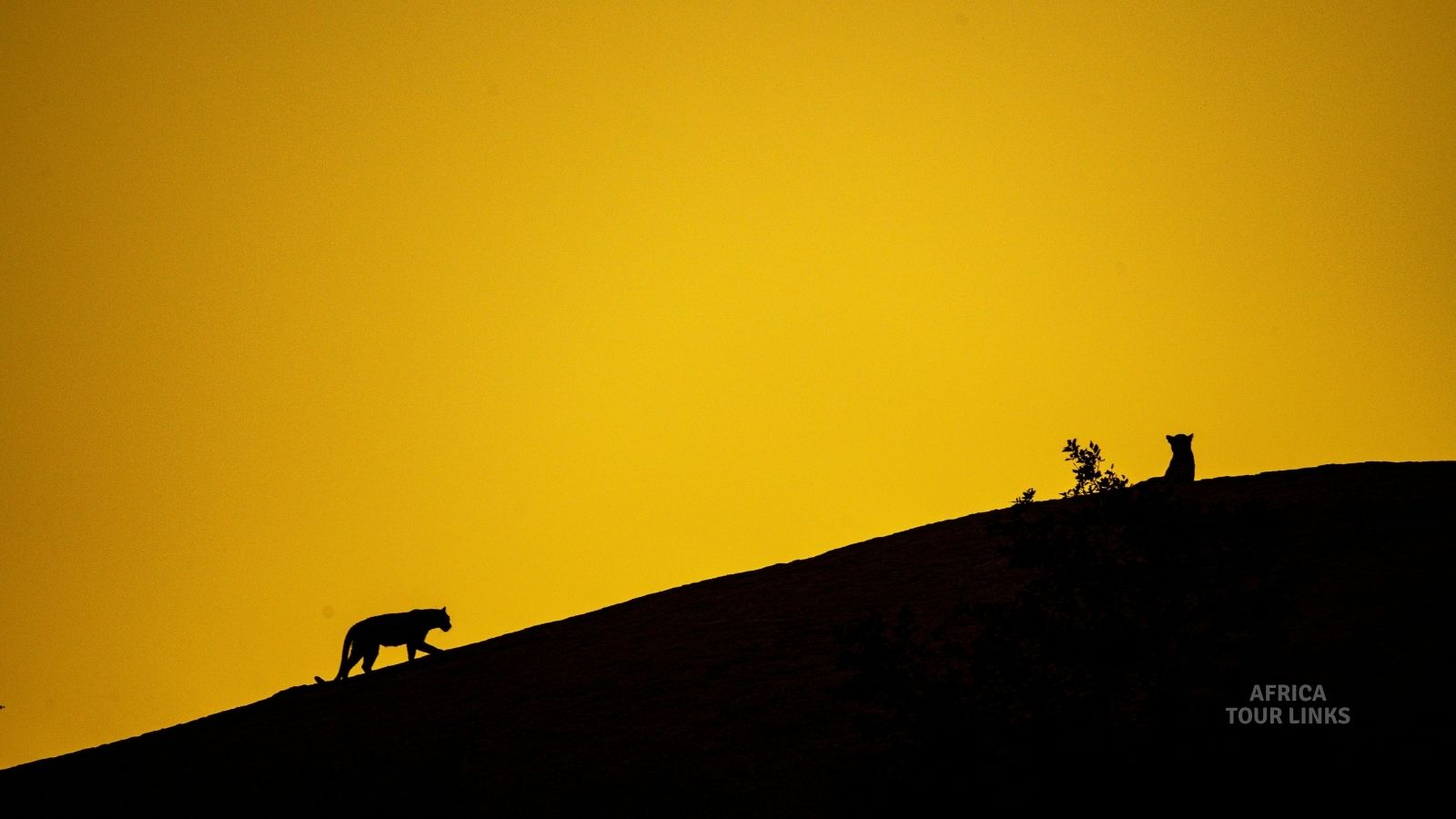
Leopard are often the most difficult of the Big Five to find. They live secretly and are usually best seen early morning or late afternoon.
Buffalo, on the other hand, are common in many safari regions and are often encountered in large herds, especially in Okavango Delta, Katavi National Park, and classic East African parks.
Why does the Big Five concept still work?
Africa is home to thousands of fascinating species, yet the Big Five remain iconic because they are instantly recognizable and symbolize wild nature, power, and adventure.
That is why the term still sells safaris around the world.
The greatest safari moment is not always seeing all five
Many guests travel to Africa to see the Big Five. But often, what they remember most is something else.
The old lion in the morning sun.
The Black Rhino in the dust.
The huge elephant walking silently past the vehicle.
That is when safari becomes unforgettable.
The Big five history
The term Big Five originally came from the hunting era and described the five animals considered most dangerous to track on foot. Today, the phrase is used almost entirely in tourism.
Many safari travelers still aim to see all five species on one journey, but modern safaris increasingly focus on photography, conservation, and authentic wildlife experiences in spectacular landscapes.