

Many travellers use Dar es Salaam as a transit stop on the way to Zanzibar, safari or a domestic flight. But Tanzania’s largest city also offers beaches, fish markets, island trips and a rare glimpse of modern urban life on the East African coast
Dar es Salaam: Why Tanzania’s largest city deserves more than just one overnight stay
By AfricaTourLinks
“For many travellers, Dar es Salaam is simply the city where the journey through Tanzania begins. You land, spend a night near the airport or ferry terminal, and continue on to Zanzibar, the northern safari circuit or another destination further inland. But that approach risks missing a city that can add something very different to a Tanzania itinerary”.
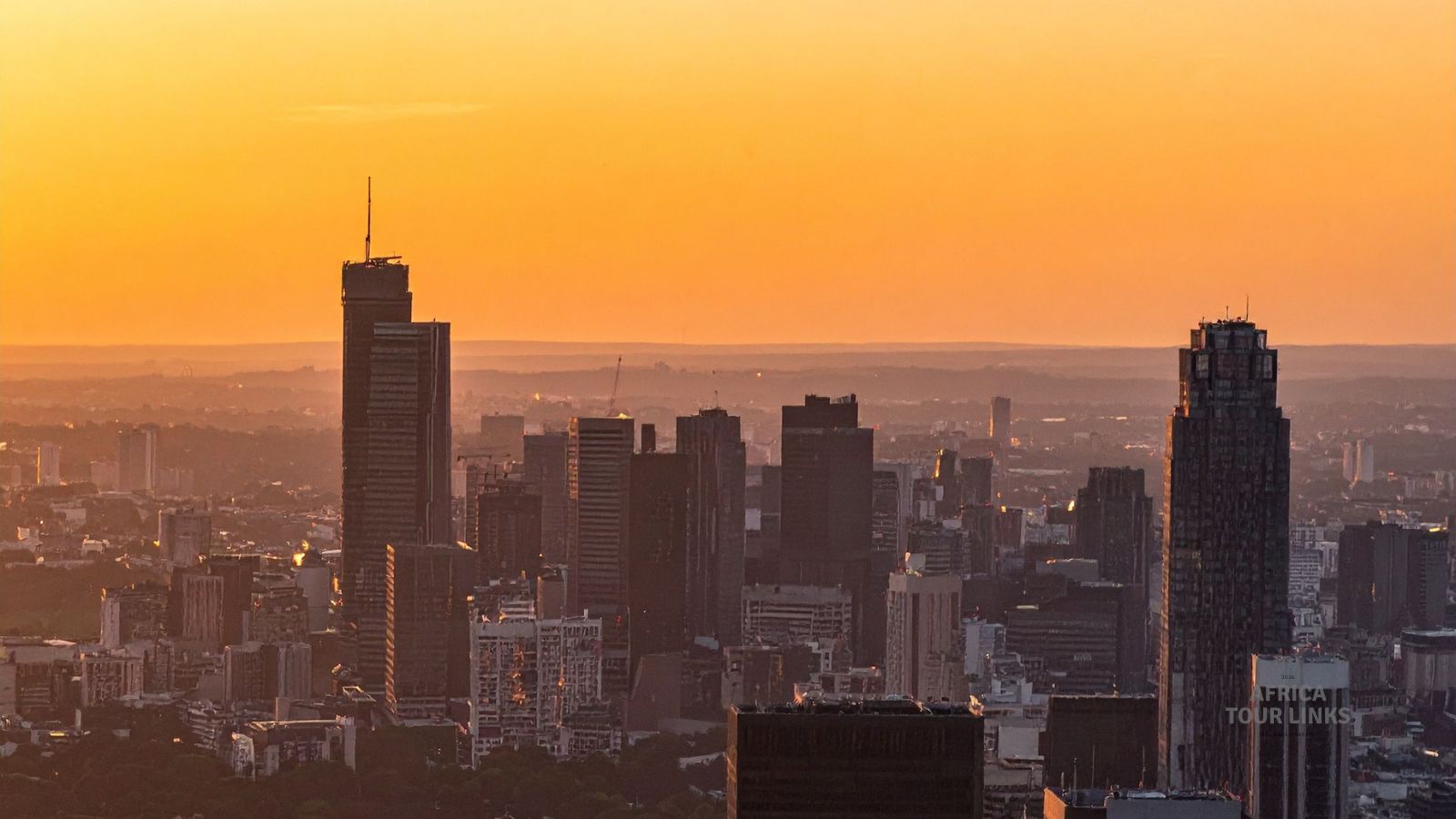
Dar es Salaam is Tanzania’s largest city and the country’s commercial heart. Set on the shores of the Indian Ocean, it is a place where port life, trade, fishing, hotels, beaches and fast-moving urban life meet in a way that feels very different from the country’s national parks and classic beach resorts. It is not a polished holiday town, and that is exactly why it can be so rewarding. Dar es Salaam offers a more direct encounter with modern Tanzania and works surprisingly well as a two- or three-night stop before or after safari, Zanzibar or a longer journey through the country.
More than a transit city
Dar es Salaam is easy to underestimate if all you see is the road between the airport and your hotel. Give it a little time, however, and the city begins to reveal another side. This is not a destination built around one iconic monument or a checklist of famous attractions. It is a city best understood through atmosphere, movement and contrast.
In the morning, fishing boats return with the night’s catch. Later in the day, the markets and trading districts are packed with people, colour and noise. By evening, the city changes again as restaurants, beach bars and hotels along the coast take over and the pace softens with the ocean as a backdrop. For travellers who want to understand more of Tanzania than safari lodges and resort beaches, Dar es Salaam offers a valuable change of perspective.
Fish markets, trading districts and city life
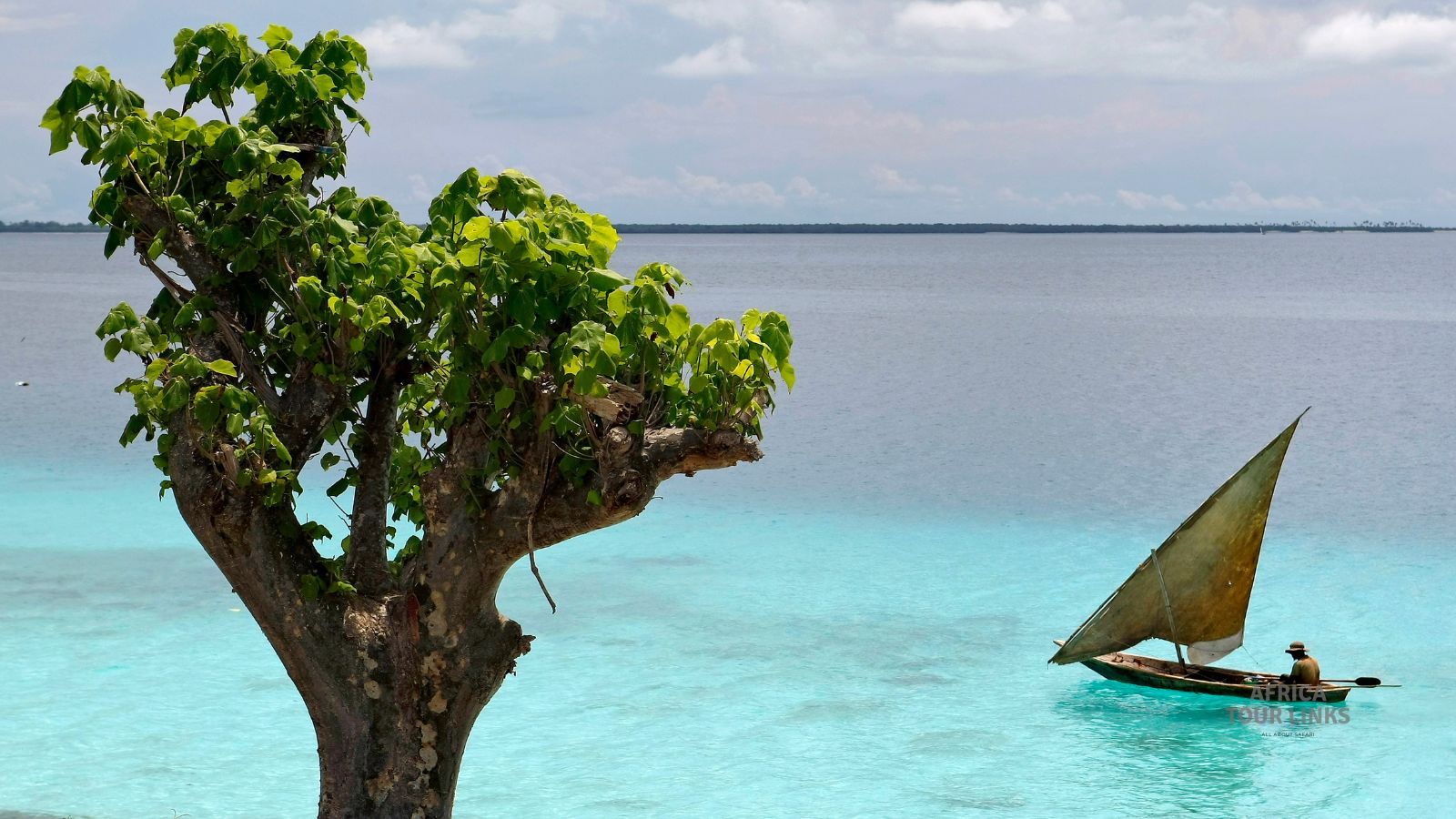
One of the best places to feel the city up close is Kivukoni Fish Market. Early in the day, the market fills with fishermen, traders and buyers as fresh catches are unloaded and sold. It is noisy, busy and unmistakably local, and it says a great deal about Dar es Salaam’s close relationship with the sea.
Another key part of the city experience is Kariakoo, one of Dar’s busiest commercial districts. This is where you feel the scale of the city’s trading life. Fruit, spices, clothing, household goods and electronics all move through the area in a constant flow, and for many visitors Kariakoo offers a more revealing impression of the city than any formal sightseeing stop.
Travellers interested in history and culture can also spend time at the National Museum or the Village Museum, both of which help place Dar es Salaam and Tanzania in a wider historical and cultural context. They are not the main reason to visit the city, but they add depth to a stay and work well alongside the more immediate street-level experiences.
Beach life and coastal hotels
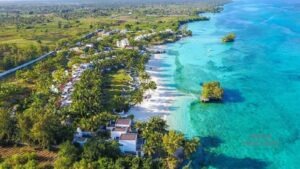
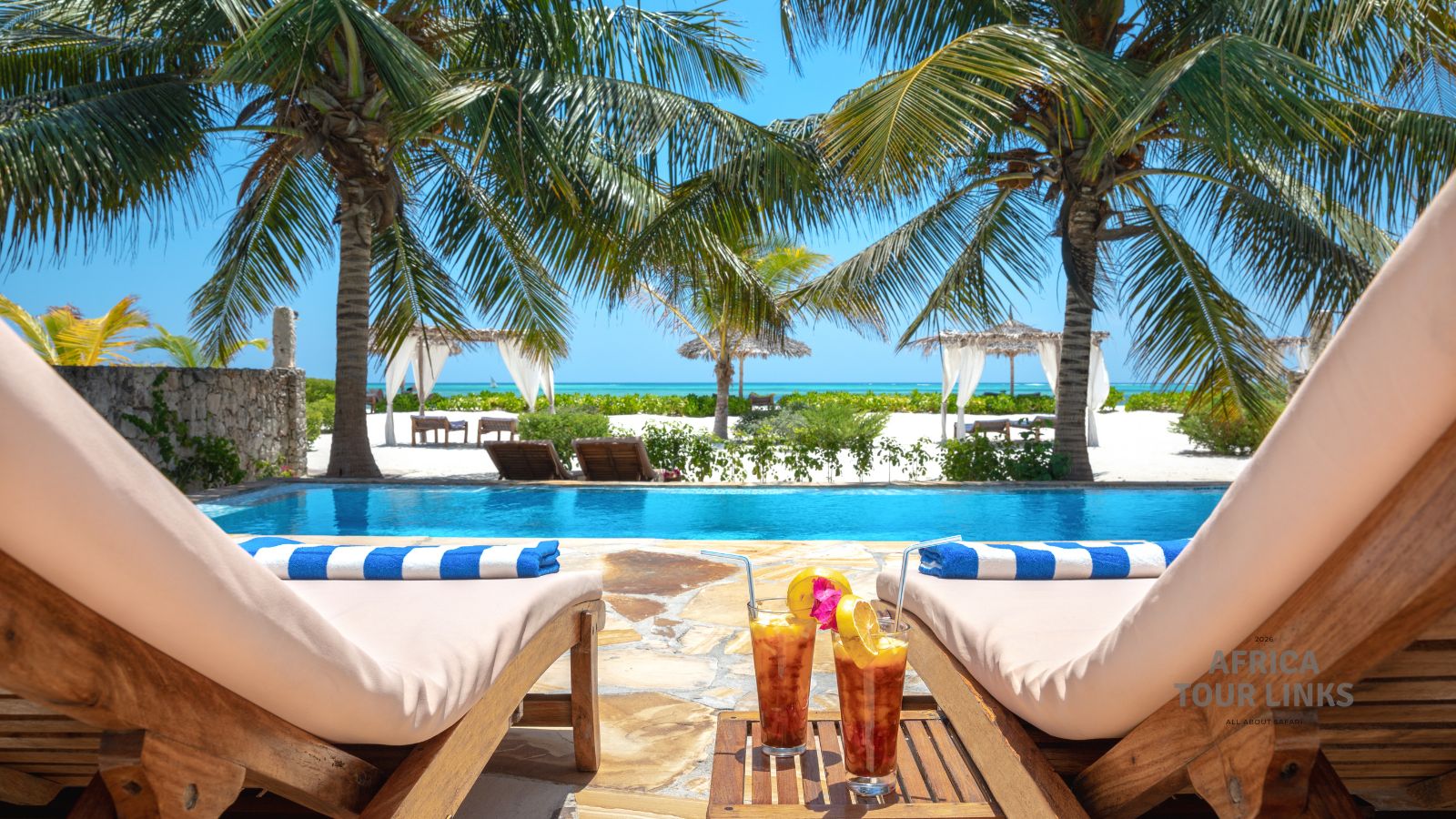
Dar es Salaam is, above all, a coastal city, and the sea plays an important role in how the city feels. Some travellers choose to stay in the centre and use the coastline as an occasional escape, while others prefer to book hotels closer to the water, where ocean views and a more relaxed atmosphere shape the stay from the beginning.
Coco Beach is one of the city’s best-known public beaches, but many visitors find that the real appeal lies in the wider coastal stretch north of the centre, where hotels, beach resorts and restaurants make it easier to combine city life with time by the water. That combination is one of Dar es Salaam’s biggest strengths. Few places in Tanzania allow you to move so easily between urban energy and a slower Indian Ocean rhythm.
Island trips from Dar es Salaam
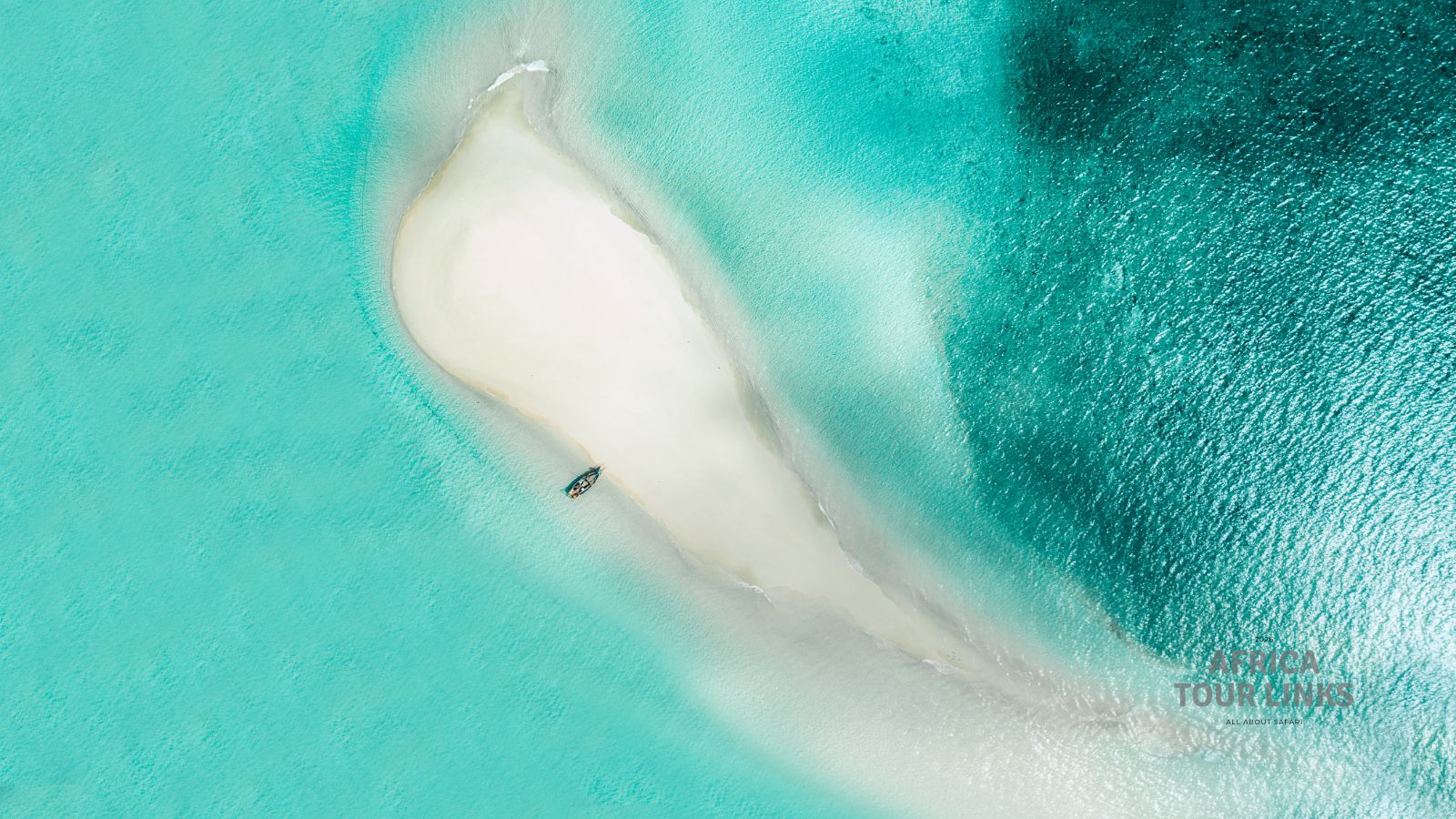
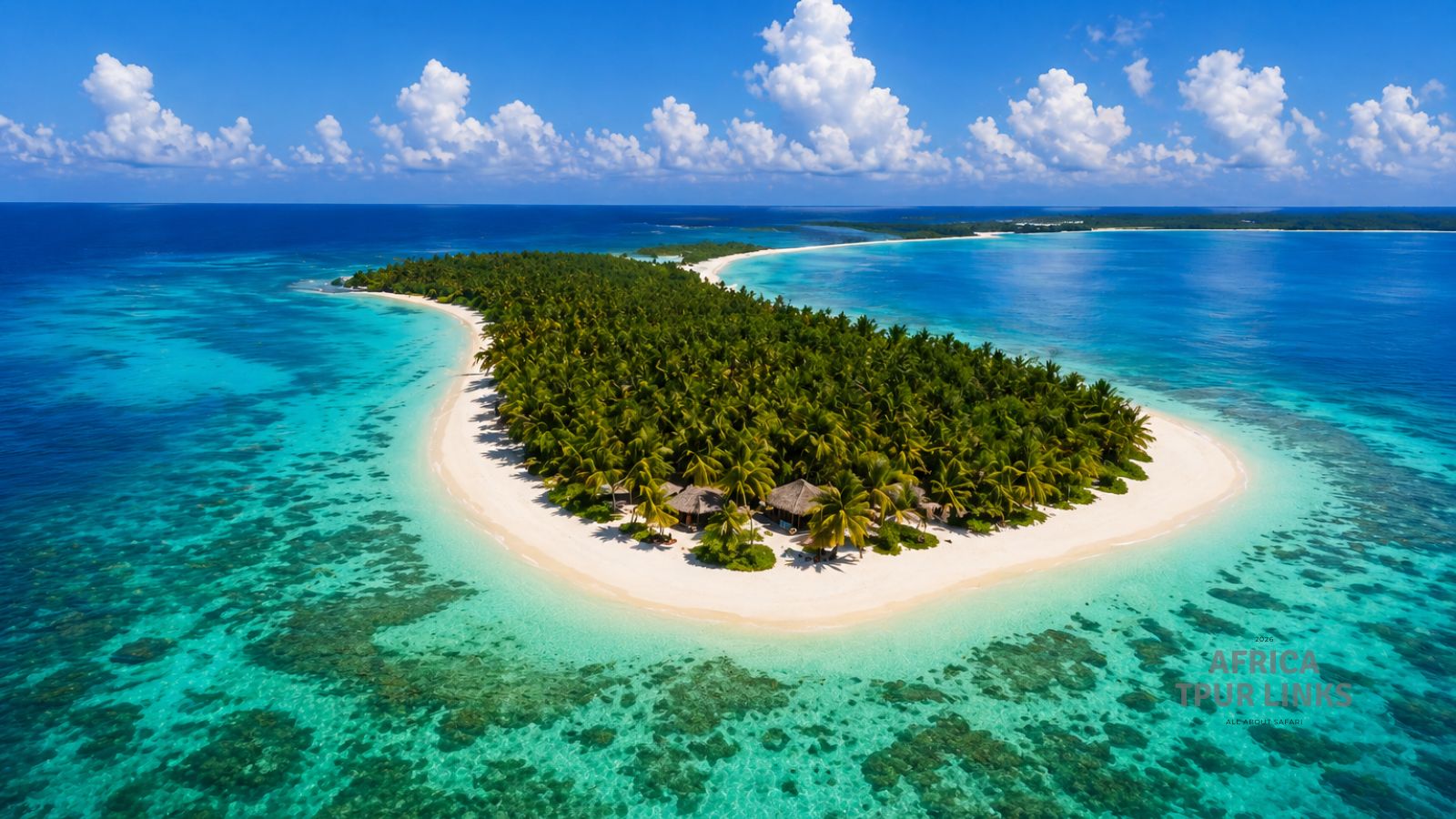
One of the strongest reasons to give Dar es Salaam more than one night is its access to nearby islands and marine areas. Within a short boat ride, the city can be exchanged for white sand, snorkelling, grilled fish and a much quieter pace.
Bongoyo Island is one of the most popular day trips from Dar es Salaam. It is close enough to the city to be easy, but far enough away to feel like a real break from traffic and noise. Visitors come here for swimming, snorkelling, seafood and a relaxed day by the water.
Mbudya Island offers a similar experience and is another good option for travellers who want to mix city time with a day at the beach. These islands are not a replacement for Zanzibar, but they are an excellent way to add a lighter coastal element to a Dar es Salaam stay without extra flights or complicated logistics.
 |
 |
Excursions and safari options from Dar
Dar es Salaam can also work as a base for short trips beyond the city itself. One of the easiest is Bagamoyo, north of Dar es Salaam, a historic coastal town with a slower atmosphere and a strong connection to East Africa’s trading past.
For travellers with more time, Dar can also be combined with safari in southern Tanzania. Mikumi National Park and Nyerere National Park are both realistic onward options, making it possible to build an itinerary that combines city life, coast and wildlife in one journey. That flexibility is part of what makes Dar es Salaam worth considering as more than just a place to pass through.
Why Dar es Salaam deserves a place in your itinerary
Dar es Salaam is unlikely to be Tanzania’s most obvious holiday destination, but that is not really the point. Its value lies in the mix of city life, sea, markets, hotels, food and island escapes — and in the chance to experience a more everyday, contemporary side of Tanzania.
For some travellers, Dar es Salaam will still be little more than a practical stop before the next leg of the trip. For others, it can become one of the most revealing parts of the journey: a city that connects Tanzania’s coastline, commerce and culture, while also offering easy access to beaches, islands and new experiences just beyond the city limits.
Facts about Dar es Salaam
Dar es Salaam is by far the largest city in Tanzania, with an estimated population of between six and eight million people depending on whether the wider metropolitan area is included. The city’s name roughly translates as “House of Peace” in Arabic, and it developed into a major port in the late 19th century under the Sultan of Zanzibar before later becoming an important centre during German colonial rule. Although Dodoma is Tanzania’s official capital, Dar es Salaam remains the country’s main commercial and maritime hub.
The city is also an important transport gateway. It is roughly 75 kilometres south of Bagamoyo, around 280 kilometres from Morogoro and about 300 kilometres by road to Mikumi National Park. Ferries to Zanzibar depart from Dar es Salaam and usually take around two hours, depending on the vessel and sea conditions.
For visitors, some of the most popular places to see in and around Dar es Salaam include Kivukoni Fish Market, Kariakoo, the National Museum, the Village Museum, Coco Beach, the Slipway area, Bongoyo Island, Mbudya Island, Oyster Bay and Bagamoyo as a day trip. The climate is tropical and warm throughout the year, but the driest and often most comfortable months for exploring the city are usually from June to October and again in January and February.
Dar es Salaam
Dar es Salaam is Tanzania’s largest city and commercial capital, located on the Indian Ocean coastline. Although Dodoma is the official capital, Dar es Salaam remains the country’s main business, transport and cultural hub. The city has a population of more than six million people and serves as the gateway to Zanzibar, southern Tanzania and many safari destinations. Visitors can explore lively markets, fresh seafood restaurants, beautiful beaches, museums and nearby islands such as Bongoyo and Mbudya, all within a short distance of the city centre. Julius Nyerere International Airport connects Dar es Salaam with destinations across Africa, Europe and the Middle East, while the harbour is one of East Africa’s busiest ports. The best time to visit is during the dry seasons from June to October and from December to February, when temperatures are warm and ideal for sightseeing, beach excursions and island trips.