

Explore the beauty of Lake Manyara National Park, one of Tanzania’s most scenic safari destinations famous for tree-climbing lions, elephants, birdlife, breathtaking landscapes, and unforgettable wildlife adventures.
A Paradise for Flamingos and Birdlife
By Africa Tour Links
“Located beneath the dramatic cliffs of the Great Rift Valley escarpment, Lake Manyara National Park is one of Tanzania’s most beautiful and diverse safari destinations.
Despite being smaller than many other national parks in Tanzania, Lake Manyara offers an unforgettable safari experience filled with stunning scenery, rich wildlife, lush forests, and incredible birdlife”.
The park is positioned along Tanzania’s famous northern safari circuit, making it a perfect stop for travelers heading to the Ngorongoro Crater or the endless plains of the Serengeti National Park.
What makes Lake Manyara special is its remarkable ecological diversity. Within a relatively small area, visitors can explore dense groundwater forests, open savannah, acacia woodland, hot springs, wetlands, and the vast alkaline lake that gives the park its name.
The peaceful atmosphere, combined with exciting wildlife encounters, makes Lake Manyara National Park one of the most rewarding destinations for travelers seeking both relaxation and adventure in Tanzania.
History of Lake Manyara National Park
Lake Manyara National Park was officially established in 1960 and has since become one of Tanzania’s most visited wildlife conservation areas. T
he park was created to protect the rich ecosystems surrounding Lake Manyara and the wildlife that depends on its forests, wetlands, and open plains.
Over the years, the park has gained international recognition for its unique tree-climbing lions and exceptional birdwatching opportunities.
Conservation efforts have helped preserve its natural beauty and wildlife populations, allowing future generations to continue enjoying this remarkable destination.
The name “Manyara” is believed to originate from the Maasai word “emanyara,” referring to the protective enclosure surrounding a family homestead.
The Maasai people have long lived in the surrounding areas and continue to play an important role in the cultural heritage of the region.
Location and Landscape
Lake Manyara National Park is located in northern Tanzania between Arusha and Karatu town, approximately 126 kilometers southwest of Arusha.
The park covers about 330 square kilometers, with nearly two-thirds of the area occupied by Lake Manyara itself.
One of the most impressive features of the park is the Great Rift Valley escarpment, which rises dramatically along the western boundary of the park.
The escarpment creates a breathtaking backdrop and adds to the park’s spectacular scenery.
The park’s landscape changes dramatically from one area to another. Visitors entering the park are welcomed by a dense groundwater forest filled with towering mahogany and fig trees.
Further inside, the environment opens into grassy floodplains, acacia woodland, and the shores of the lake.
This incredible diversity of habitats allows the park to support a wide range of animals and bird species within a compact area.
Wildlife in Lake Manyara National Park
Lake Manyara National Park is home to an impressive variety of wildlife, making every safari drive exciting and unpredictable.
Although the park is smaller than Serengeti or Tarangire, it still offers excellent opportunities to see many of Africa’s iconic animals.
The park is particularly famous for its tree-climbing lions. Unlike lions in most other parts of Africa, Manyara’s lions are often seen resting high in acacia trees during the hottest hours of the day.
Scientists believe this behavior may help them avoid insects or escape the heat on the ground. Spotting one of these lions relaxing on a tree branch is one of the highlights of visiting the park.
Elephants are another major attraction in Lake Manyara National Park. The park is known for its large elephant herds that move quietly through the forests and grasslands.
Visitors often encounter elephants at close range, creating unforgettable safari moments.
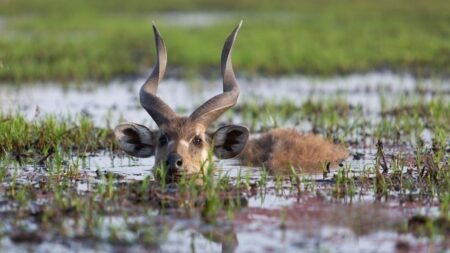
Other wildlife commonly found in the park includes buffaloes, giraffes, zebras, wildebeests, hippos, warthogs, impalas, and blue monkeys.
Leopards are occasionally seen resting in trees or moving silently through the forest, while cheetahs may sometimes appear in the open plains.
Large troops of baboons are commonly spotted near the forest entrance and are among the most entertaining animals to watch during a safari.
Birdlife in Lake Manyara National Park
Lake Manyara National Park is considered one of Tanzania’s finest birdwatching destinations. More than 400 bird species have been recorded within the park, attracting bird enthusiasts from around the world.
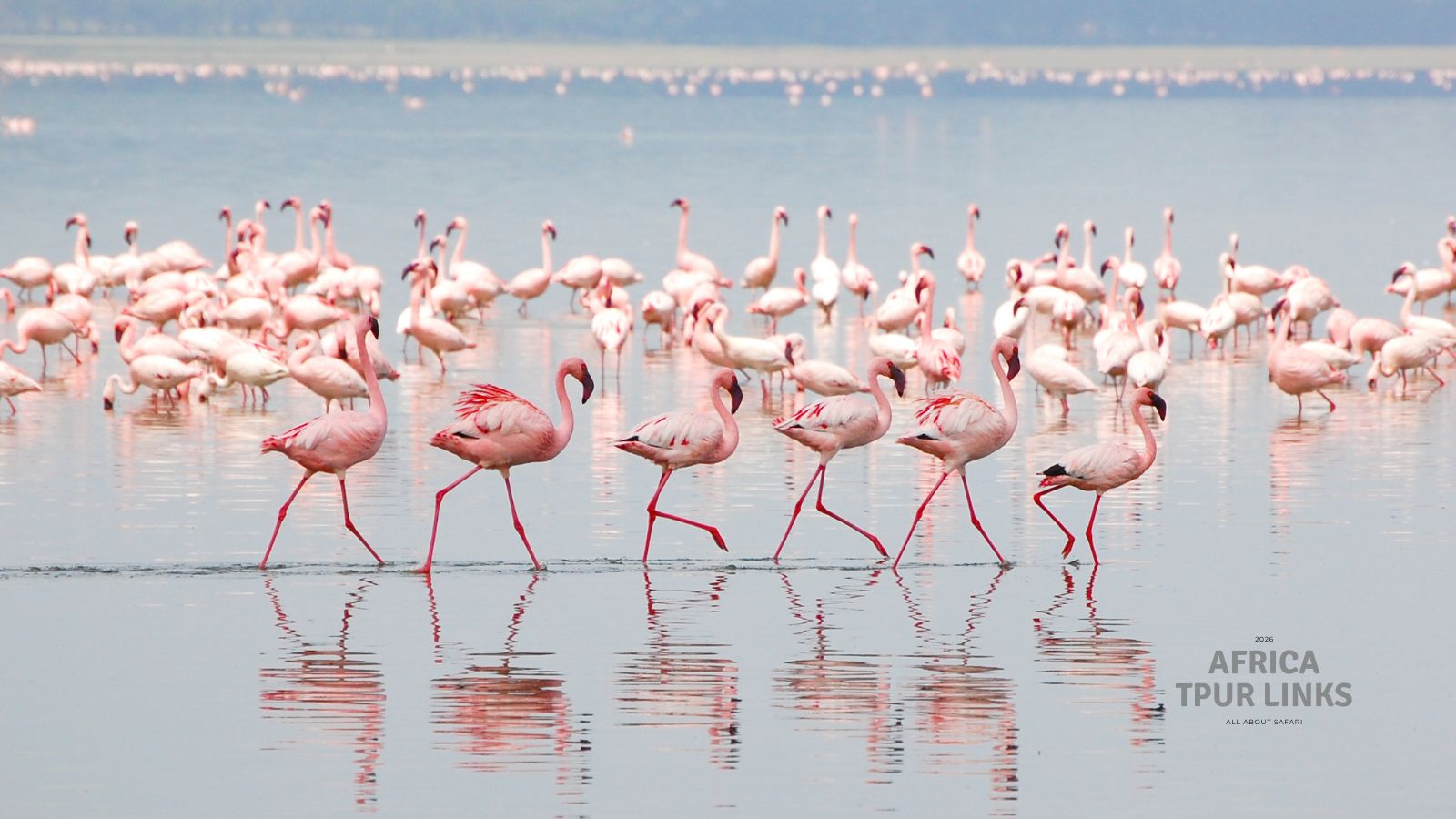
The alkaline waters of Lake Manyara attract thousands of flamingos that often create a pink spectacle along the shoreline.
Depending on water levels and seasonal conditions, visitors may witness enormous flocks covering parts of the lake.
In addition to flamingos, the park is home to pelicans, storks, herons, hornbills, kingfishers, cormorants, African fish eagles, and many other bird species.
The combination of wetlands, forests, and open grasslands creates ideal habitats for both migratory and resident birds.
Birdwatching is especially rewarding during the wet season when migratory birds arrive and the park becomes lush and green.
Attractions in Lake Manyara National Park
One of the most remarkable attractions in the park is the groundwater forest, which creates a cool and refreshing environment filled with giant trees and thick vegetation.
This forest is home to monkeys, elephants, and numerous bird species.
Another fascinating attraction is the hot springs located in the southern section of the park. Known locally as “Maji Moto,” these geothermal springs bubble with hot water and provide visitors with a glimpse into the volcanic activity beneath the Great Rift Valley.
The lake itself is the centerpiece of the park and provides stunning views throughout the day. During sunrise and sunset, the reflections across the water create incredible photographic opportunities.
The Great Rift Valley escarpment also offers dramatic scenery and panoramic views over the park, making Lake Manyara one of the most picturesque safari destinations in Tanzania.
Safari Activities in Lake Manyara National Park
Game drives are the most popular activity in Lake Manyara National Park. The park’s compact size allows visitors to explore a variety of habitats within a short period while maximizing wildlife viewing opportunities.
Birdwatching safaris are especially popular due to the park’s incredible bird diversity. Both experienced birders and casual visitors can enjoy spotting colorful species throughout the park.
Canoeing activities are sometimes available depending on water levels in the lake. Canoe safaris offer a unique perspective of wildlife and birds along the shoreline.
Cultural tours to nearby villages also provide visitors with opportunities to learn about local communities, Maasai traditions, and Tanzanian culture.
Photography safaris are highly rewarding in Lake Manyara because of the park’s dramatic landscapes, rich wildlife, and beautiful lighting conditions.
Climate and Best Time to Visit
Lake Manyara National Park enjoys a relatively mild climate throughout the year due to its elevation, which ranges between 850 and 2,000 meters above sea level.
The park experiences two rainy seasons. The short rains usually occur from November to December, while the long rains begin around February and continue until May.
The dry season from June to October is generally considered the best time for wildlife viewing because animals gather around water sources and vegetation becomes less dense.
The wet season, however, transforms the park into a lush green paradise and is the best period for birdwatching and scenic photography.
Thanks to its pleasant climate and year-round accessibility, Lake Manyara National Park can be visited at almost any time of the year.
Why Visit Lake Manyara National Park
Lake Manyara National Park offers visitors a unique combination of scenic beauty, wildlife diversity, and peaceful safari experiences.
Its famous tree-climbing lions, large elephant herds, and spectacular birdlife make it one of Tanzania’s most distinctive national parks.
The park is ideal for travelers seeking a shorter safari experience without sacrificing wildlife encounters and natural beauty.
Its location along Tanzania’s northern safari circuit also makes it a convenient addition to longer safari itineraries.
Whether you are a first-time safari traveler, a wildlife photographer, or a birdwatching enthusiast, Lake Manyara National Park offers unforgettable moments surrounded by nature.
Lake Manyara National Park remains one of Tanzania’s hidden gems, offering an extraordinary safari experience in a compact yet diverse landscape.
A visit to Lake Manyara National Park is more than just a safari. It is an opportunity to experience the peaceful charm of African wilderness while discovering one of the most scenic wildlife destinations in East Africa.