





Food in Africa – a continent full of flavor, culture, and surprises
Food in Africa
By Africa Tour Links
For many travelers, Africa begins with wildlife, beaches, and landscapes. Yet one of the most memorable parts of any journey is often found at the table. African food is rich, diverse, deeply connected to local traditions, and far more varied than many first-time visitors expect.
Africa is a vast continent with more than fifty countries, hundreds of cultures, and countless local food traditions. That means food in Morocco is very different from food in Tanzania, while meals in South Africa may have little in common with dishes from Ethiopia.
Travelers who expect one common African kitchen quickly discover a continent of contrasts. Arabic influences shape parts of North Africa, Indian flavors are found along the East African coast, European traditions appear in the south, and ancient local ingredients remain central almost everywhere.
Fresh ingredients are still at the heart of daily life
In many African countries, food is still closely linked to local markets, farming, fishing, and seasonal harvests. Fresh fruit, vegetables, grains, beans, fish, and meat often move quickly from producer to plate.
Markets are among the best places to understand daily food culture. Here you may find mangoes, pineapples, cassava, maize flour, spices, fresh fish, chilies, bananas, tomatoes, and ingredients unfamiliar to many foreign visitors.
For travelers, local markets are often as interesting as museums.
East Africa offers comfort food with strong identity
In countries such as Kenya, Tanzania and Uganda, staple foods often include maize meal, rice, beans, grilled meat, vegetables, and chapati.
Ugali, a firm maize dish, is widely eaten and served with meat, stew, fish, or greens. Rice dishes are common along the coast, where coconut and spices play a stronger role. Street food may include roasted maize, samosas, grilled skewers, cassava, and fried snacks.


Along the coast of Zanzibar, food often reflects centuries of trade, mixing African, Arab, and Indian influences into fragrant dishes rich in cinnamon, cardamom, coconut, and seafood.
North Africa is famous for spice and slow cooking
In Morocco, Tunisia and Egypt, travelers often meet dishes built on grains, olive oil, vegetables, lamb, chickpeas, herbs, and aromatic spice blends.
Tagines, couscous, grilled meats, breads, lentil dishes, and sweet pastries are common highlights. Meals are often social occasions where hospitality matters as much as flavor.
Southern Africa blends many traditions
South Africa is known for one of the continent’s most varied food scenes. Indigenous traditions meet Dutch, British, Indian, and Malay influences. Travelers can experience world-class restaurants, wine estates, barbecue culture, and local classics on the same trip.
Game meat, seafood, braai culture, fresh produce, and modern fusion cuisine all play a role. In neighboring countries, maize-based meals and hearty stews remain important everyday food.
Ethiopia has one of Africa’s most distinctive food cultures. Injera, a sour flatbread made from teff, is used as both plate and utensil. It is served with richly seasoned lentils, vegetables, meats, and sauces.
Meals are often shared from one large platter, creating a social and memorable dining experience.
Street food can be excellent
Some of the most authentic meals in Africa are found not in hotels but on streets, beaches, and markets. Grilled fish, meat skewers, chapati, fried dough, spicy sauces, roasted corn, fresh fruit, and sugar cane juice are common examples.
Travelers should use normal caution by choosing busy places with fresh turnover and clean preparation.
That depends entirely on where you go. Some regions use very mild flavors, while others enjoy strong chili heat. Spice is often served separately, allowing guests to choose.
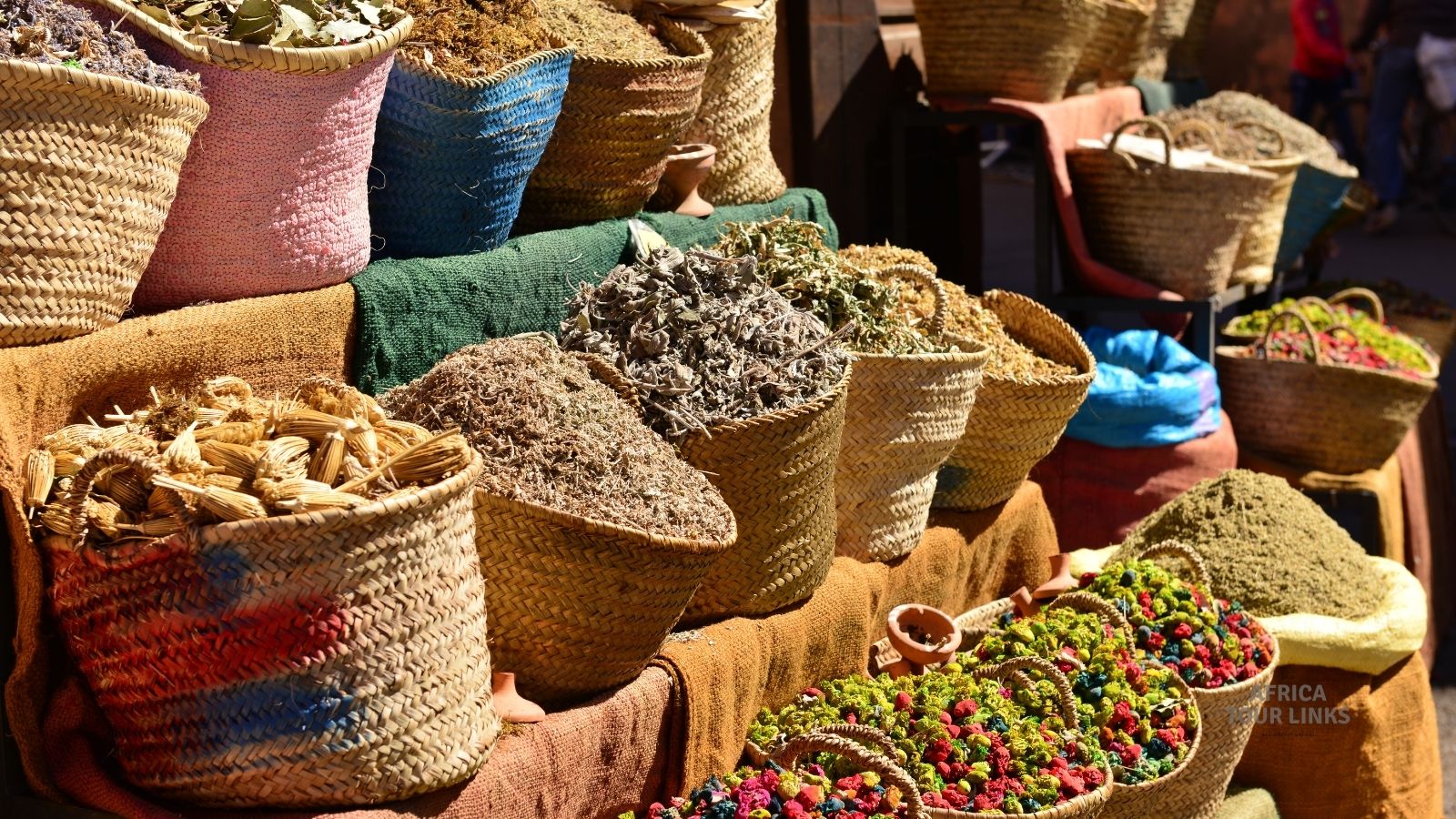
Food: A great way to understand Africa
Food tells stories about climate, migration, trade, religion, and family life. To eat in Africa is often to learn how communities have adapted, shared, and celebrated for generations.
Many travelers remember the lion they saw on safari. Just as many remember the grilled fish by the Indian Ocean, the market fruit in the morning sun, or the meal shared with local people long after the journey ended.
Tags: Africa food, African cuisine, Tanzania food, safari travel, Zanzibar food, Morocco cuisine, South Africa restaurants, travel Africa, local food Africa