




Hippo in Africa – where to see hippos, how they live and why they matter
Hippo
By Africa Tour Links
Few wild animals in Africa create the same feeling of raw power as the Hippo, better known internationally as the hippopotamus. Massive, unpredictable and deeply connected to Africa’s rivers and lakes, hippos are among the continent’s most iconic safari animals. Many travelers arrive dreaming of lions, elephants and giraffes, then leave talking about the moment a hippo surfaced beside the boat or thundered back into the water at sunset.
Despite their heavy appearance, hippos are not lazy river ornaments. They are powerful mammals that shape ecosystems, defend territories fiercely and play an important role in freshwater landscapes. Seeing them in the wild is one of the most memorable wildlife experiences Africa can offer.
For visitors planning safari holidays, river cruises or nature travel, understanding the flodhest adds a richer layer to any journey.
Why the Hippo matters in Africa
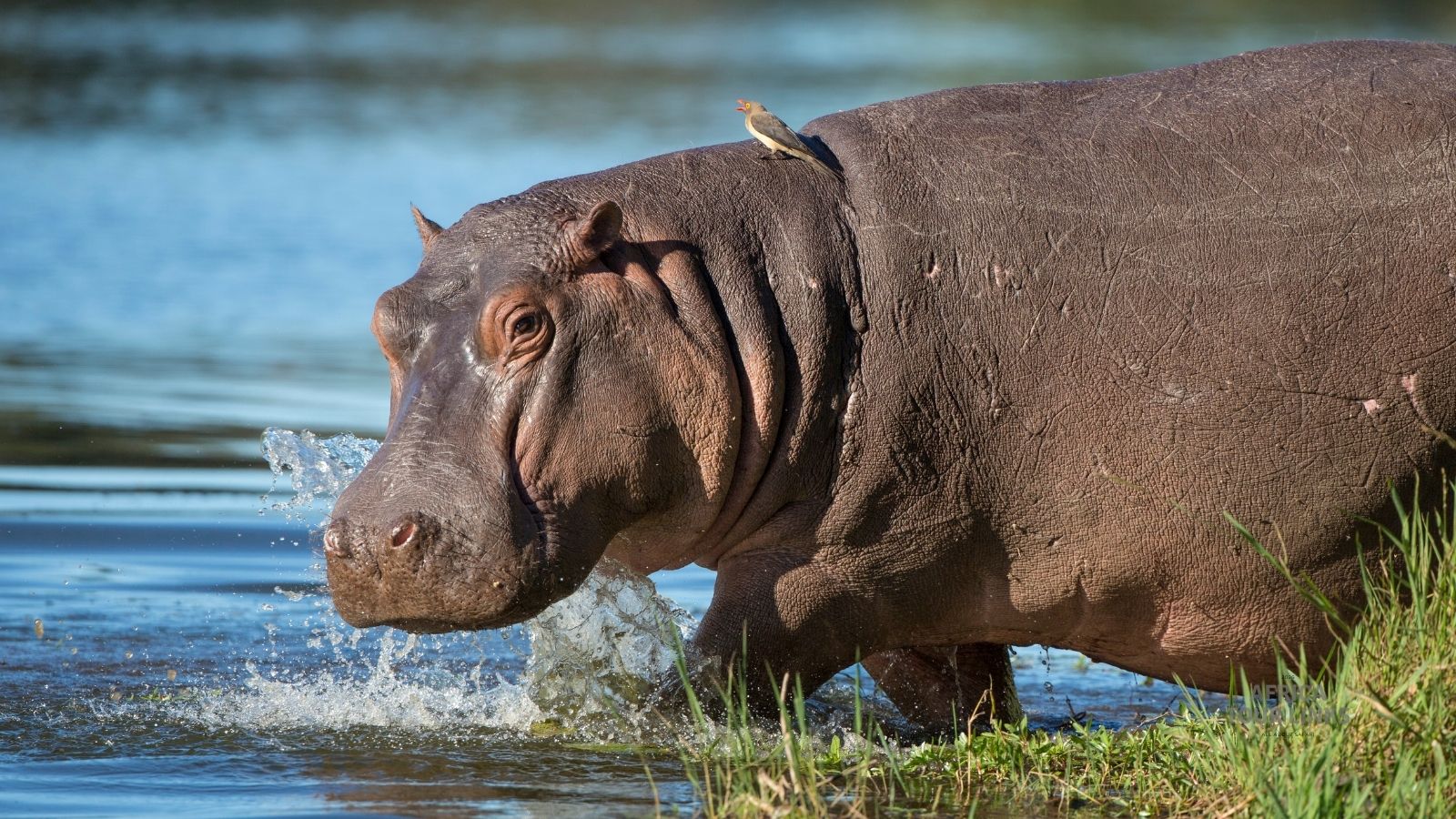
Hippos spend much of the day in water to keep cool and protect their skin from the sun. At night, they often leave rivers, lakes and wetlands to graze on land. This daily movement transfers nutrients between land and water and helps support aquatic ecosystems.
They are also a major indicator species. Healthy hippo populations often suggest functioning wetlands and water systems, especially in protected landscapes where wildlife still moves naturally.
Hippos are famous for their enormous mouths and dramatic displays, but they are also among Africa’s most respected animals because of their temperament. They may appear calm, yet they can move surprisingly fast and are known to defend space aggressively when threatened.
For safari travelers, this means respect, distance and proper guiding are essential.
Best places to see Hippo in Africa
Hippos live across many parts of sub-Saharan Africa, but some destinations are especially rewarding.
Tanzania
Tanzania is one of the great countries for hippo encounters. In Serengeti National Park, pools often hold large groups during dry periods. Ruaha National Park and Nyerere National Park are also excellent for river wildlife.
Zambia
Zambia is famous for river safaris, especially in South Luangwa National Park and along the Zambezi River.
Botswana
Botswana offers exceptional sightings in the Okavango Delta, where mokoro canoe trips can reveal hippos in stunning wetland scenery.
Uganda
Uganda is strong for water-based wildlife viewing, especially around Murchison Falls National Park and the Nile system.
Experiences and things to do
Seeing hippos is not only about ticking a species off a list. Their behavior can create unforgettable safari moments.
Boat safaris are often the best way to observe them. From a safe guided vessel, visitors may watch pods resting in the water, hear territorial grunts and see calves staying close to mothers.
Game drives near rivers and lakes can also be productive, particularly in early morning or late afternoon when hippos may be moving.

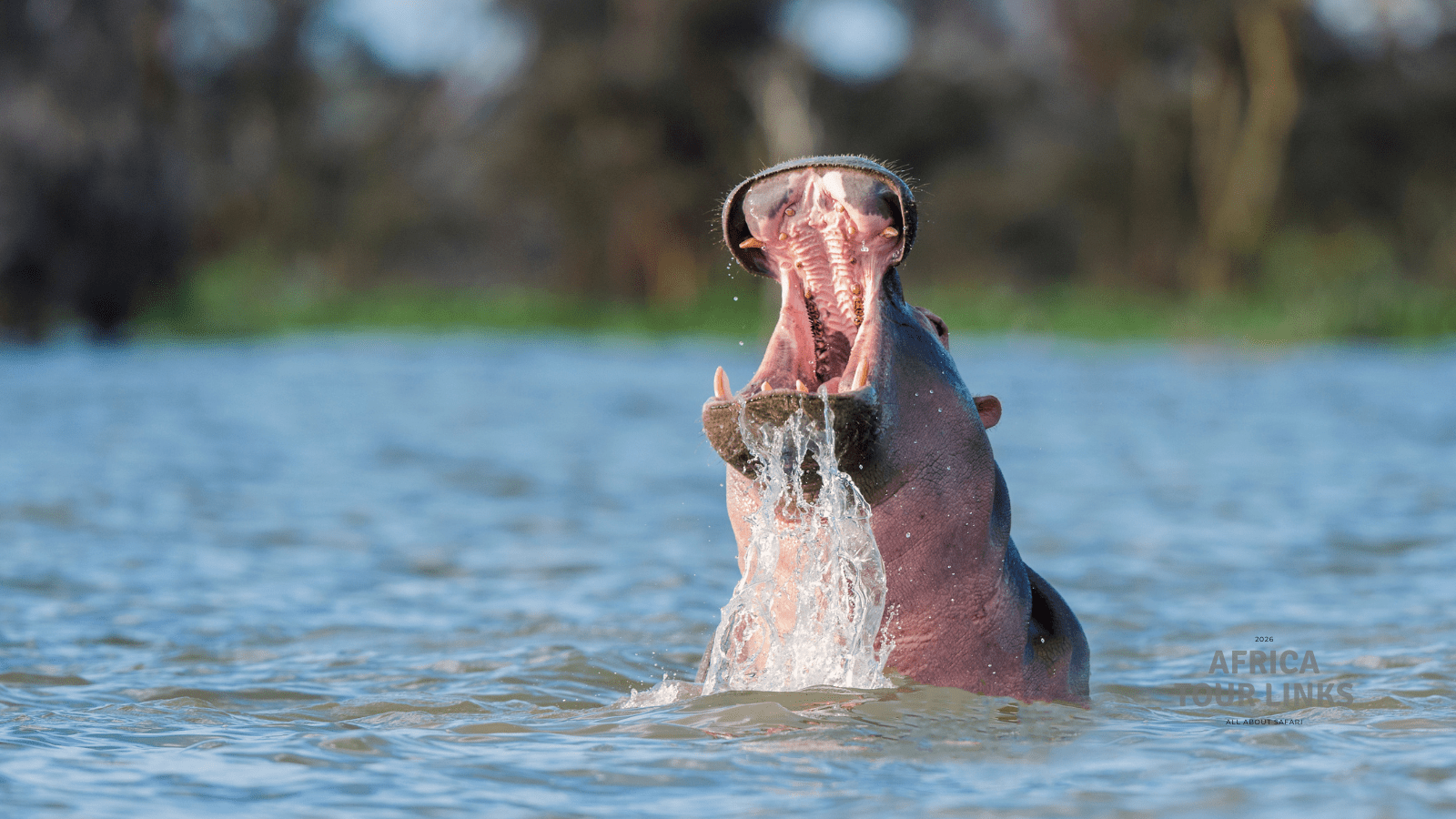
Photography lovers often enjoy the contrast between calm water reflections and the sudden explosive energy of a yawning bull hippo.
In some camps, nighttime sounds of hippos grazing nearby become part of the authentic wilderness atmosphere.
Best time to visit for hippos
Hippos can be seen year-round in many destinations, but conditions vary.
Dry seasons are often ideal because water sources shrink, concentrating animals into more visible areas. This can create classic scenes of multiple hippos packed into pools.
Green or rainy seasons may offer beautiful scenery, dramatic skies and excellent photography, though vegetation can be denser and animals more dispersed.
For many East African destinations, June to October is a strong safari season. In parts of southern Africa, dry winter months are also excellent.
Where to stay and practical travel info
Travelers wanting strong hippo experiences often choose lodges near permanent rivers, lakes or floodplains. Riverside camps can offer sightings directly from decks or dining areas.
Luxury safari lodges may combine river views, guided walks and boat excursions. Mid-range camps often provide excellent value in prime wildlife zones. Budget travelers can also find rewarding experiences through national park lodges and scheduled safari circuits.
Always listen carefully to guides. Hippos can be dangerous on foot and in narrow waterways if approached too closely. Never walk between a hippo and water, and never assume a still animal is relaxed.
Good binoculars, a camera with zoom lens and neutral clothing are useful additions for hippo-focused travel.

River giant facts worth knowing
The common hippopotamus is one of the world’s heaviest land mammals, with large males weighing several thousand kilograms. Their name comes from ancient Greek roots often translated as “river horse,” though they are not related to horses.
Hippos produce a reddish oily secretion sometimes described as “blood sweat,” but it is not blood. It helps protect skin from sun exposure and infection.
Their closest living relatives are whales and dolphins, which surprises many travelers. This evolutionary link reflects ancient shared ancestry rather than visible resemblance.
Hippo teeth, especially tusk-like canines, continue growing and are used mainly for fighting and display. A wide-open mouth is often a warning signal rather than a smile.
Young hippos can suckle underwater and learn river life from the safety of the group.
Final thoughts
The flodhest is one of Africa’s great wildlife contradictions: heavy yet agile, social yet dangerous, comic-looking yet deeply impressive. For safari visitors, hippos add drama, sound and atmosphere to wetlands and rivers across the continent.
Whether you encounter them in Tanzania, Botswana, Zambia or beyond, they are rarely forgotten. A sunset river filled with grunts, ripples and watchful eyes is pure Africa.
FAQ
Are hippos dangerous?
Yes. They are powerful wild animals and should always be viewed from a safe distance with professional guidance.
Can hippos swim?
They mostly move by pushing off river bottoms and gliding rather than swimming like many other mammals.
Where are hippos easiest to see?
Major safari destinations with rivers and lakes such as Tanzania, Botswana, Zambia and Uganda are strong choices.
Do hippos eat meat?
They are primarily herbivores and mainly graze on grass.
Hero image idea
A huge hippo emerging from golden sunset water in Tanzania, with mist, birds and glowing reflections.
Meta title
Hippo in Africa – Best Places to See Hippos on Safari
Meta description
Discover the Hippo in Africa. Learn where to see hippos, best safari destinations, travel seasons and wildlife tips for unforgettable encounters.