






Mosquitoes in Africa – what you should know about diseases before traveling
Mosquitoes in Africa
By Africa Tour Links
Africa offers safari adventures, tropical beaches, wildlife, culture, and some of the world’s greatest travel experiences. At the same time, mosquitoes are part of life in many regions, and travelers should understand that mosquito bites can involve more than simple irritation. Good preparation before departure makes travel safer, easier, and far more comfortable.
Many visitors think of mosquitoes mainly as something annoying that causes itching at night. In reality, mosquitoes in parts of Africa can transmit diseases. The level of risk depends greatly on where you travel, the season, your style of accommodation, and how long you stay.
Dry regions often have fewer mosquitoes than humid tropical areas, while coastal zones, rainy seasons, wetlands, and places with standing water usually have higher mosquito activity. A luxury safari lodge in a dry national park may therefore feel very different from a budget stay near the coast.
Malaria is the most important disease to understand
For most travelers, malaria is the key health issue to know about before visiting Africa. Malaria is transmitted by Anopheles mosquitoes, which typically bite from evening through the night and into early morning.
The illness often begins like flu, with fever, chills, headache, body pain, tiredness, or nausea. Because symptoms can start as something that feels minor, some travelers underestimate the danger. Malaria can become serious very quickly if not treated in time.
Large parts of Tanzania, Kenya, Uganda, Mozambique and many other African destinations have malaria risk, although certain cities, islands, and higher-altitude regions may have lower risk.
Why medical advice before travel matters
No two journeys are the same, which is why professional advice before departure is so valuable. A doctor or travel clinic can assess where you are going, how long you will stay, whether you are sleeping in lodges or backpacker accommodation, and whether you have any medical conditions that matter.
This is also where travelers learn whether malaria prevention tablets are recommended, and which vaccinations may be wise or required.
Many travelers to Africa are advised to use malaria prophylaxis. This means medicine taken before, during, and sometimes after the trip to reduce the risk of infection.

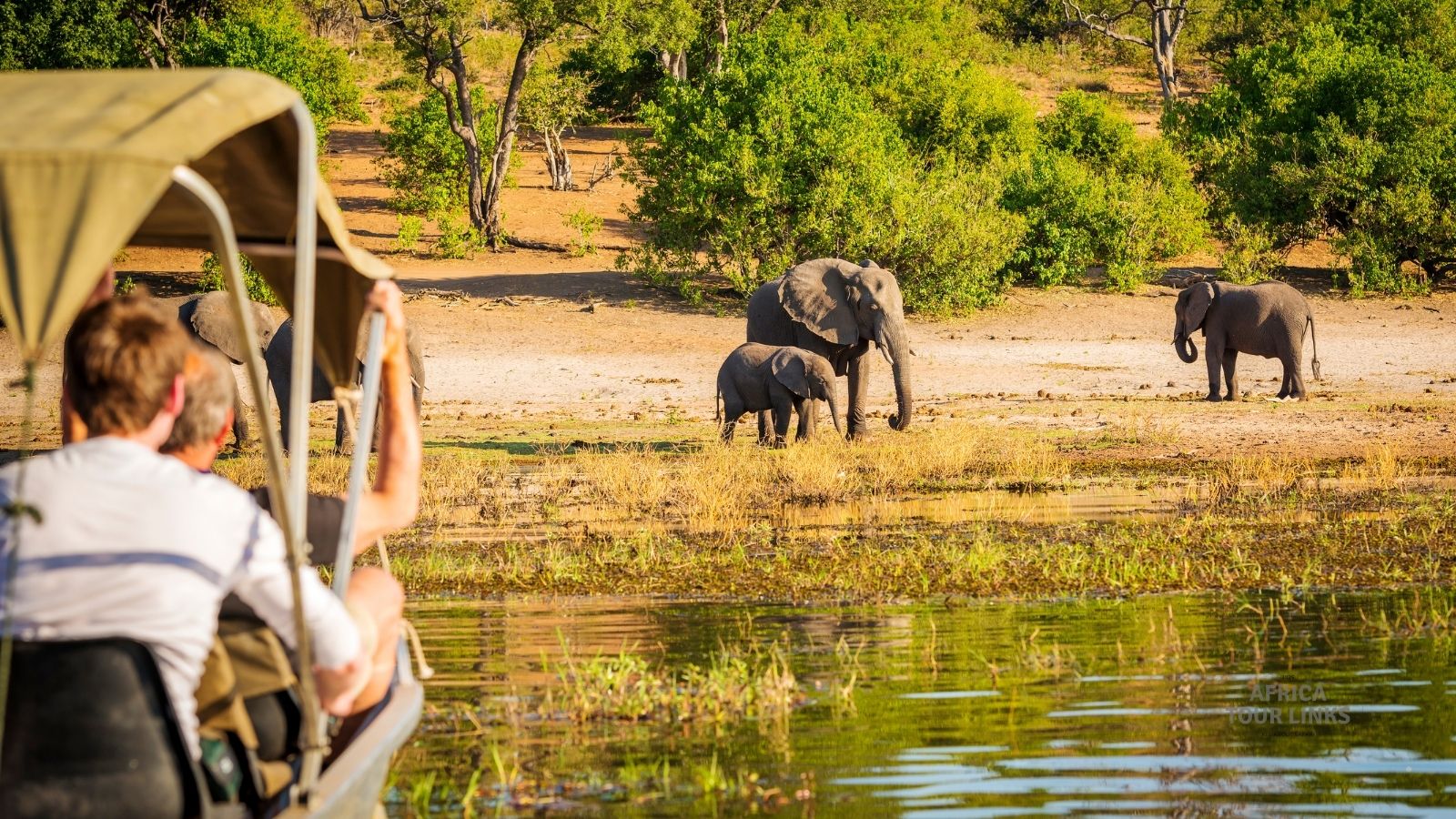
The exact type of medication depends on destination and personal health factors. What matters most is using it correctly. Some travelers make the mistake of stopping treatment too early or forgetting doses, which reduces protection.
Other mosquito-borne diseases also exist
Although malaria receives most attention, it is not the only disease spread by mosquitoes. In some regions, dengue fever occurs and may cause high fever and strong body pain. Yellow fever is present in selected countries, and proof of vaccination may sometimes be required for entry. Chikungunya can cause fever and painful joints, while Zika virus is especially relevant for pregnant women or couples planning pregnancy.
These diseases are not equally common everywhere, which is why destination-specific advice is important.
Travelers often focus only on tablets, but avoiding bites is equally important. Mosquito repellent with DEET or Icaridin is highly effective when used correctly. Long sleeves and lightweight trousers in the evening can make a real difference. Air conditioning, fans, screened windows, and mosquito nets all help reduce exposure while sleeping.
Many bites happen when people relax on a terrace at sunset without protection, exactly when mosquitoes become active.
Fever after travel should never be ignored
One of the most important rules of travel health is this: fever after visiting Africa should always be taken seriously. Even if you returned home weeks earlier, malaria can still appear later.
Anyone who develops fever after travel should seek medical help quickly and clearly explain where they have been.
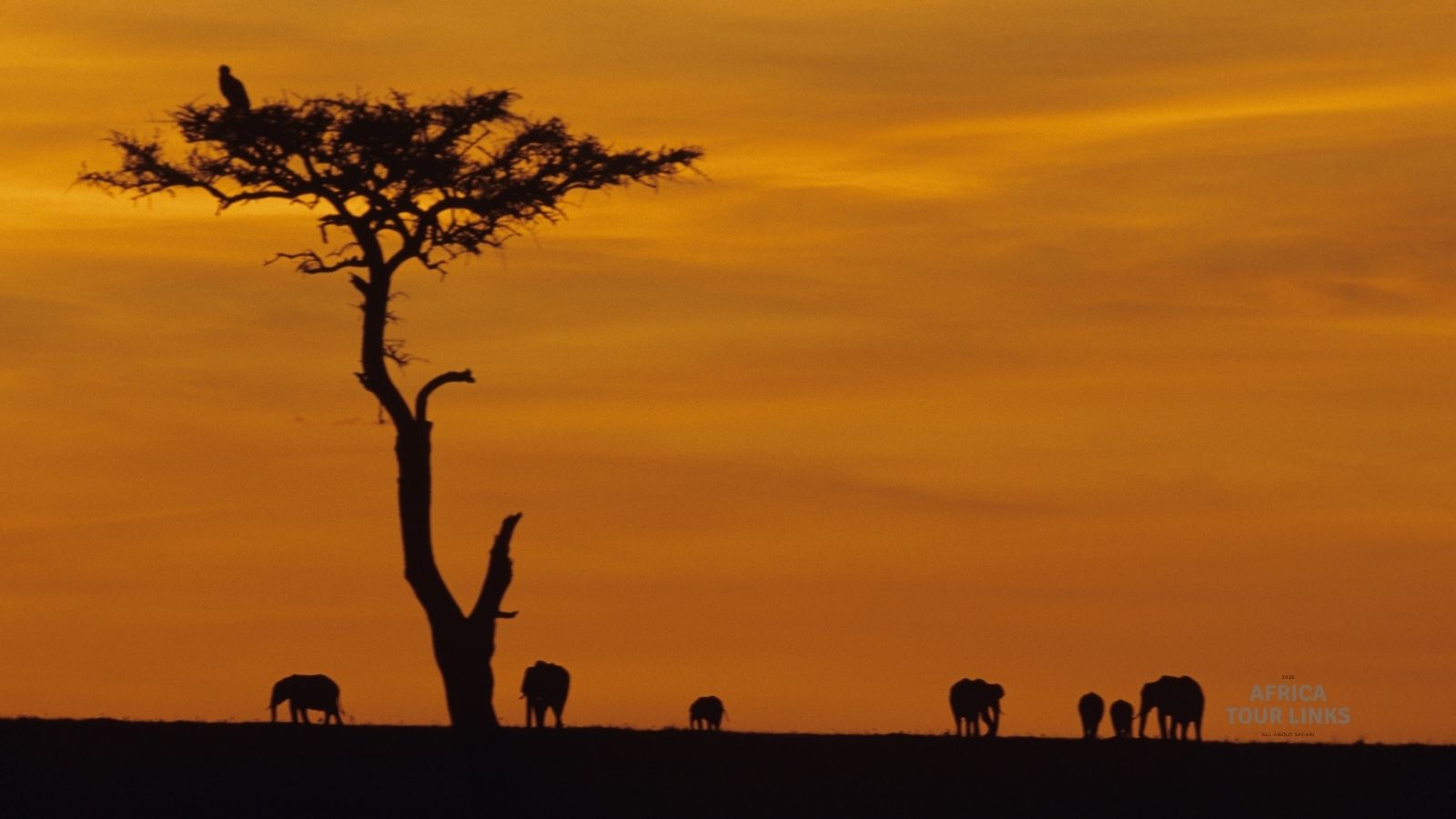
Africa remains one of the world’s great destinations
Mosquitoes are something to respect, not something to fear. Millions of people travel safely across Africa every year and return with unforgettable memories. The difference is often simple preparation, sensible precautions, and knowing what to do if symptoms appear.